
Will Cash Disappear in Iraq?
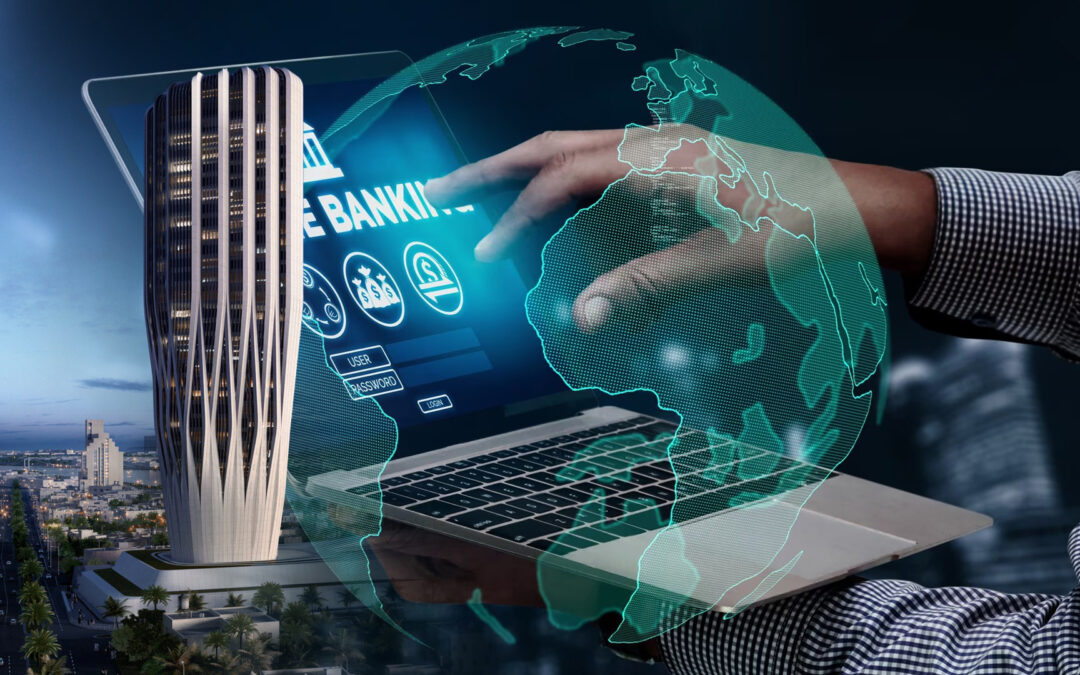
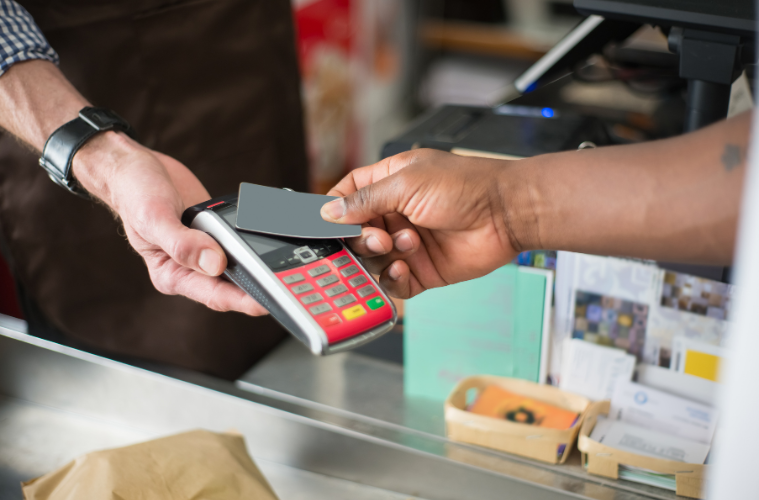
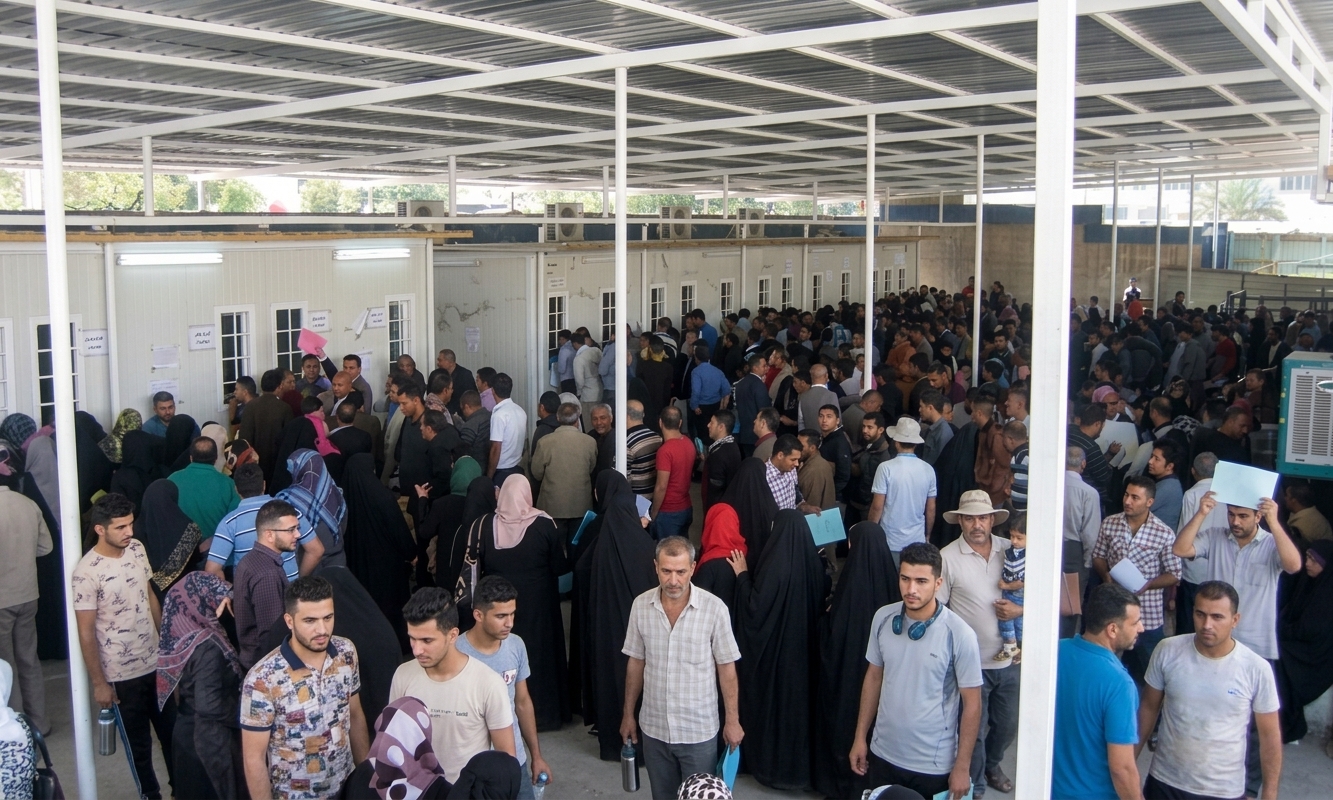
As digital payments expand, an important question arises: Will cash disappear in Iraq?
Latest updates, analysis, and insights from the world of Islamic finance and fintech.

As digital payments expand, an important question arises: Will cash disappear in Iraq?

As digital financial services expand, financial fraud is becoming more sophisticated. Fraud detection systems play a critical role in protecting users and financial institutions.

Blockchain technology is transforming the global financial system, offering new ways to improve security, transparency, and efficiency in banking operations.
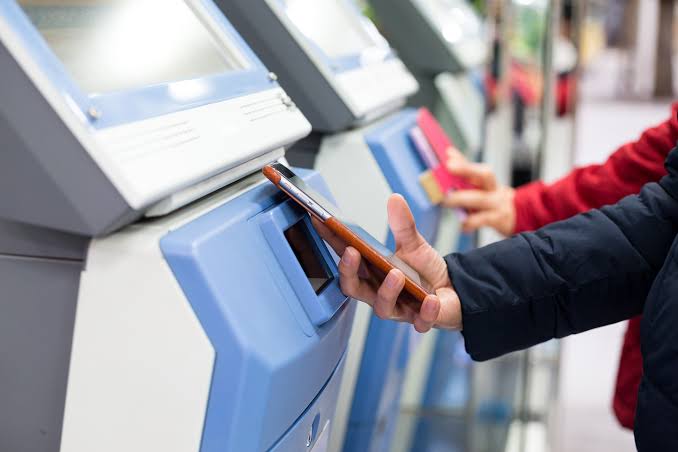
With the rise of digital payments in Iraq, many users are asking: Is digital payment safe?

Artificial intelligence (AI) is transforming the financial services industry by improving efficiency, reducing risks, and enhancing customer experiences.

Iraq is increasingly adopting digital payment solutions as part of its transition to a digital economy. This shift is driven by economic, technological, and regulatory factors.

Digital payment companies are among the fastest-growing sectors in fintech. Their success depends on more than just providing payment services—it requires building trust, innovation, and seamless user experience.

E-wallets are widely used for digital payments, but improper use can expose users to financial risks and security threats.

Digital payments are transforming financial transactions in Iraq. They offer speed, security, and convenience compared to traditional cash methods.

Fintech is rapidly transforming the Middle East, with Gulf countries leading the sector due to strong infrastructure and investments. Iraq, on the other hand, is emerging as a growing fintech market.

In today’s digital economy, digital payments are no longer optional—they are essential for business growth. Companies that adopt digital payment solutions can reach more customers, improve user experience, and increase revenue.

The global shift toward a cashless economy is accelerating, with digital payments replacing traditional cash transactions. In Iraq, this raises an important question: Is Iraq ready for a cashless economy?

E-wallets have become one of the most important tools in digital payments. As financial technology continues to expand in Iraq and globally, more people and businesses are relying on digital wallets for payments, transfers, and everyday transactions. But many users still ask: How do e-wallets work? Are they safe? What happens behind the scenes when a payment is made?

Digital consumer lending has become one of the fastest-growing sectors in financial technology. Fintech companies now offer loans through digital platforms and mobile applications without requiring customers to visit bank branches.

Iraq is rapidly moving toward a digital economy, with electronic payments becoming a key part of everyday financial transactions. Recent data shows that digital payment transactions in Iraq exceeded 15 trillion Iraqi dinars, supported by more than 10 million active bank cards, highlighting strong growth in digital financial services.

The fintech industry in Iraq has been expanding rapidly with the rise of digital payments, mobile wallets, and financial technology startups. Venture capital plays a crucial role in supporting innovation and enabling fintech startups to scale their operations.

The fintech industry in Iraq is expanding rapidly with the growth of digital payments, e-wallets, and online financial services. However, the success of these innovations depends heavily on digital security and cybersecurity in fintech.

The fintech sector in Iraq is growing rapidly as digital payments, online banking, and financial technology platforms expand. This growth has created new career opportunities, making fintech jobs in Iraq one of the fastest-growing employment sectors.

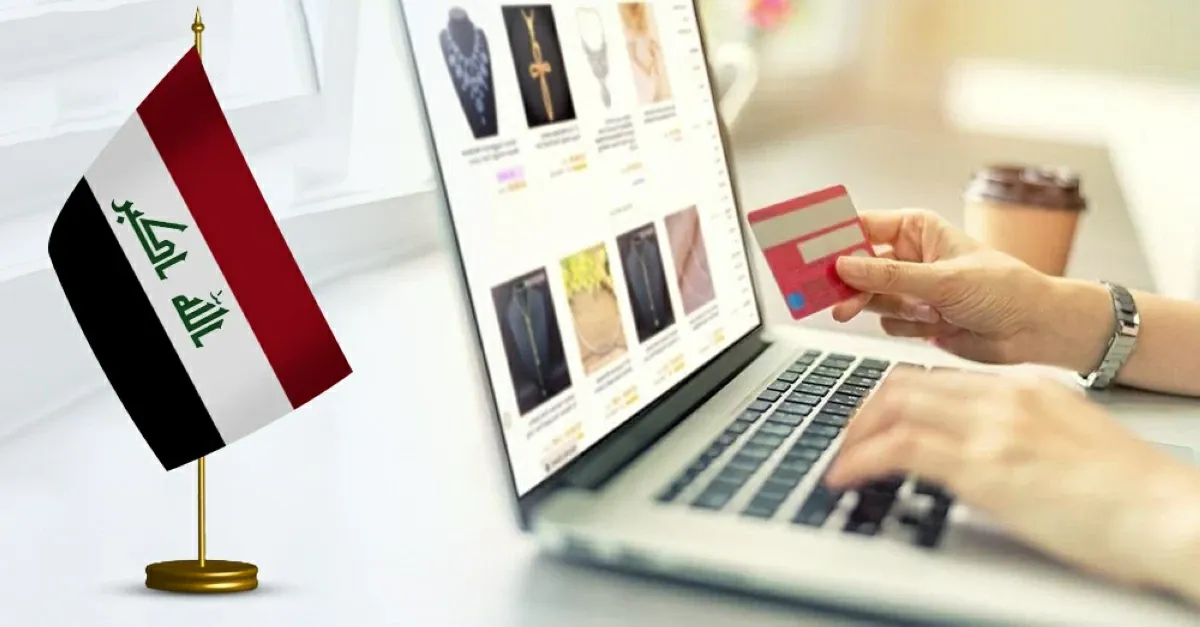
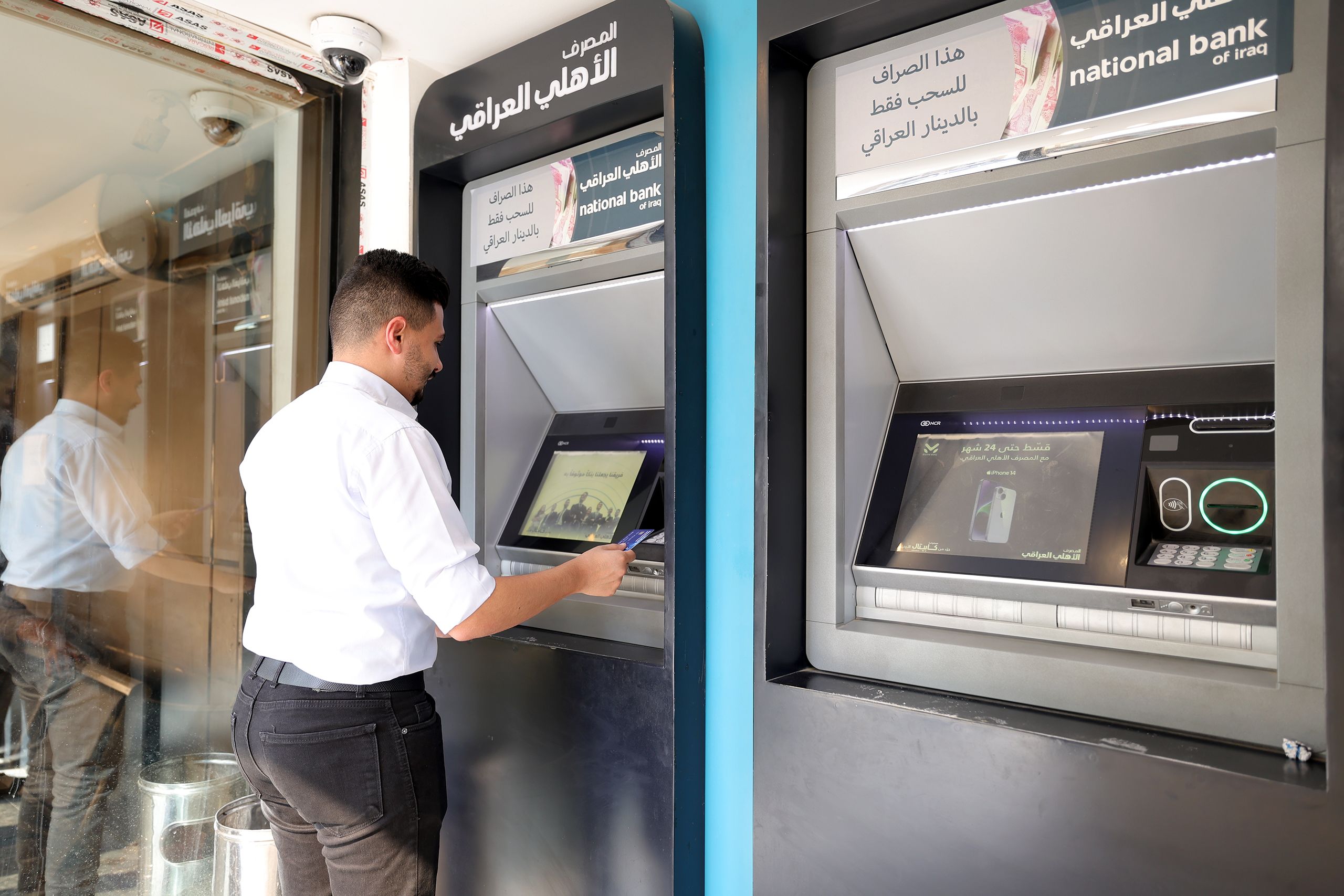
Electronic payments are becoming increasingly important in Iraq as the country moves toward a digital economy. Digital payment systems enable individuals and businesses to perform financial transactions quickly and securely without relying on cash.

Fintech has been expanding rapidly in Iraq, driven by the growth of digital payments, mobile wallets, and online financial services. Regulatory frameworks established by financial authorities play a critical role in shaping the fintech ecosystem.

Financial Technology, commonly known as Fintech, is transforming the global financial landscape. But what exactly is fintech?

Artificial Intelligence has become a driving force in modern finance. AI in business financing enhances decision-making, reduces risks, and improves operational efficiency.

The rise of fintech has reshaped the global financial landscape. In Iraq, integrating financial technology and education is becoming essential to prepare a workforce capable of leading the digital economy.

E-wallets in Iraq have experienced rapid growth as digital payments expand across the country. Digital wallets are becoming essential tools for transfers, bill payments, online shopping, and salary disbursement.

Fintech startups have become one of the most attractive sectors for venture capital investment. However, fintech startup funding involves significant regulatory, technological, and market risks.

The fintech sector in Iraq is expanding rapidly, but many fintech startups fail due to avoidable strategic and operational mistakes. Understanding these risks is essential before launching a fintech company in Iraq.

The debate about fintech vs traditional banks has intensified as digital transformation reshapes the financial industry. Understanding the differences is essential for businesses and consumers alike

The fintech industry in Iraq is rapidly expanding, creating significant opportunities for entrepreneurs. With the growth of digital payments in Iraq and the acceleration of digital banking transformation, launching a fintech startup has become a strategic investment move.

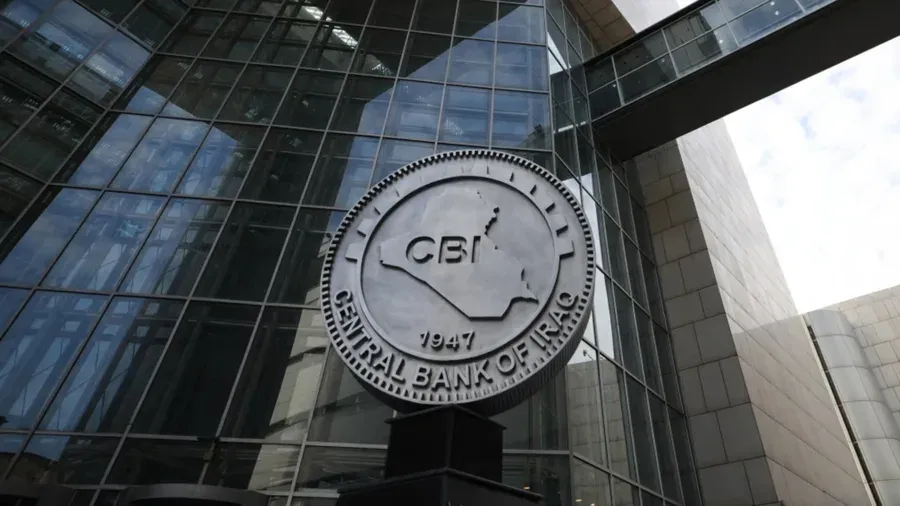
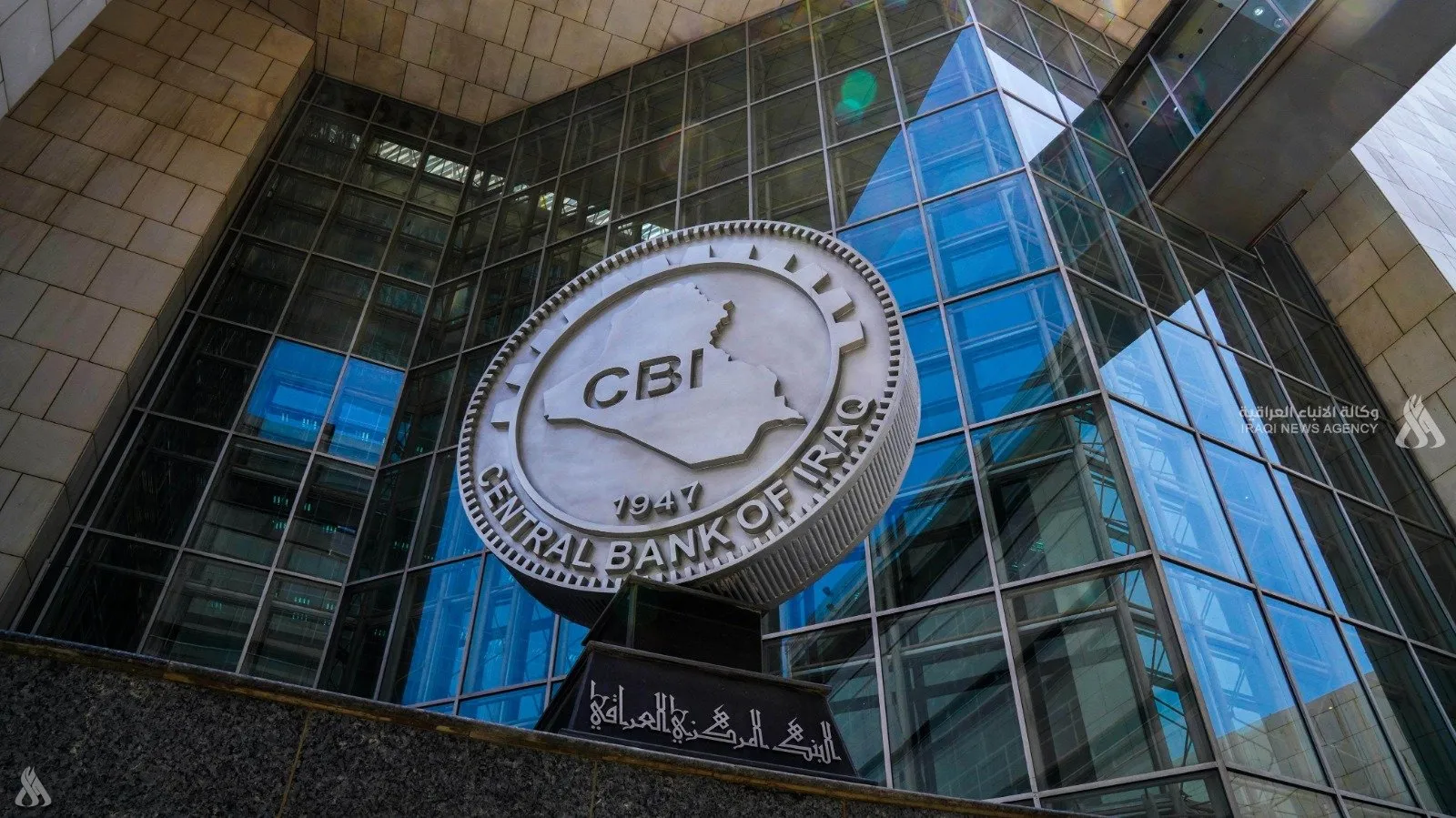
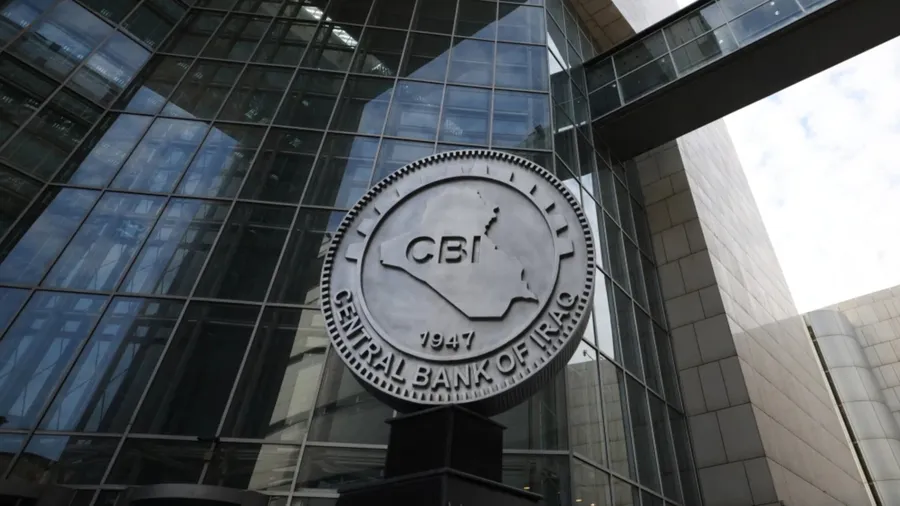
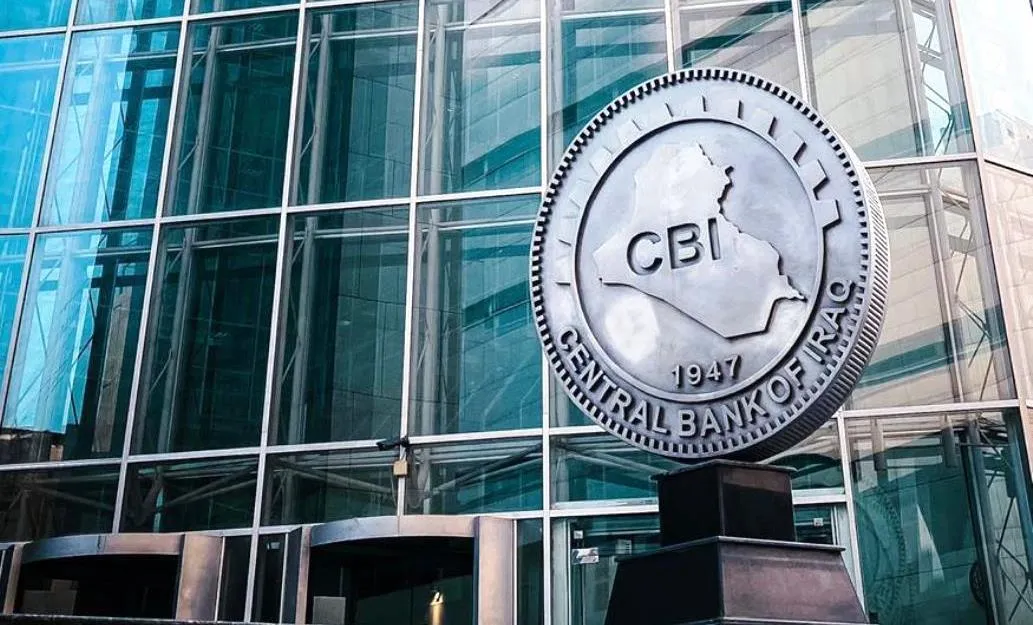
The digital banking transformation in Iraq is accelerating, driven by the expansion of digital payments in Iraq, fintech ecosystem growth, and regulatory modernization led by the Central Bank of Iraq. Iraqi banks are transitioning from traditional operational models toward integrated digital banking services.

Over the past few years, fintech in Iraq has experienced accelerated growth, driven by digital transformation, expanding digital payments in Iraq, and increasing regulatory support from the Central Bank of Iraq. As Iraq moves toward a digital economy, financial technology is becoming a key pillar in reshaping the country’s financial ecosystem. This comprehensive report explores the current state, growth drivers, challenges, and future outlook of the Iraq fintech market in 2026.
Companies face stiff penalties for mishandling user data under the new regulations.
Banks are investing heavily in defense systems as ransomware attacks become more sophisticated.
Gen Z is leading the charge against fast fashion by embracing second-hand clothing.
How generative AI tools are reshaping the landscape of digital art and design.
Officials promise a sustainable and technologically advanced event.
19-year-old sensation reaches the semi-finals, defeating two top-10 seeds along the way.
Venture capital investment in AI startups has doubled compared to the previous year.
Global energy markets remain volatile as geopolitical tensions impact shipping routes.
Major indices hit record highs today as investors react positively to the latest CPI report.
The bill aims to modernize the judicial system but has sparked nationwide debate.
Experts weigh in on the potential shifts in diplomatic relations following the recent polls.
World leaders have unanimously agreed to accelerate the transition to renewable energy sources by 2030.