

Commerce Expands the Use of Digital Payments Within Iraq’s Public Distribution Agent System
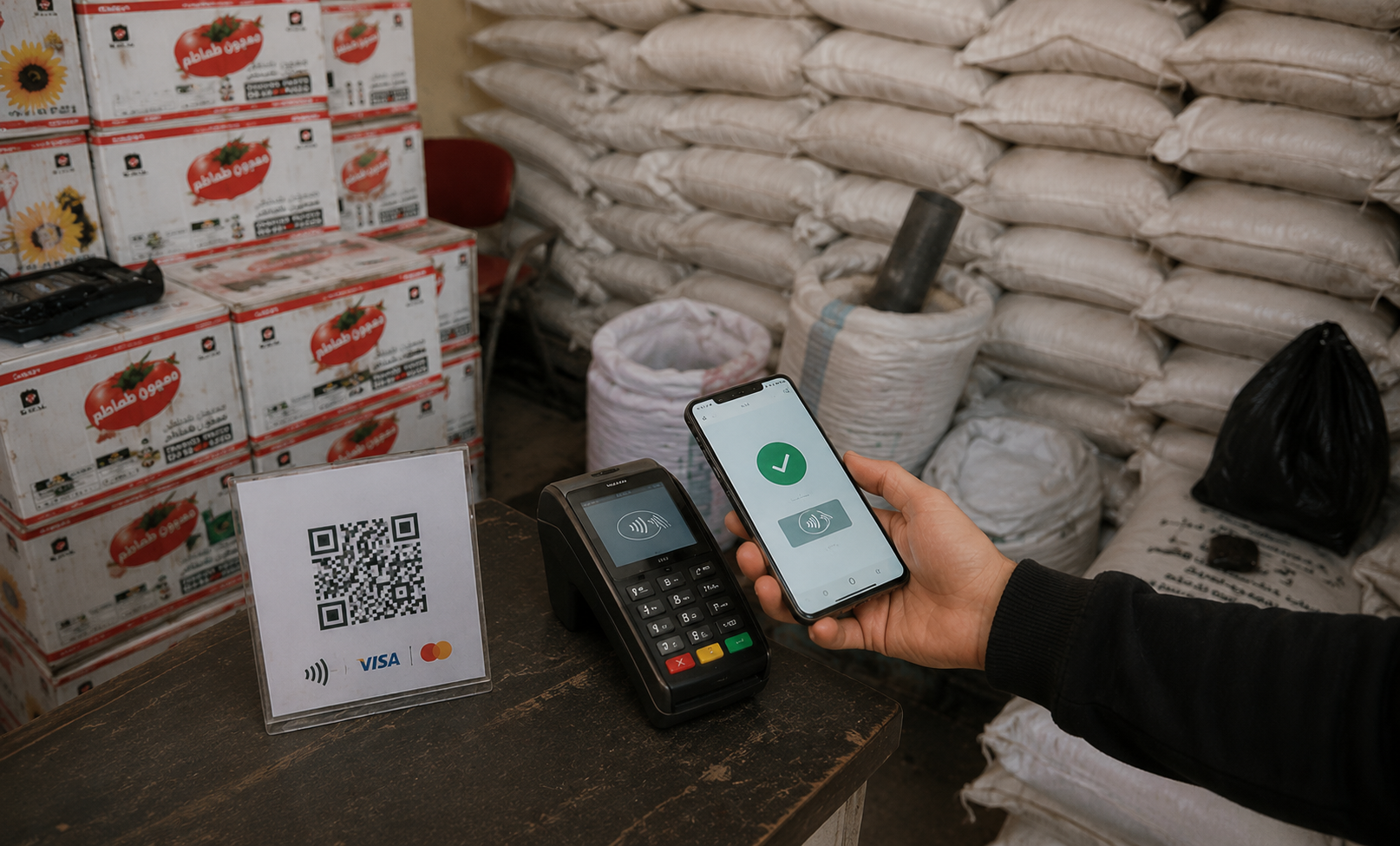
Some sectors linked to commercial and rationing services in Iraq are witnessing a growing shift toward integrating electronic payment tools into daily operations. This reflects the expansion of financial technology into areas that traditionally depended almost entirely on cash transactions
This direction comes as part of broader efforts aimed at strengthening digital transformation and reducing reliance on traditional payment methods, especially in sectors directly connected to citizens and essential services.
Introducing Digital Payments into the Public Distribution Agent Sector
In recent months, signs have emerged of efforts to expand the use of electronic payment systems within operations related to public distribution agents and daily commercial services.
This trend aims to:
- Simplify payment processes
- Reduce dependence on cash
- Speed up financial procedures
- Improve transaction organization
It also reflects an attempt to gradually connect essential services with digital systems.
A Step Toward Organizing Financial Operations
Specialists believe that integrating digital payment tools into this sector could help:
- Improve financial operations management
- Reduce errors associated with cash payments
- Simplify transaction tracking
- Enhance transparency in certain procedures
This is particularly important because the sector deals daily with large numbers of citizens.
Fintech Expands Beyond Traditional Sectors
What is happening in this field reflects the expansion of financial technology beyond the traditional framework of banks and digital wallets. Payment tools are now entering:
- Everyday commerce
- Rationing and supply services
- Citizen-facing daily activities
This signals a gradual transformation in the nature of financial services within the Iraqi market.
Challenges Facing Implementation
Despite the move toward digital expansion, several challenges still affect full implementation, including:
- Continued reliance on cash
- The need for stable infrastructure
- Uneven adoption of digital systems across regions
- The need to increase awareness about proper usage
These factors make the transformation gradual rather than immediate.
Potential Impact on the Market
If digital payment systems expand within this sector, it could lead to:
- Increased reliance on digital services
- Wider adoption of electronic payment tools
- Reduced cash usage in some daily operations
- Encouragement for other sectors to adopt digital systems
Conclusion
The move toward adopting electronic payment tools within Iraq’s public distribution agent sector reflects the growing expansion of financial technology into new areas closely tied to citizens’ daily lives.
Although this transformation is still in its gradual stages, it represents an important step toward integrating essential services with digital systems and supporting the transition toward a more fintech-driven economy