

Supply Chain Attack: Hackers Breach 178 Global Companies to Steal Credit Card Data and Crypto
Hackers exploited Optimizely to inject malicious code into the websites of 178 major global organizations—including HSBC, Ledger, and CNN—targeting visitors to steal cryptocurrency, credit card details, and compromise iOS devices.
Read Full AnalysisBehind the "Jum3h" App Interface: A Technical Gap and Outdated Operational Policies
Caught between glossy marketing promises—touting the ease of shopping with a single click—and a troubled technical reality, the "Jum'ah" app occupies a questionable "gray area." Despite the platform’s persistent efforts to carve out a space in a crowded e-commerce market, the actual user experience reveals a vast chasm between commercial ambition and the reality of its software and logistical readiness.
Praise for the Decision to Block Telegram in Iraq: A Regulatory Step to Protect National Security and Citizens' Data
Latest Fintech News
View All News →
The "Al-Saqi" App: Navigating the Weight of Institutional Legacy and the Challenges of Software Implementation in the Digital Payment Market
Amidst the race among fintech companies to reshape the banking landscape in Iraq—under the oversight of the Central Bank—the "Al-Saqi" app has emerged. Operated by Al-Saqi Electronic Payment Services, a company owned by the Al-Abbas Holy Shrine, the app benefits from significant institutional weight and a foundation of public trust. This provides it with a distinct head start over newer market entrants. However, this same reputation subjects it to a rigorous practical test: can it demonstrate the technical competitiveness and operational agility required in a market that is unforgiving toward sluggish applications.
Prepaid Card Usage Limit Outside Iraq Increased to $4,000 Per Month
The Central Bank of Iraq has announced new regulations that raise the monthly usage limit for prepaid cards outside Iraq to $4,000—or its equivalent—providing cardholders with greater flexibility for payments and cash withdrawals while traveling or shopping online.
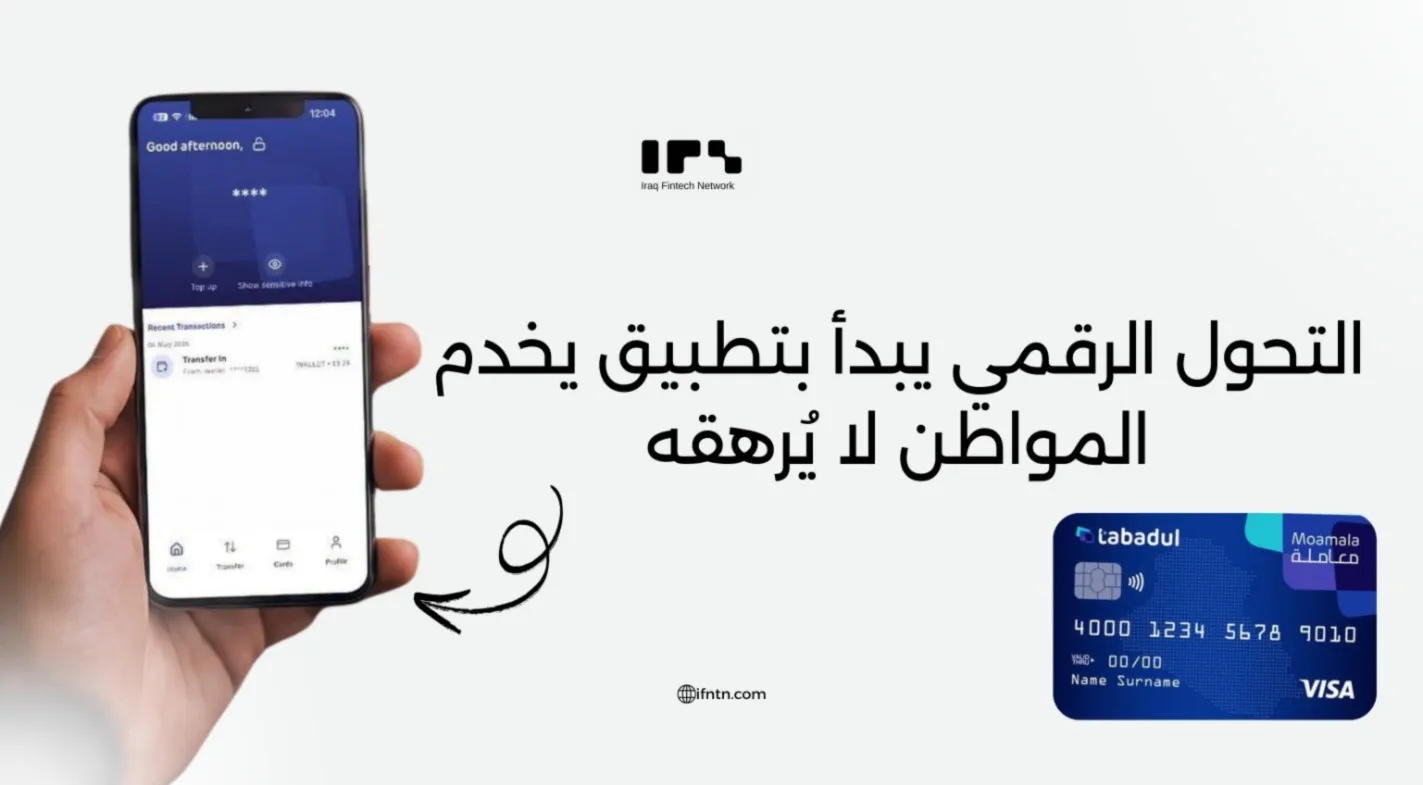
On top of the frustrations already caused by government offices, along comes the "Tabadul" (Exchange) application—is it meant to serve the citizen, or to burden them further!
The financial technology and financial inclusion sector in Iraq has undergone a radical transformation, driven by directives for comprehensive automation. The "Tabadul" application has emerged as a strategic, locally developed solution—endorsed by the Central Bank of Iraq—for issuing payment cards and processing digital transactions. Launched from Baghdad, the application consists of an integrated software suite spanning various specialized sub-platforms, designed to provide modern payment solutions for individuals, institutions, and startups alike.
Digital Shopping on Hold: How Did the "Tamata" Platform Become a Trap of Cancelled Orders?
The e-commerce market in Iraq has experienced rapid growth in recent years. The "Tamata" (Tomato) app emerged as a key local platform, aiming to provide a comprehensive shopping experience tailored specifically to the Iraqi consumer. Launched in 2019 with an ambitious vision, the app sought to create an all-encompassing platform—offering thousands of products alongside advanced services—which helped it secure a prominent position in the market. As its user base expanded, the experience of using the app revealed both distinct strengths and some startling operational challenges, typical of a nascent digital market like Iraq’s.
The "NEO" App: The Gamble on Virtual Visa Cards and the Price of a Digital Experience in Iraq
Electronic payment companies in Iraq are racing to capture a share of a banking market currently undergoing comprehensive restructuring under the supervision of the Central Bank. At the heart of this competition is the "NEO IRAQ" app—developed by the licensed International Network for Cards (INC) and a direct partner of the global Visa network. The app targets young people and freelancers who seek a financial experience that eliminates the need to visit bank branches. However, a key question remains: can it offer truly fundamental solutions for Iraqi users, or is it merely a new interface for traditional payment services.
The Central Bank of Iraq raises the "Merchant Card" limit to $100,000 per month to support merchants and industrialists.
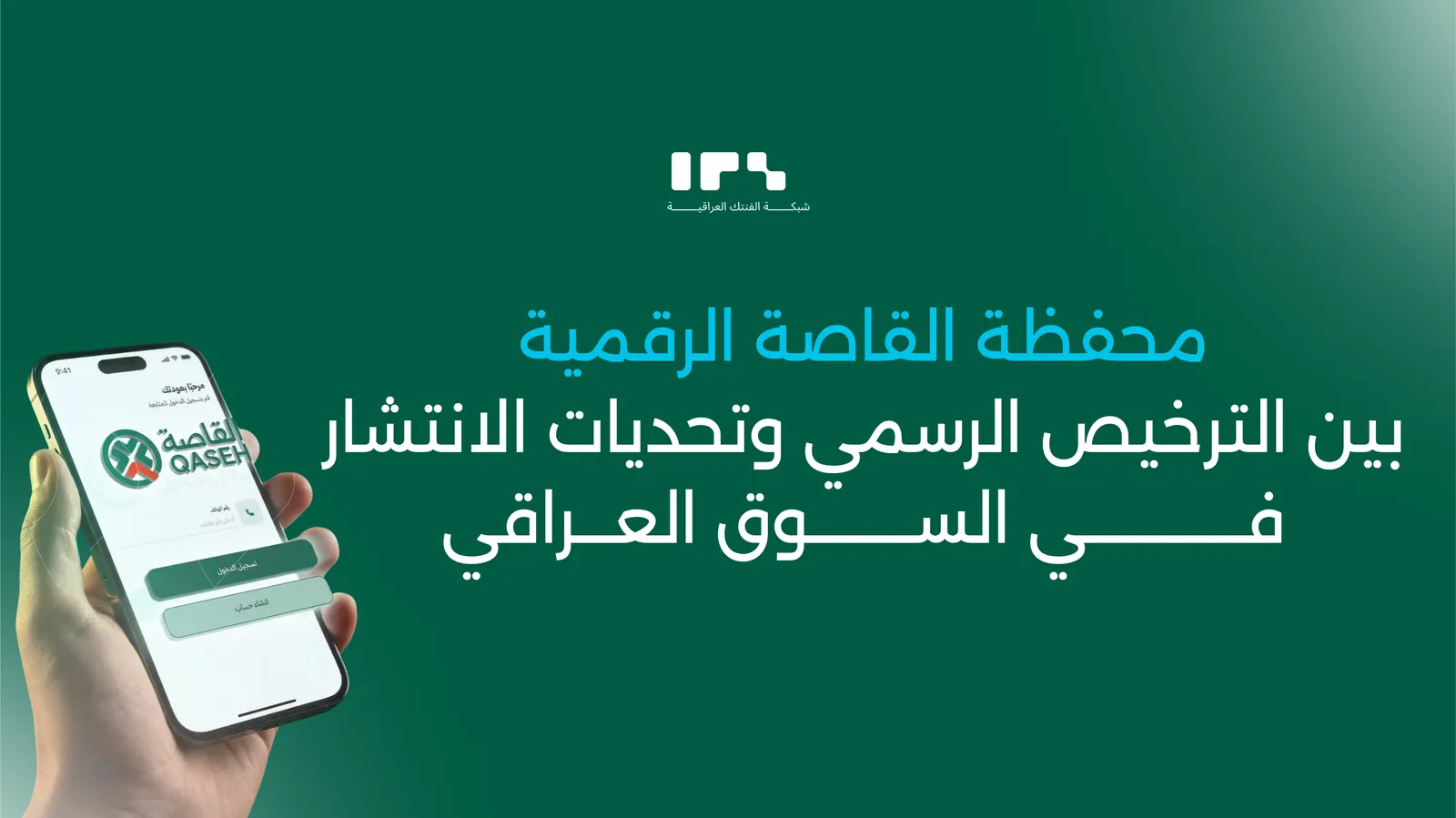
The "Al-Qaseh" Digital Wallet: An Analysis of Operational Performance and Expansion Challenges in the Iraqi Market
The electronic payment ecosystem in Iraq continues to attract new digital wallets and applications, all vying for a place within the financial inclusion framework championed by the Central Bank of Iraq. In this context, the "Al-Qaseh" wallet—operated by Al-Qaseh Financial Services and Electronic Payment—has emerged as an officially licensed digital wallet, offering financial solutions tailored to both individuals and businesses.
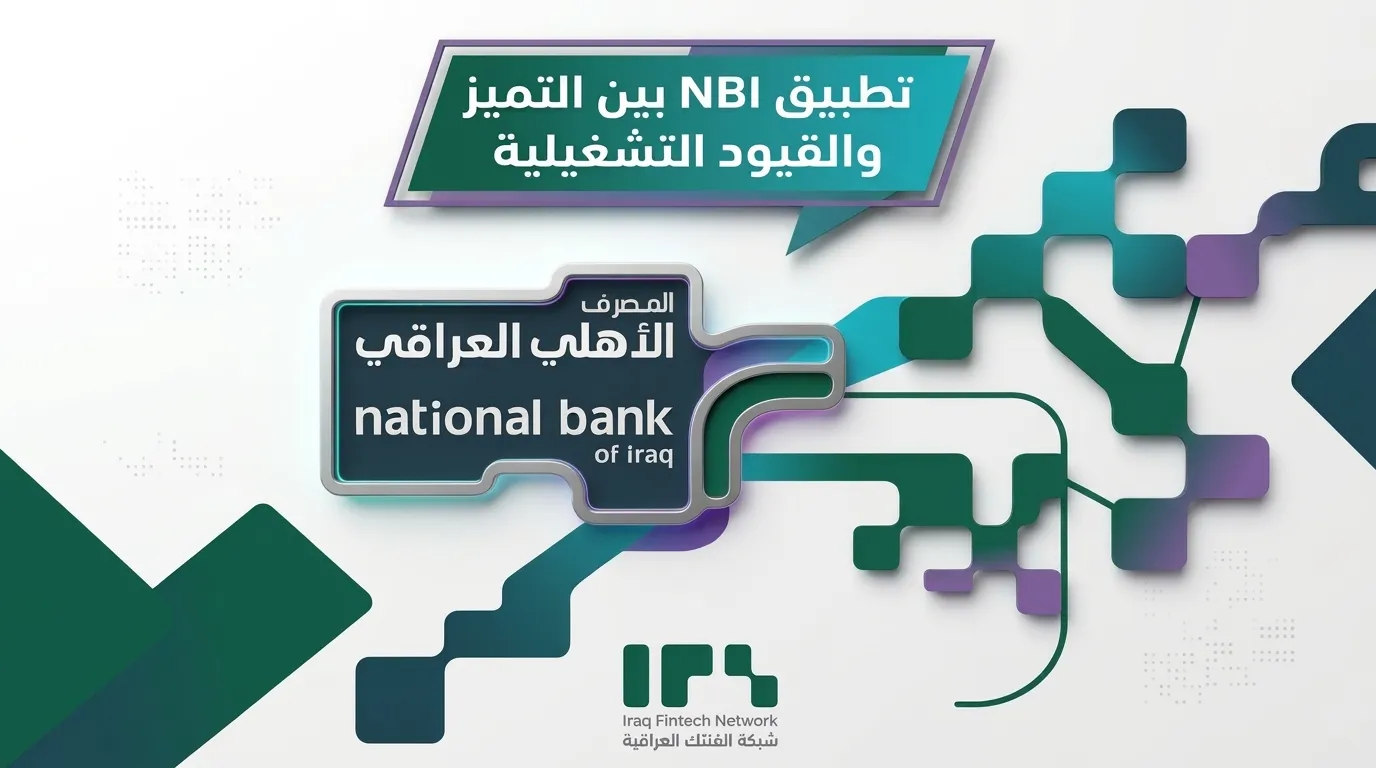
The National Bank of Iraq (NBI) App: Between Technical Excellence and Operational Hurdles—A Critical Look at the Bank’s Digital Experience
The financial landscape in Iraq is witnessing an accelerated shift toward digitalization, as private banks seek to redefine their relationships with customers long burdened by paper-based transactions and traditional bureaucracy. In this context, the National Bank of Iraq (NBI) app emerges as one of the most prominent digital solutions in the market. Yet, beyond the hype of advertising campaigns, has the app truly succeeded in providing a seamless and reliable banking experience that eliminates the need for branch visits—or does it still falter between technological ambition and the realities of operational constraints?
Opinions & Analysis
Deep dives into the Iraqi financial ecosystem.

Analysis
August 25, 2026FinTech in Iraq… A Step Toward a Future Beyond Keeping Money Under the Mattress
From government employees’ salaries to the small trader’s market stall, financial technology has entered the homes of Iraqis, even as many still count their money in cash and keep it tucked away under the mattress or in their pockets as a precaution against unexpected emergencies.
Read Full Analysis
Analysis
August 24, 2026SuperQi Leads Iraq’s Digital Wallet Market: More Than 21 Million Users Reinforce Qi Card’s Leadership in Electronic Payments
Iraq’s transition toward a digital economy is accelerating as the use of digital wallets and financial applications continues to expand. At the forefront of this transformation is SuperQi, the super app operated by Qi Card, which has emerged as one of the largest and most widely used digital payment and financial services platforms in the Iraqi market.
Read Full Analysis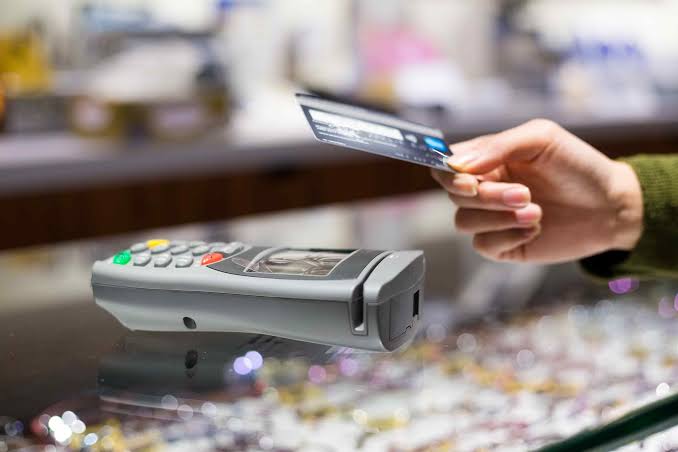
Analysis
August 14, 2026An Analysis of the Investment Environment for Fintech Startups in Iraq and the Factors Limiting Their Growth
While the Middle East and North Africa (MENA) region is witnessing significant growth in funding for fintech startups, Iraq still lags relatively behind in attracting this type of investment compared with regional markets such as Saudi Arabia, the UAE, Egypt, and Jordan.
Read Full Analysis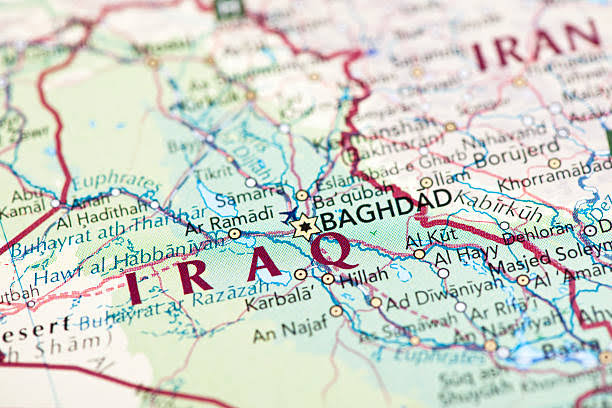
Analysis
August 9, 2026The State of FinTech in Iraq in 2026 — Between Promising Opportunities and Existing Challenges
Iraq’s FinTech sector has undergone a notable transformation in recent years. For decades, the Iraqi economy relied heavily on cash-based transactions. Today, digital payment companies and platforms are expanding across major cities, benefiting from the growing penetration of smartphones and 4G and 5G networks, alongside increasing support from the Central Bank of Iraq for financial inclusion initiatives.
Read Full AnalysisLatest Jobs
View All Jobs



Stay Ahead of the Market
Get the daily briefing that Iraq's top fintech executives read every morning.
No spam. Unsubscribe anytime.