
Rising Use of Digital Transfers Among Users in Iraq
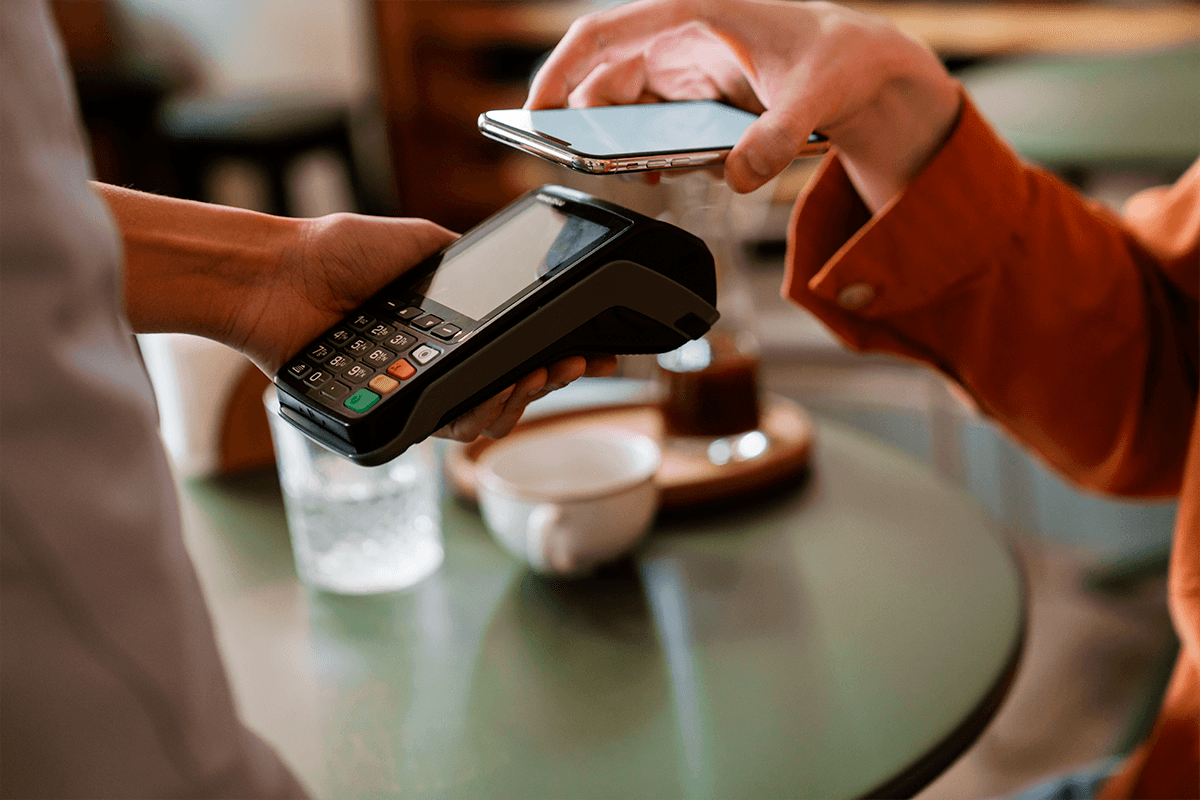
Iraq has recently witnessed a clear increase in the use of digital peer-to-peer transfers, driven by the continuous expansion of electronic payment services and the growing reliance on financial applications in daily life. This development reflects a gradual shift in user behavior toward digital methods instead of traditional ways of sending and receiving money.
Market indicators suggest that digital transfers have become a common choice among a wide segment of users, especially for everyday transactions such as sending money between individuals, settling obligations, or managing personal expenses. This is largely due to the speed and ease these services offer, allowing transactions to be completed within seconds without the need to visit branches or handle cash.
Experts believe that this growth is linked to several key factors, most notably the widespread use of smartphones, improvements in internet services, and the advancement of financial applications that now offer more user-friendly and intuitive experiences. These applications have also made financial services more accessible, particularly for individuals who were previously outside the traditional banking system.
On the other hand, digital transfers have contributed to changing how individuals manage their finances. Users can now monitor their transactions in real time and easily review transfer histories, which enhances financial awareness and encourages better expense management.
Small businesses have also increasingly relied on digital transfers in their daily operations, whether for receiving payments or settling dues. This reflects a gradual shift in the business environment toward digital solutions, particularly in sectors that value speed and ease of transactions.
At the same time, relevant authorities are working to improve the infrastructure of digital services and strengthen the security of electronic transactions by adopting modern technologies aimed at protecting data and reducing fraud risks. This, in turn, enhances user trust and encourages wider adoption of these services.
As this expansion continues, digital transfers are expected to grow even further in the coming period, supported by rising awareness of financial technology and ongoing service improvements—pointing toward a faster, more flexible financial system increasingly powered by digital solutions.