

Beyond the Residence Card: Interior Ministry Denies Cancellation—What Is the Link Between Document Digitization and Digital Financial Identity in Iraq?
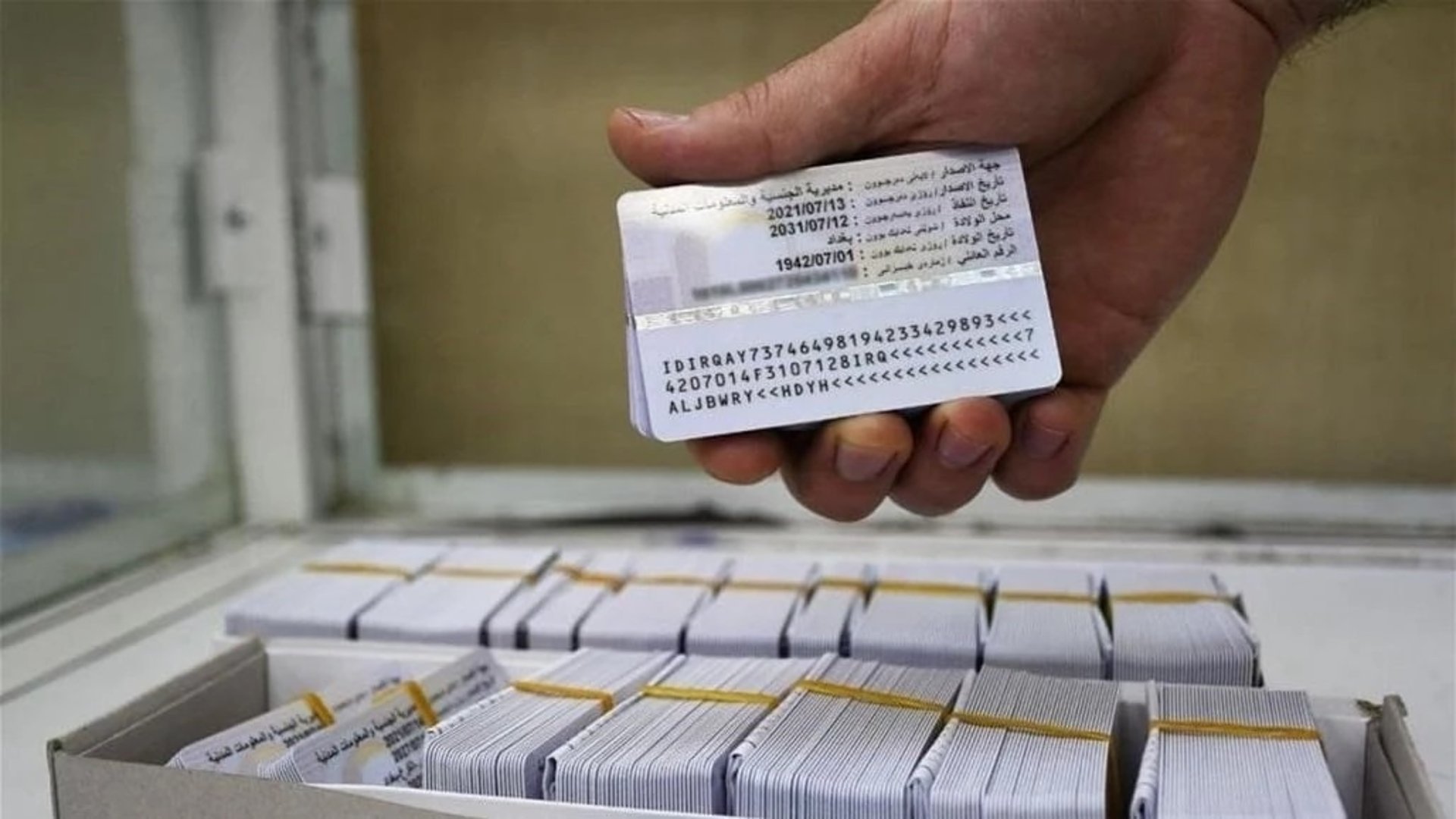
On April 23, 2026, the Ministry of Interior Iraq issued an official statement denying circulating reports about the cancellation of the residence card “at the present time.” While this clarification puts an end to speculation surrounding the fate of this essential document, it simultaneously highlights a broader national shift toward document digitization and the development of a digital financial identity—both key pillars for the future of Iraqi fintech and e-government services.
Official Denial, Digital Direction: Why the Residence Card Remains in Use
The Ministry of Interior Iraq confirmed that the residence card remains valid and continues to be used across all government institutions. However, the ministry is proceeding with plans to gradually phase it out as part of a wider transition to digital systems and reliance on official data stored within the civil registry.
This indicates that cancellation is not immediate but rather a phased process aligned with the completion of digital infrastructure and the unification of national databases. The approach reflects the Iraqi government’s commitment to simplifying procedures and reducing bureaucracy by moving from paper-based documentation to digital systems that enable faster and more accurate identity verification.
Digital Financial Identity: How Your Official Data Becomes Your Gateway to Banking Services
Document digitization—particularly through the unified national ID—is a cornerstone in building a digital financial identity. By linking official data stored in the civil registry with government digital systems, it becomes possible to verify citizens’ identities electronically (e-KYC).
This digital verification unlocks significant opportunities for financial services, enabling citizens to:
- Open bank accounts online: Without visiting branches or submitting multiple paper documents.
- Access digital loans and financing: Based on verified digital identities and financial records.
- Conduct online financial transactions: With enhanced security and reduced fraud risks.
This transformation strengthens financial inclusion by making modern banking services accessible to broader segments of society—especially in remote areas or among individuals who face challenges with traditional procedures.
A Unified Digital Identity: Paving the Way for Fintech and E-Government
Iraq’s vision extends beyond digitizing documents to establishing a comprehensive digital identity system that serves as a single gateway to all government and financial services. This unified identity—now officially activated as a substitute for traditional identification—will enable Iraqi fintech companies to deliver services with unprecedented speed and security.
When identity and residency verification can be completed instantly through centralized databases, fintech providers can focus on innovation and the delivery of advanced financial solutions.
At the same time, this shift lays the foundation for fully developed e-government services. Citizens will be able to complete transactions—such as bill payments or license renewals—online using their unified digital identity, reducing the need for in-person visits and saving time and effort for both individuals and the state.
From Paper to Cloud: The Future of Transactions in Iraq by the End of 2026
By the end of 2026, as digital transformation strategies continue to be implemented, Iraq is expected to witness a fundamental shift in how everyday transactions are conducted. Instead of relying on multiple physical documents, digital identity will become the foundation for all interactions. This transition will make services more efficient, secure, and transparent—supporting the growth of a robust and sustainable digital economy.
Conclusion: Document Digitization as the Gateway to Iraq’s Digital Future
The Interior Ministry’s denial of the immediate cancellation of the residence card does not contradict Iraq’s broader vision for document digitization. Rather, it underscores a deliberate and phased approach. Building a digital financial identity and a unified digital identity system requires time and coordinated effort, but it is a critical investment in Iraq’s future.
These steps pave the way for a thriving fintech ecosystem, advanced e-government services, and a secure, efficient digital economy in Iraq.