

How Smart Applications Are Changing Financial Habits in Iraq
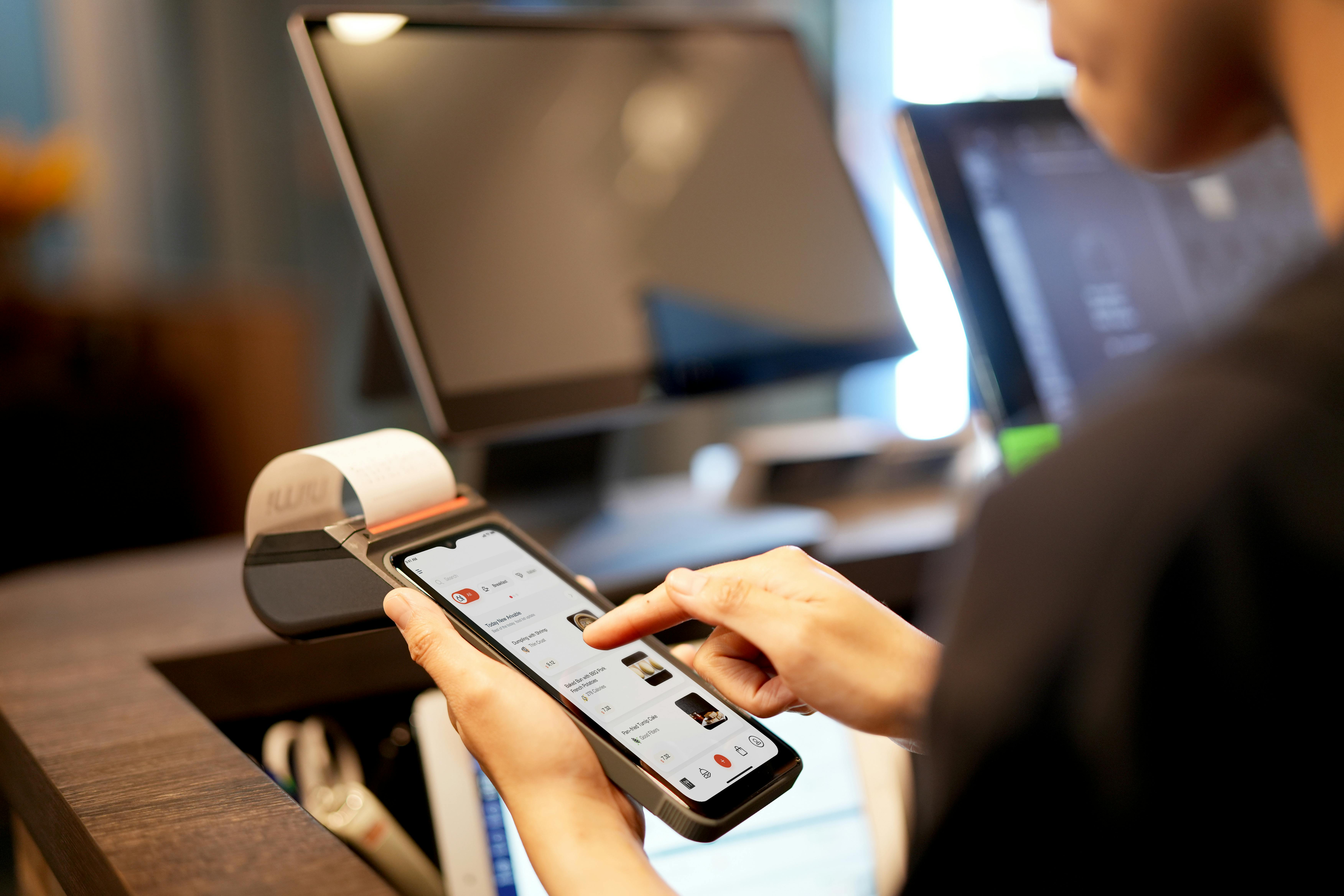
Financial behavior in Iraq is no longer what it used to be a few years ago. Daily money-related habits have gradually evolved with the spread of smart applications and digital services. This transformation goes beyond payment methods—it now influences financial thinking, expense management, and economic decision-making. Today, financial technology is no longer an optional tool; it has become a key factor shaping the financial behavior of Iraqi users.
From Cash to Mobile: The Beginning of Transformation
For many years, financial transactions in Iraq relied almost entirely on cash. However, with the widespread adoption of smartphones and financial apps, this pattern has started to shift.
Today, mobile phones are used for:
● Payments
● Money transfers
● Balance tracking
● Even expense management
This shift marks the beginning of a transition from a traditional cash-based economy to a more flexible digital financial behavior.
How Spending Habits Have Changed
1. Increased Awareness of Expenses
Financial applications provide continuous transaction records, making users more aware of their daily spending details—something that was not easily accessible when relying on cash.
2. Reduced Impulsive Spending
When users can clearly see every payment they make, they tend to reconsider their financial decisions, leading to a reduction in unnecessary expenses.
3. Ease of Payment and Its Dual Impact
While the convenience of app-based payments may encourage faster spending, it also offers control tools such as alerts and budget limits, helping users maintain financial discipline.
A New Concept of “Money Management”
In the past, managing money meant holding cash and dividing it manually. Today, it relies on digital tools that offer:
● Instant spending reports
● Categorization of expenses (food, transportation, services, etc.)
● Alerts when exceeding set limits
This evolution has shifted users from traditional methods to data-driven financial management.
The Impact on Youth Behavior
Young people in Iraq are the most influenced by smart applications. They:
● Prefer digital payments over cash
● Rely on apps in their daily lives
● Quickly adopt new financial services
This makes them the main driver behind the growth of financial technology in Iraq.
Trust: The Decisive Factor in Change
Despite this transformation, trust remains a crucial element in changing financial habits. The more users trust the security and usability of applications, the more they rely on them.
Key factors that build trust include:
● Security
● Speed of service
● Transparency
● Customer support
Challenges Affecting This Transformation
Despite noticeable progress, several factors still slow down the adoption of digital financial habits:
● Cultural reliance on cash
● Limited financial literacy among some users
● Variations in internet quality
● Security concerns
Where Is Financial Behavior in Iraq Heading?
Current indicators suggest that financial habits will continue to evolve gradually. The future may see:
● Greater reliance on apps for daily transactions
● Reduced use of cash
● Increased digital financial awareness
● Expansion in the use of smart financial services
Conclusion
The spread of smart applications has not only changed how payments are made in Iraq but has also gradually reshaped the financial habits of society.
As this transformation continues, Iraqi users will become more aware and increasingly reliant on digital tools to manage their finances—paving the way for a more advanced and stable digital economy.