

Despite Contraction Forecasts: Iraqi Fintech Gears Up to Tackle 2026 Challenges as a Strategic Cost-Reduction Solution
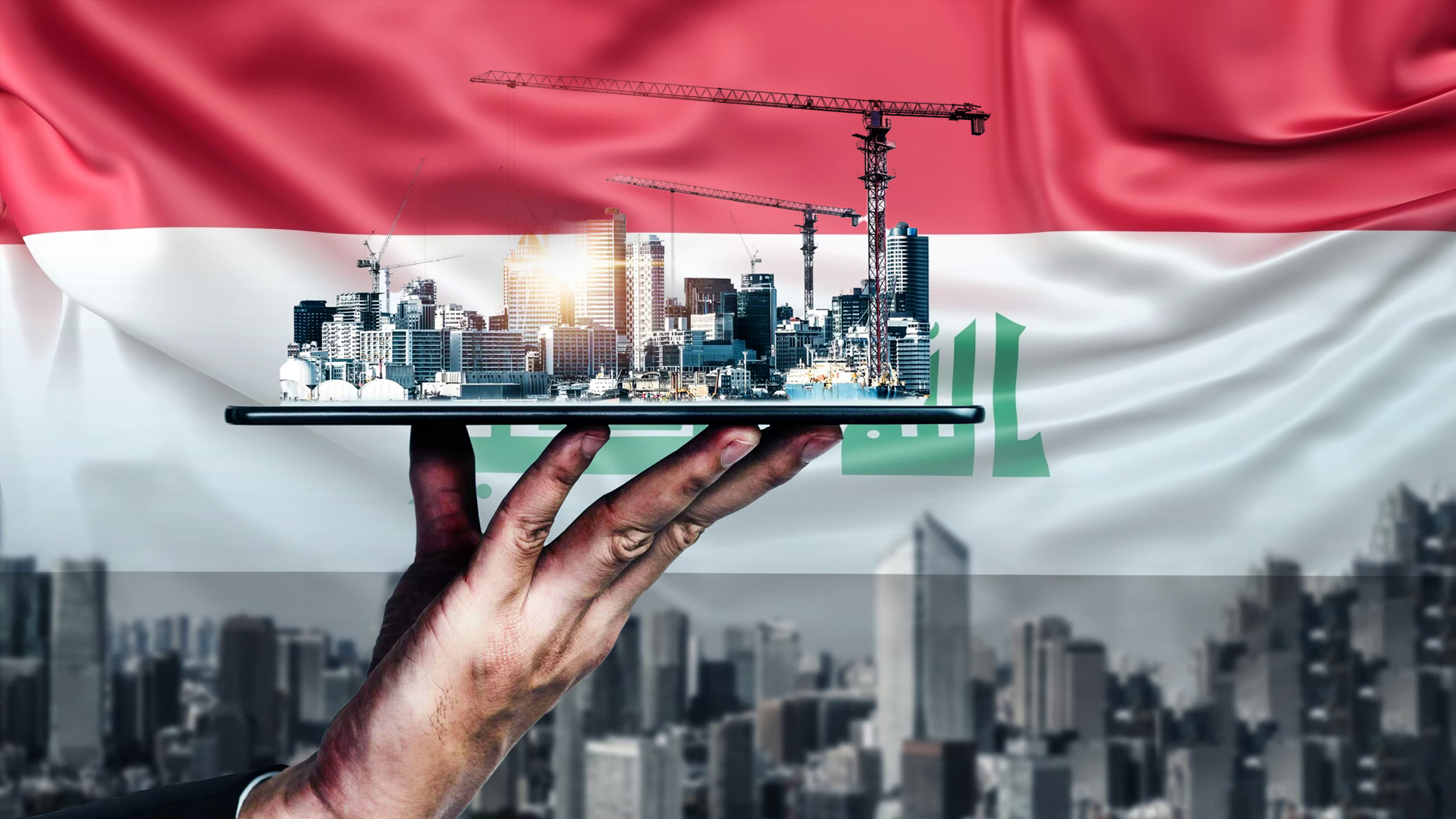
On April 17, 2026, the International Monetary Fund (IMF) released an economic outlook that may appear concerning at first glance, projecting a 6.8% contraction in Iraq’s GDP for the year. This forecast, driven by disruptions in the oil sector and ongoing regional dynamics, presents significant challenges for the Iraqi economy. However, Iraq’s fintech sector is emerging as a strategic solution and an economic buffer capable of addressing these challenges by delivering innovative, cost-efficient solutions.
IMF Report Brings Fintech to the Forefront: Can Digital Transformation Become Iraq’s Economic Shield?
Economic crises have historically acted as catalysts for innovation. In Iraq’s case, digital transformation—particularly within financial technology—is poised to become a cornerstone in mitigating the anticipated downturn. Amid the urgent need to rationalize spending and boost non-oil revenues, fintech solutions offer unprecedented opportunities to reduce operational costs across both public and private sectors.
Electronic payment services, digital banking, and innovative financial platforms contribute to:
- Reducing financial leakage: Through automation of financial processes and minimizing reliance on cash transactions, which are often vulnerable to risk and corruption.
- Enhancing transparency: By providing accurate transaction records, strengthening oversight, and limiting illicit practices.
- Improving operational efficiency: By accelerating transaction speeds and expanding access to financial services, saving time and effort for individuals and businesses alike.
Operational Efficiency: How Fintech Cuts Costs in Times of Contraction
In a contracting economic environment, operational efficiency becomes critical. Here, Iraqi fintech offers transformative solutions. For example, electronic payment companies can significantly reduce the costs of cash collection and fund transfers compared to traditional methods. Likewise, digital banks—operating with lower overhead—can provide competitively priced financial services, benefiting consumers as well as small and medium-sized enterprises (SMEs).
Fintech startups are also positioning themselves to deliver innovative solutions in areas such as microfinance, expense management, and mobile payments—tools that enable both businesses and individuals to manage financial resources more effectively during challenging periods.
The Central Bank’s Role in Supporting Digital Sector Stability Amid Crises
The Central Bank of Iraq plays a pivotal role in supporting the stability and growth of the fintech sector, even amid economic headwinds. By establishing appropriate regulatory frameworks, fostering innovation, and ensuring a secure investment environment, the Bank is positioning the digital economy as an integral component of Iraq’s crisis-response strategy.
The Central Bank’s commitment to the “Digital Iraq Roadmap 2025–2029,” which aims to achieve zero cash transactions within government institutions by mid-2026, underscores that financial inclusion and digital financial infrastructure are no longer optional—they are economic imperatives.
Conclusion: Digital Innovation as a Driving Force
Despite the contraction forecasts outlined by the IMF, Iraqi fintech holds the potential to act as a powerful driver of economic resilience and growth. By embracing digital transformation, Iraq can turn challenges into opportunities and build a more efficient, inclusive, and sustainable economy.