

Technology
Behind the "Jum3h" App Interface: A Technical Gap and Outdated Operational Policies
Caught between glossy marketing promises—touting the ease of shopping with a single click—and a troubled technical reality, the "Jum'ah" app occupies a questionable "gray area." Despite the platform’s persistent efforts to carve out a space in a crowded e-commerce market, the actual user experience reveals a vast chasm between commercial ambition and the reality of its software and logistical readiness.
Read More
Digital Shopping on Hold: How Did the "Tamata" Platform Become a Trap of Cancelled Orders?
The e-commerce market in Iraq has experienced rapid growth in recent years. The "Tamata" (Tomato) app emerged as a key local platform, aiming to provide a comprehensive shopping experience tailored specifically to the Iraqi consumer. Launched in 2019 with an ambitious vision, the app sought to create an all-encompassing platform—offering thousands of products alongside advanced services—which helped it secure a prominent position in the market. As its user base expanded, the experience of using the app revealed both distinct strengths and some startling operational challenges, typical of a nascent digital market like Iraq’s.
Read More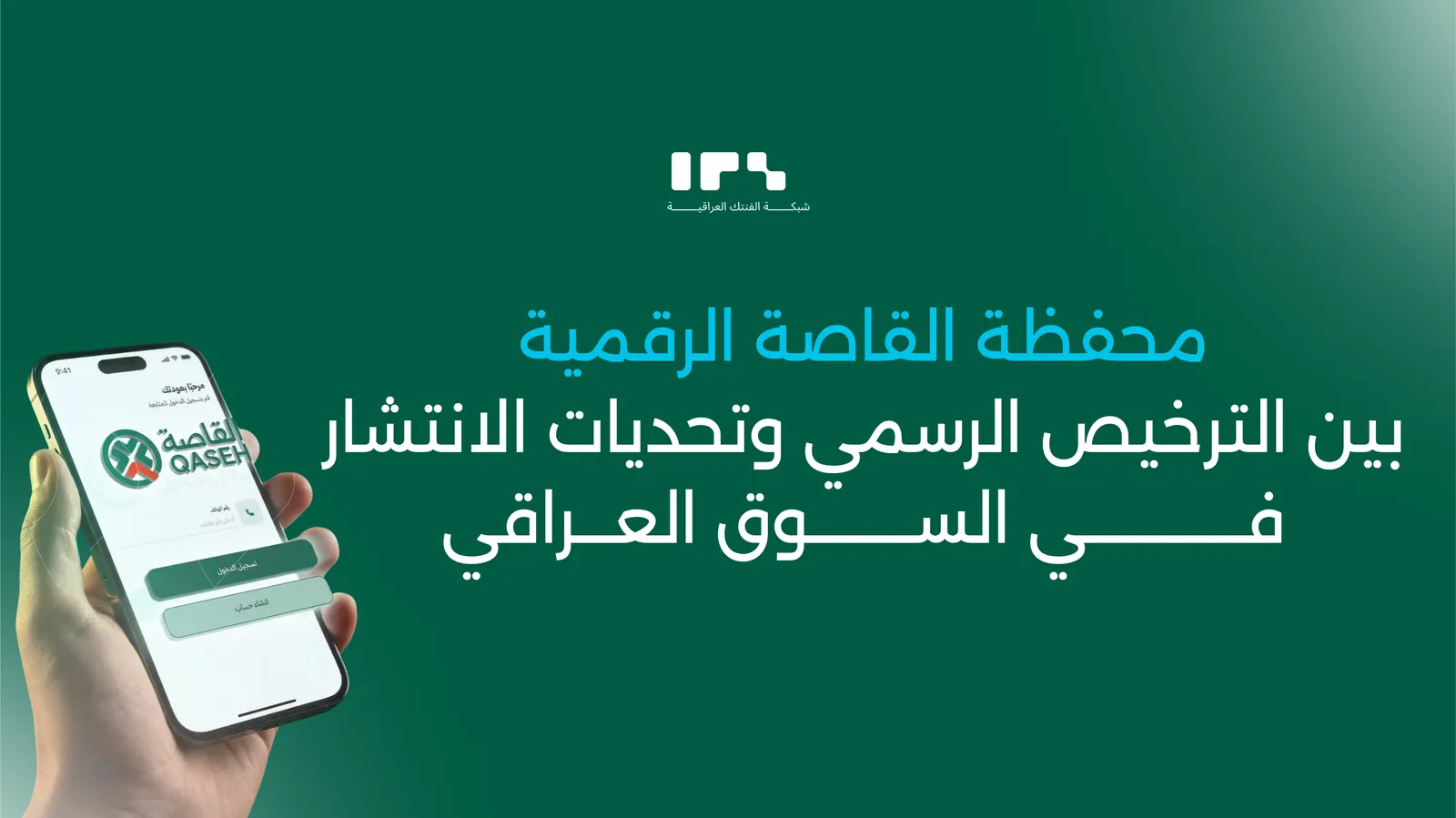
The "Al-Qaseh" Digital Wallet: An Analysis of Operational Performance and Expansion Challenges in the Iraqi Market
The electronic payment ecosystem in Iraq continues to attract new digital wallets and applications, all vying for a place within the financial inclusion framework championed by the Central Bank of Iraq. In this context, the "Al-Qaseh" wallet—operated by Al-Qaseh Financial Services and Electronic Payment—has emerged as an officially licensed digital wallet, offering financial solutions tailored to both individuals and businesses.
Read More
The National Bank of Iraq (NBI) App: Between Technical Excellence and Operational Hurdles—A Critical Look at the Bank’s Digital Experience
The financial landscape in Iraq is witnessing an accelerated shift toward digitalization, as private banks seek to redefine their relationships with customers long burdened by paper-based transactions and traditional bureaucracy. In this context, the National Bank of Iraq (NBI) app emerges as one of the most prominent digital solutions in the market. Yet, beyond the hype of advertising campaigns, has the app truly succeeded in providing a seamless and reliable banking experience that eliminates the need for branch visits—or does it still falter between technological ambition and the realities of operational constraints?
Read More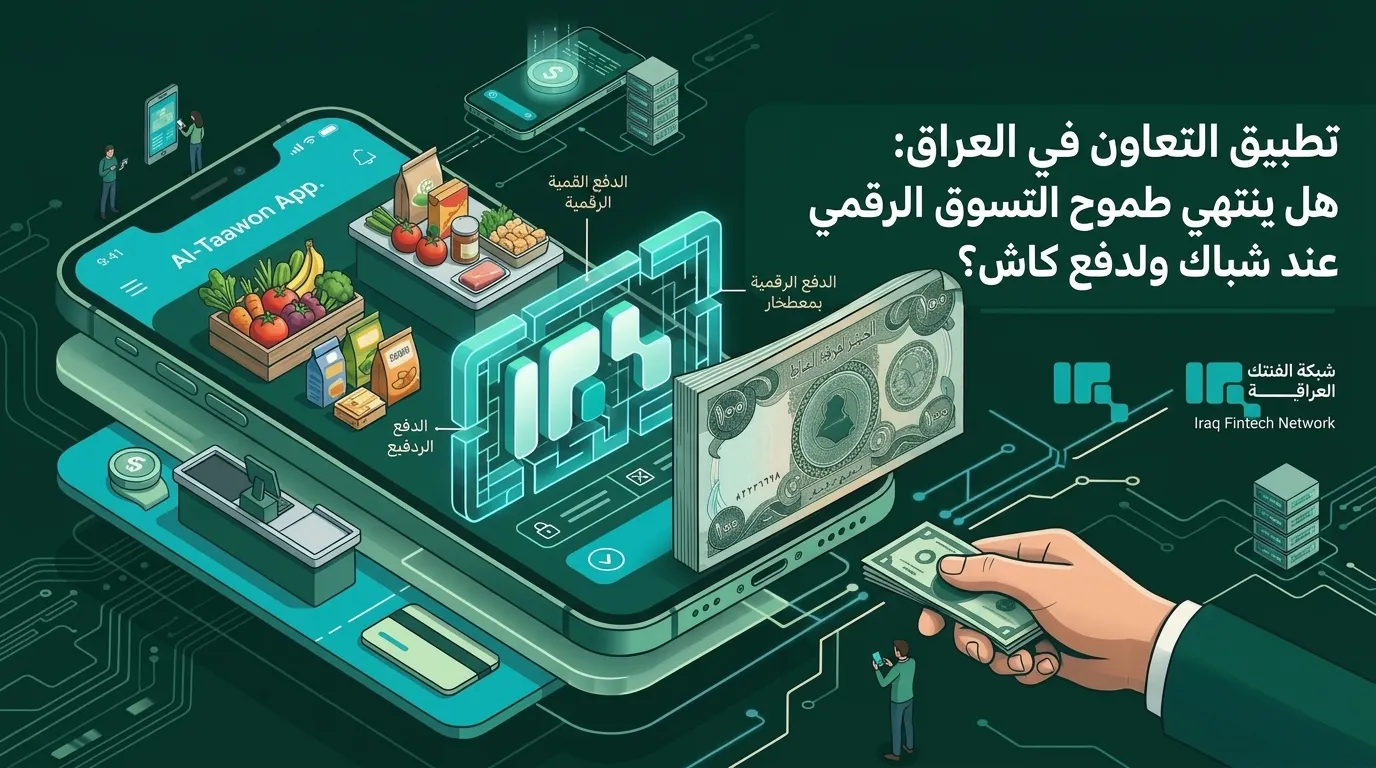
The "Al-Taawon" App: Does the Ambition for Digital Shopping End at the "Cash-on-Delivery" Counter?
The "Al-Taawun" App: Does the Ambition for Digital Shopping End at the "Cash-on-Delivery" Counter? The retail sector in Iraq is undergoing a tangible shift toward digital shopping platforms and smartphone applications. Major brands are striving to transition the traditional shopping experience into the digital realm, aiming to meet consumer needs with greater speed and flexibility. In Baghdad, the "Al-Taawun" (Cooperation) hypermarket chain has emerged as a leader in this transition, launching its own application for ordering and home delivery—leveraging its extensive customer base and a network of branches located in key areas. However, daily user experience reveals a range of technical and operational gaps that hinder the delivery of a fully integrated and seamless digital shopping experience.
Read More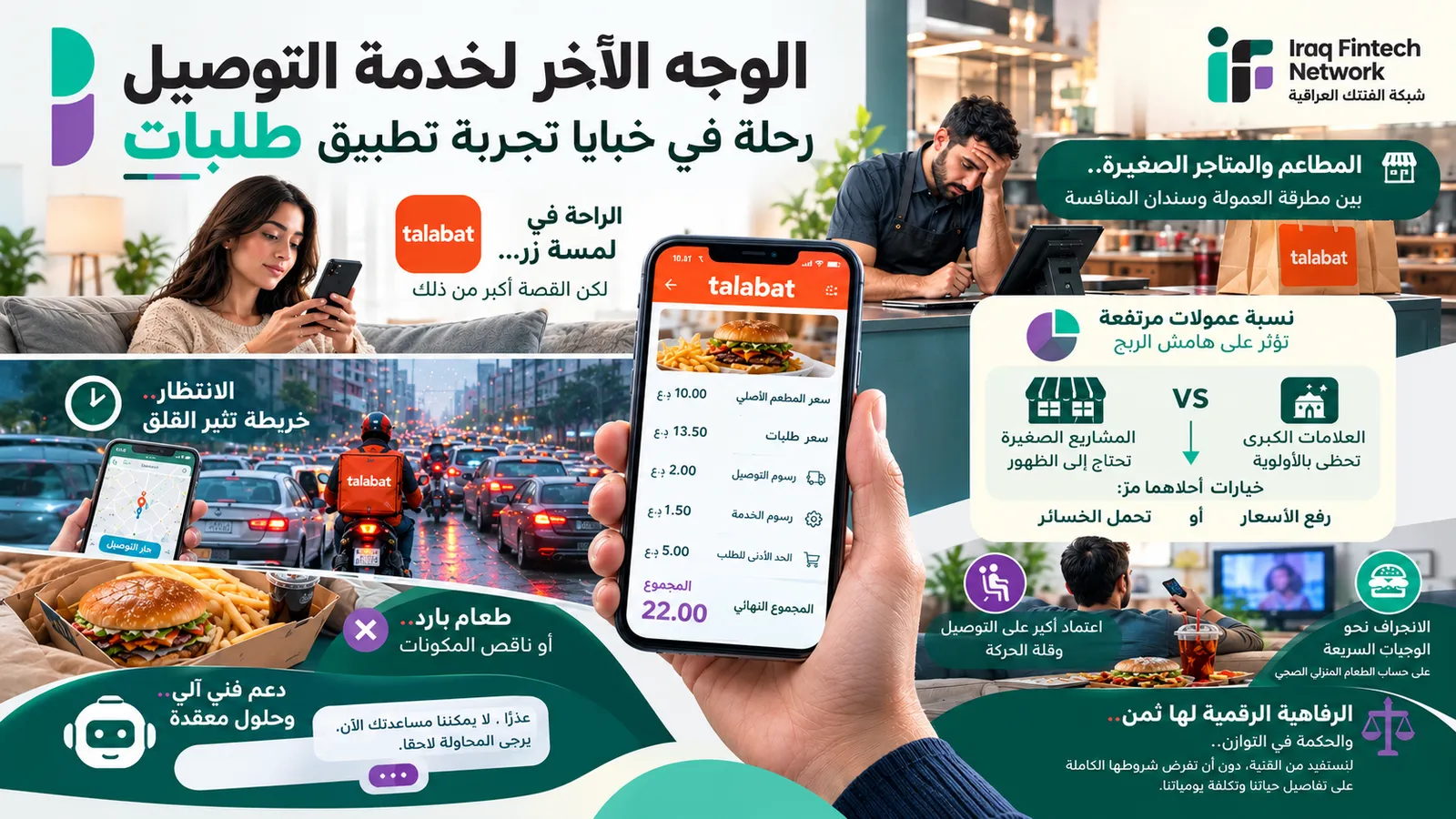
The Other Side of Delivery Services: A Journey into the Realities of the Talabat App Experience
In this age of speed and digitalization, tapping a smartphone screen to order a meal has become a routine daily ritual for millions. Among the platforms leading the way, Talabat stands out as a brand synonymous with the very concept of rapid delivery. Yet, this seamless experience—beginning with the touch of a button and ending with a knock at the door—conceals a different story behind the scenes, one fraught with challenges and complexities for both consumers and business owners.
Read More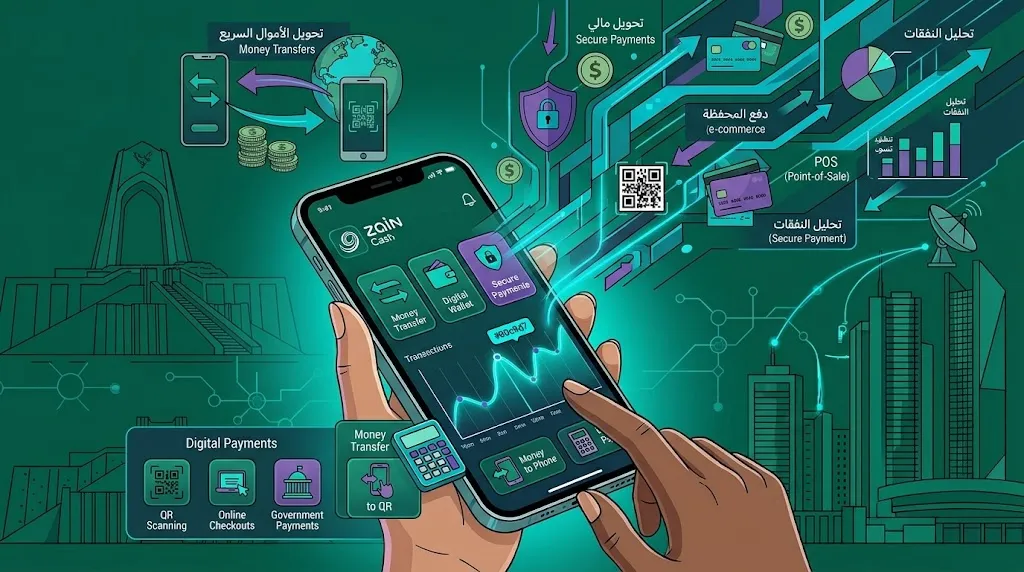
"Necessary Measures Taken"—A Transparency Test for Zain Cash Services
The past few years have witnessed a significant shift in the financial behavior of Iraqi citizens, as electronic wallets—led by the Zain Cash application—have engaged in an intense race to redefine daily cash transactions and provide the infrastructure essential for a growing digital economy.
Read More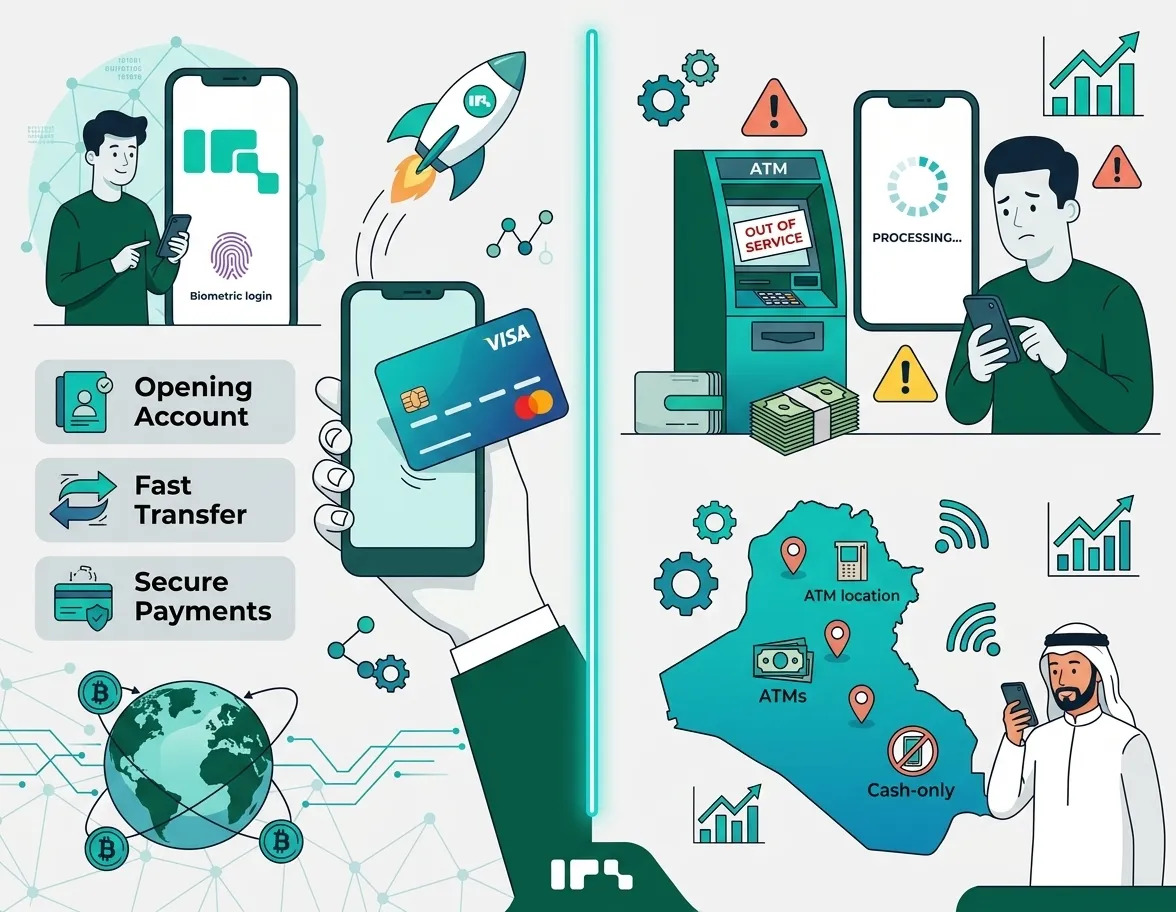
The First Iraqi Bank (FIB) App: Does It Truly Reflect the Future of Digital Banking in Iraq?
The First Iraqi Bank (FIB) app stands out as one of Iraq’s premier fully digital banking and smart financial platforms. It integrates features such as instant account opening, fund transfers, online shopping, and QR-code-based electronic payments—offering a modern experience designed to foster financial inclusion and reduce reliance on traditional cash-based transactions.
Read More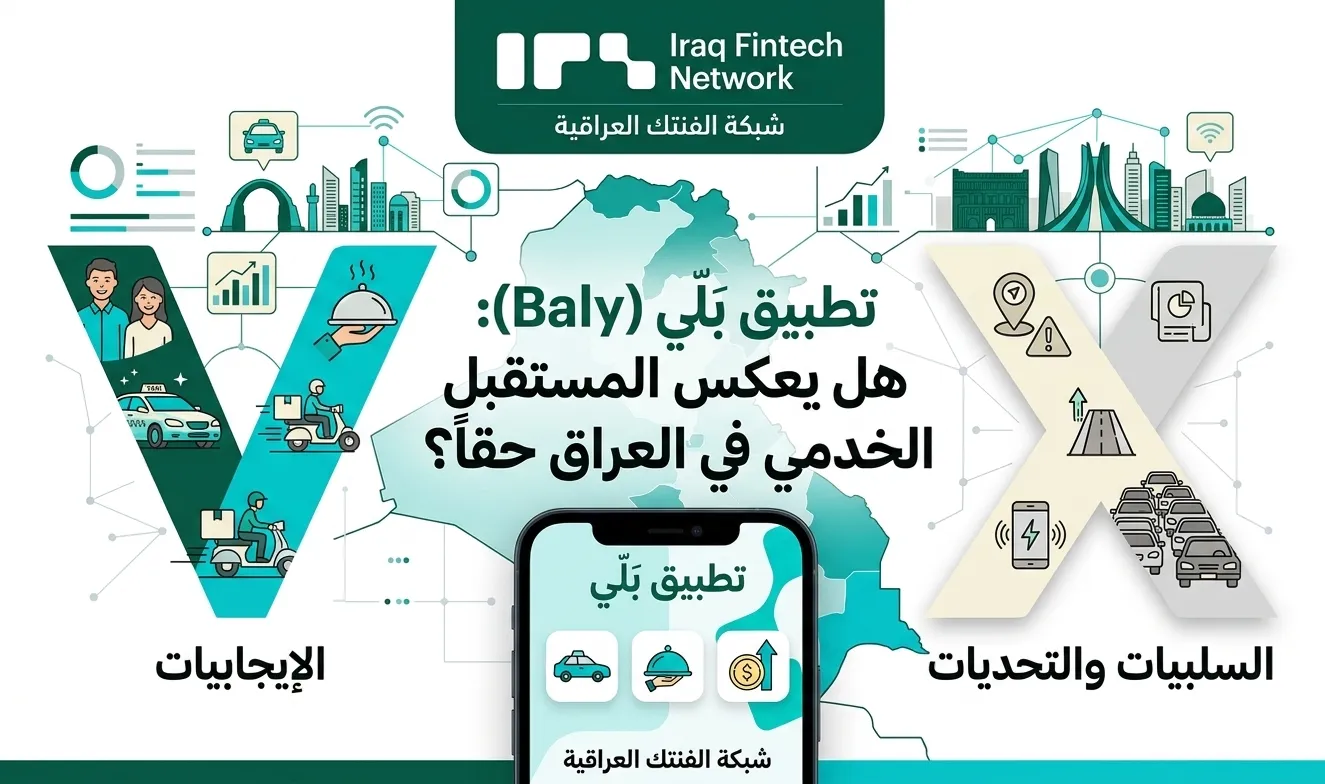
Baly in Iraq: A Wide Range of Services, but Customer Trust Begins with Complaint Resolution
The "Baly" app offers services that cater to users' daily needs—ranging from booking taxis and intercity or airport trips to food delivery, purchasing digital cards, and accessing various digital services.
Read More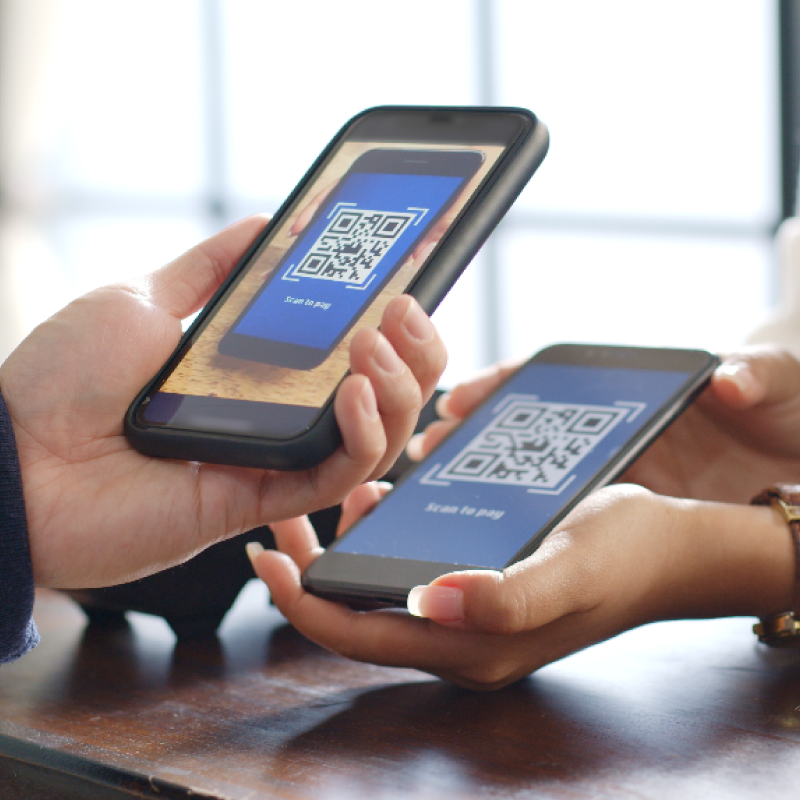
How QR Code Payments Are Spreading in Iraq and Why They Are the Fastest Way to Bring Small Merchants Into Digital Payments
For years, traditional Point-of-Sale (POS) terminals represented one of the biggest barriers to digital payment acceptance among merchants, largely due to their cost and the complexity of obtaining them. QR code payment technology has emerged as a simpler and more affordable solution that fits the characteristics of the Iraqi market, which is largely dominated by individual merchants and small businesses.
Read More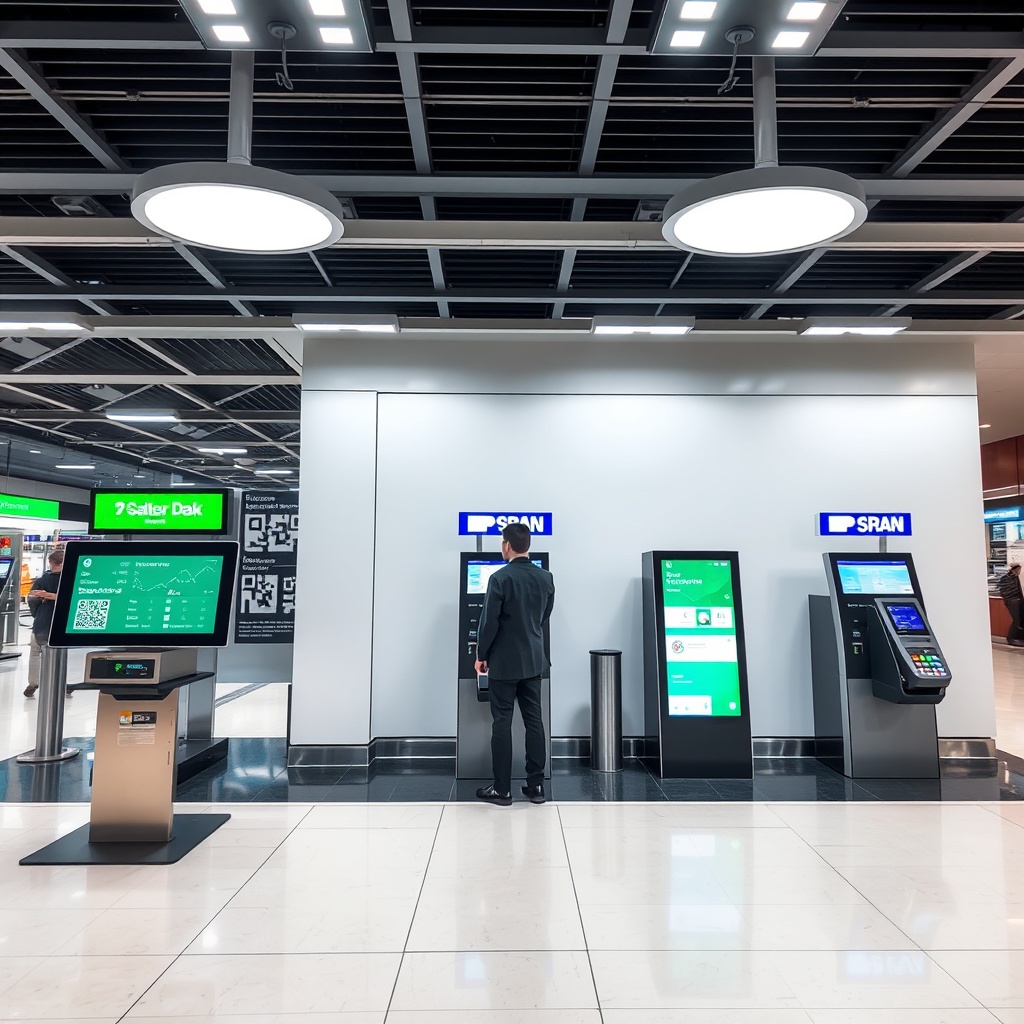
How Smartphone Penetration in Iraq Is Driving the Growth of Digital Payments and Fintech Services
Mobile phones have become the primary gateway through which most Iraqis are introduced to digital financial services, in many cases bypassing the personal computer or traditional bank branch altogether. Understanding this role is therefore essential for any organization seeking to develop a successful digital financial service in the Iraqi market.
Read More
The Importance of Cybersecurity in Protecting Customers and Financial Institutions Amid Iraq’s Digital Expansion
With every step the Iraqi banking and financial sector takes toward digitalization, the scale of potential cyber risks threatening customers’ data and funds continues to grow. This makes cybersecurity not a technological luxury, but a fundamental requirement for maintaining public trust in any new digital financial service.
Read More
From the Inside: The Journey of Qi Card — From a Payment Card to a Digital Financial Platform
On a summer day several years ago, I was standing outside a government bank branch in Baghdad It was still early in the morning, yet the queue had already started forming before dawn
Read More
How Could Artificial Intelligence Change the Way Iraqis Obtain Loans in the Future?
Imagine someone needs a loan to buy a car, finance a small business, or deal with an unexpected emergency Today, the process typically begins with collecting documents, proving income, submitting an application, and then waiting for a decision In some cases, applicants may wait days or even weeks before learning whether their request has been approved
Read More
Why Are Some Countries Moving Toward Fully Digital Banks
Just a few years ago, having a bank branch in every neighborhood was considered a sign of a bank’s strength, reach, and market presence Today, however, this equation is changing in a growing number of countries around the world Instead of opening more branches, many banks are closing them Instead of expanding in-branch staffing, they are investing heavily in mobile applications and digital platforms In some markets, entirely new banks have emerged without a single physical branch, operating exclusively through smartphones and the internet This transformation raises an important question: Why are some countries moving toward fully digital banks? And could this model become a defining feature of the future global banking industry؟
Read More
Can API Technologies Unlock Innovation in Iraq’s Financial Sector?
In recent years, Iraq has witnessed significant growth in digital financial services—from electronic payments to digital wallets and online banking. This transformation is reshaping how individuals and businesses interact with money. At the heart of this evolution, API (Application Programming Interface) technologies are emerging as a key enabler of innovation, accelerating development in the financial sector and opening new opportunities for both startups and traditional banks.
Read More
The Role of Blockchain in Transforming Iraqi Banking
Blockchain technology is transforming the global financial system, offering new ways to improve security, transparency, and efficiency in banking operations.
Read More
How Do Fraud Detection Systems Work?
As digital financial services expand, financial fraud is becoming more sophisticated. Fraud detection systems play a critical role in protecting users and financial institutions.
Read More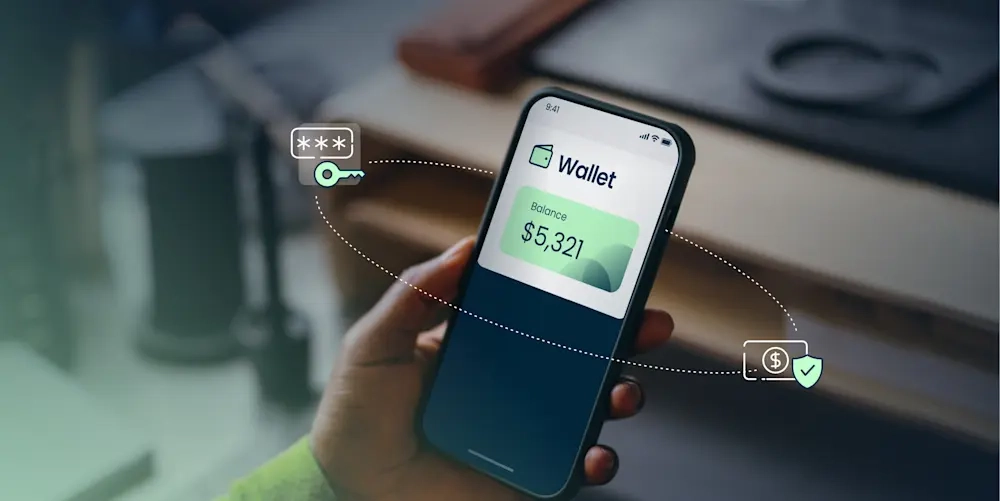
How Do E-Wallets Work? A Step-by-Step Explanation
E-wallets have become one of the most important tools in digital payments. As financial technology continues to expand in Iraq and globally, more people and businesses are relying on digital wallets for payments, transfers, and everyday transactions. But many users still ask: How do e-wallets work? Are they safe? What happens behind the scenes when a payment is made?
Read More
Financial Technologies Used in Digital Consumer Lending
Digital consumer lending has become one of the fastest-growing sectors in financial technology. Fintech companies now offer loans through digital platforms and mobile applications without requiring customers to visit bank branches.
Read More