

The Other Side of Delivery Services: A Journey into the Realities of the Talabat App Experience
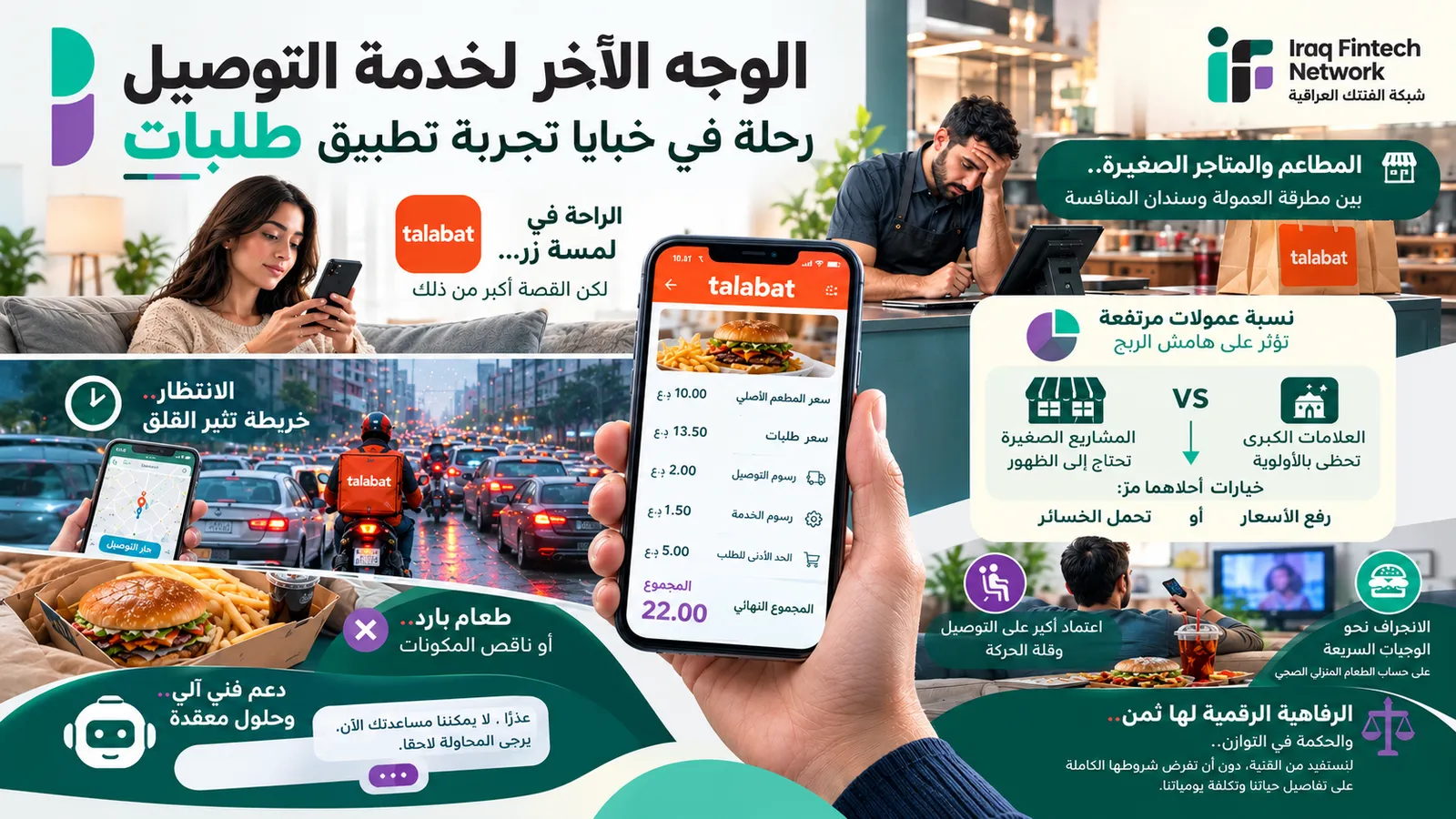
In this age of speed and digitalization, tapping a smartphone screen to order a meal has become a routine daily ritual for millions. Among the platforms leading the way, Talabat stands out as a brand synonymous with the very concept of rapid delivery. Yet, this seamless experience—beginning with the touch of a button and ending with a knock at the door—conceals a different story behind the scenes, one fraught with challenges and complexities for both consumers and business owners.
In this age of speed and digitalization, tapping a smartphone screen to order a meal has become a routine daily ritual for millions. Among the platforms leading the way, Talabat stands out as a brand synonymous with the very concept of rapid delivery. Yet, this seamless experience—beginning with the touch of a button and ending with a knock at the door—conceals a different story behind the scenes, one fraught with challenges and complexities for both consumers and business owners.
The experience often begins with the convenience the app provides, but users soon encounter the financial reality: a meal typically purchased at a set price from a favorite restaurant appears on the Talabat platform at a noticeably higher cost. This is compounded by an accumulating list of extra charges—ranging from delivery fees and variable service charges to minimum order requirements. What starts as a quick, simple decision turns into a complex calculation, often leaving the customer paying significantly more than the actual value of what they are consuming.
The story does not end with the budget; it also extends to the issue of waiting. During peak hours or adverse weather, the app’s interactive map can become a source of anxiety and anticipation. As drivers struggle through traffic congestion, the end result is often a meal that has lost its heat or arrives with missing components. When a customer seeks to resolve an issue by contacting technical support, they are often met with pre-programmed, automated responses that only complicate the situation. Securing a refund or financial compensation becomes a process that demands a great deal of patience and long waits.
On the other side of the screen, small restaurants and shops face a different kind of struggle. While these apps provide them with broad access to a large customer base, they also charge high commissions that directly erode already slim profit margins. These small businesses find themselves in an uneven race against major brands—brands that are prioritized by the platforms' visibility algorithms—leaving them with a difficult choice: either raise prices for customers or absorb the financial losses.
The story extends beyond mere finances and services, touching upon the very fabric of our daily lives and behaviors. An over-reliance on smart delivery platforms gradually fosters a sedentary lifestyle, while steering us toward fast-food options at the expense of healthy, home-cooked meals.
Ultimately, the experience of using delivery apps—despite the undeniable convenience and clever solutions they offer—serves as a reminder that digital luxury comes at a price. The key lies in finding balance: we should harness technology and leverage its benefits, without allowing it to dictate the terms of our daily lives or inflate the cost of our everyday existence.