

The "Al-Taawon" App: Does the Ambition for Digital Shopping End at the "Cash-on-Delivery" Counter?
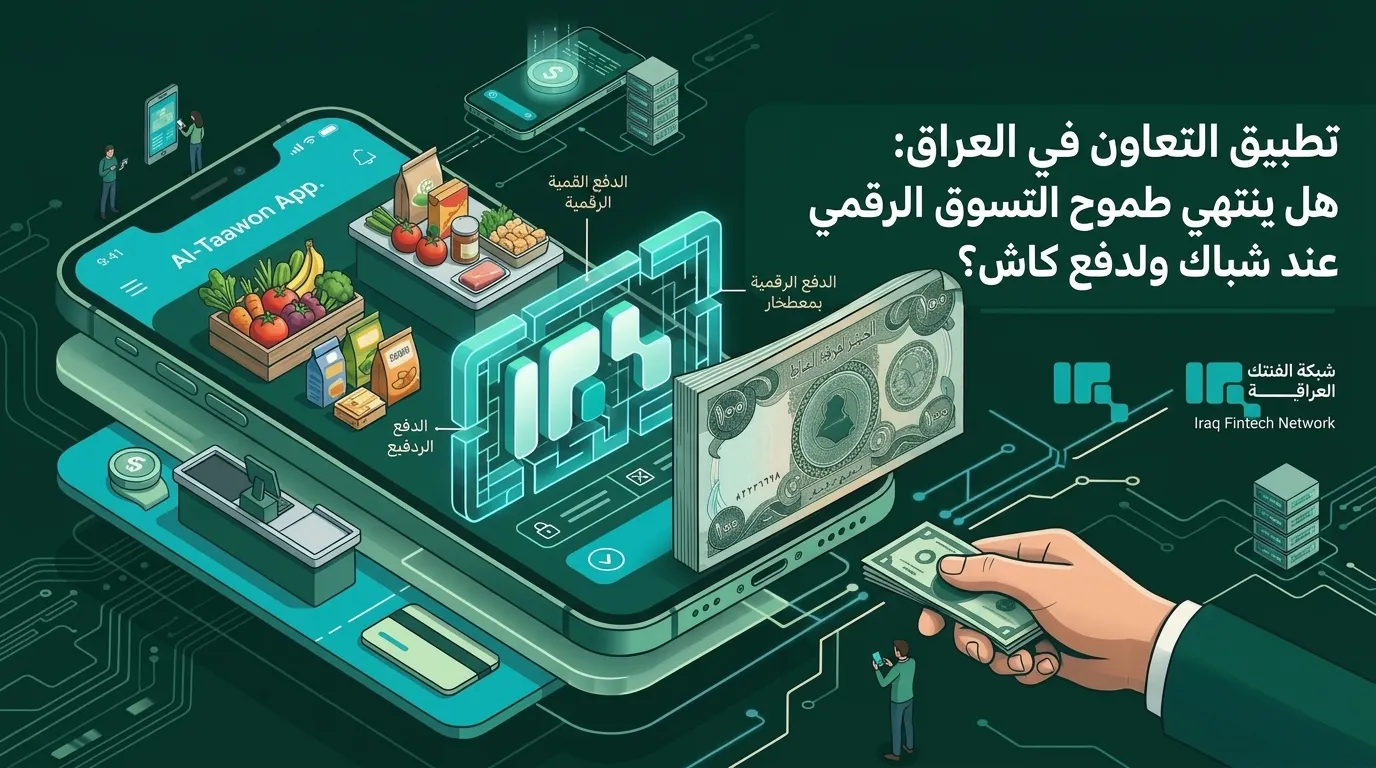
The "Al-Taawun" App: Does the Ambition for Digital Shopping End at the "Cash-on-Delivery" Counter? The retail sector in Iraq is undergoing a tangible shift toward digital shopping platforms and smartphone applications. Major brands are striving to transition the traditional shopping experience into the digital realm, aiming to meet consumer needs with greater speed and flexibility. In Baghdad, the "Al-Taawun" (Cooperation) hypermarket chain has emerged as a leader in this transition, launching its own application for ordering and home delivery—leveraging its extensive customer base and a network of branches located in key areas. However, daily user experience reveals a range of technical and operational gaps that hinder the delivery of a fully integrated and seamless digital shopping experience.
The retail sector in Iraq is undergoing a tangible shift toward digital shopping platforms and smartphone applications. Major brands are striving to transition the traditional shopping experience into the digital realm, aiming to meet consumer needs with greater speed and flexibility. In Baghdad, the "Al-Taawun" (Cooperation) hypermarket chain has emerged as a leader in this transition, launching its own application for ordering and home delivery—leveraging its extensive customer base and a network of branches located in key areas. However, daily user experience reveals a range of technical and operational gaps that hinder the delivery of a fully integrated and seamless digital shopping experience.
Perhaps the most prominent challenge is that the application’s only payment method is "cash on delivery," which serves as a clear obstacle to a comprehensive digital transformation. While cash payments may offer a sense of security to customers who prefer to inspect goods before paying, the absence of integrated electronic payment gateways—such as digital wallets or local and international bank cards—limits the service's flexibility. Furthermore, this reliance on cash lags behind the broader trend within the Iraqi banking sector, which is actively promoting financial inclusion and cashless payment systems.
The hurdles are not limited to payment methods alone; they also extend to the technical infrastructure and inventory management systems within the application itself. Consumers frequently encounter frustration due to discrepancies between the items displayed on the app and the actual stock available on the hypermarket shelves. This often leads to the removal of items from an order or necessitates direct communication with the customer to suggest alternatives. Furthermore, the app suffers from slow interface responsiveness and unexpected crashes during peak hours or promotional events. The lack of a real-time tracking feature for delivery personnel on a map also makes orders prone to delays, especially during periods of heavy traffic or in the evening.
Beyond these operational challenges, there is an external security threat that undermines the brand’s reputation and exploits customer trust: the proliferation of fraudulent links and online scams distributed via SMS and social media. These links often promote fake cash prizes or contests under the guise of "Al-Taawun Hypermarket," aiming to compromise data or hijack user accounts. This places an added responsibility on the hypermarket’s management to raise public awareness and consistently urge customers to rely solely on official channels.
In conclusion, the Al-Taawun Hypermarket app represents an ambitious and significant step toward advancing the retail sector in Iraq. However, for it to remain sustainable and succeed amidst growing competition, these technical and service-related flaws must be addressed comprehensively. Transitioning toward digital integration—by incorporating electronic payment gateways, updating inventory databases in real time, and enhancing application infrastructure—will enable the delivery of a high-quality service that meets the expectations of the Iraqi public and keeps pace with the desired digital transformation.