

How Do E-Wallets Work? A Step-by-Step Explanation
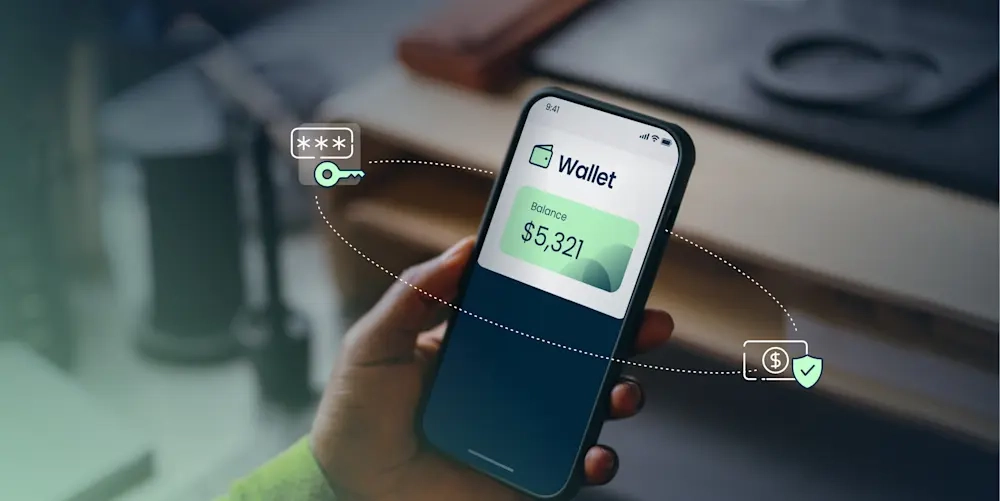
E-wallets have become one of the most important tools in digital payments. As financial technology continues to expand in Iraq and globally, more people and businesses are relying on digital wallets for payments, transfers, and everyday transactions. But many users still ask: How do e-wallets work? Are they safe? What happens behind the scenes when a payment is made?
This article provides a step-by-step explanation of how e-wallets work, along with their benefits and role in the digital economy.
What Is an E-Wallet?
An e-wallet is a digital application or platform that allows users to store money electronically or connect to a bank account or payment card, then use it for financial transactions through mobile devices or the internet.
E-wallets are commonly used for:
- Sending money
- Paying bills
- Online shopping
- Receiving salaries or transfers
- Paying merchants through QR codes or phone numbers
They are a core part of the fintech ecosystem.
How Do E-Wallets Work? Step by Step
Step 1: Account Registration
The process starts when the user downloads the e-wallet application and creates an account using personal details such as name, phone number, and password.
Step 2: Identity Verification
The platform verifies the user’s identity through OTP codes, ID documents, or biometric checks to comply with KYC and security requirements.
Step 3: Funding the Wallet
The user adds money through a bank transfer, linked card, cash agent, or incoming transfer from another user.
Step 4: Storing Digital Balance
The wallet balance appears in the app as a digital value stored securely in the platform’s system.
Step 5: Making a Payment or Transfer
The user sends money through a phone number, QR code, payment link, or merchant option inside the app. The system checks authentication, balance, and transaction validity, then completes the transfer.
Step 6: Transaction Processing
Behind the scenes, the wallet platform encrypts, validates, records, and processes the payment in real time.
Step 7: Notifications and Tracking
Users receive instant notifications and transaction records, making e-wallets transparent and easy to monitor.
Why Are E-Wallets Fast and Secure?
Modern e-wallets rely on:
- Encryption
- Two-factor authentication
- Biometric verification
- Fraud detection systems
- Real-time transaction monitoring
This makes them efficient and secure for daily use.
E-Wallets vs Bank Accounts
E-wallets mainly focus on fast payments and daily transfers, while bank accounts provide broader services such as savings, loans, and deposits.
Key Benefits of E-Wallets
- Fast transactions
- Reduced cash dependency
- Better financial inclusion
- Easy bill payment
- Strong support for e-commerce
Conclusion
E-wallets are more than payment apps. They are digital financial tools that make money management easier, faster, and more accessible. Understanding how e-wallets work step by step helps users use them with more confidence and supports the growth of digital finance.