

How QR Code Payments Are Spreading in Iraq and Why They Are the Fastest Way to Bring Small Merchants Into Digital Payments
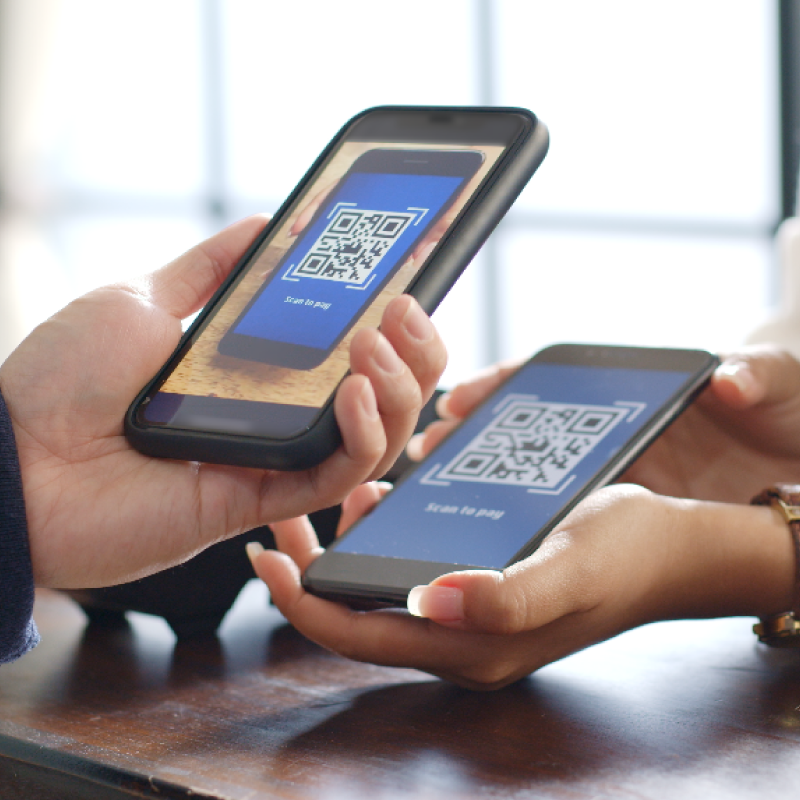
For years, traditional Point-of-Sale (POS) terminals represented one of the biggest barriers to digital payment acceptance among merchants, largely due to their cost and the complexity of obtaining them. QR code payment technology has emerged as a simpler and more affordable solution that fits the characteristics of the Iraqi market, which is largely dominated by individual merchants and small businesses.
How Does the Technology Work in Practice?
The concept is straightforward: the merchant displays a QR code, either printed on paper or shown on their smartphone screen. The customer scans the code using their digital wallet application to complete the payment instantly, without requiring the merchant to have any additional electronic equipment.
This simple setup makes the technology particularly attractive to kiosk owners, small shopkeepers, and market vendors whose budgets may not allow them to purchase expensive POS equipment.
Why Is This Technology Particularly Suitable for the Iraqi Market?
The Iraqi economy has a high concentration of informal businesses and small shops spread throughout neighborhoods and streets. These businesses have historically been excluded from traditional digital payment solutions because of their relatively high costs.
QR codes change this equation. A merchant only needs to print a small piece of paper or display the code on a smartphone screen to become part of the digital economy with virtually no significant upfront investment.
The Biggest Challenge: Changing Consumer Behavior
Despite the technology’s simplicity from the merchant’s perspective, the real challenge remains changing Iraqi consumers’ deeply rooted preference for cash.
Many customers prefer cash because it gives them a sense of complete control over their money, or simply because they are not accustomed to scanning a code to complete a basic purchase.
Overcoming this barrier requires clear incentives, such as discounts or loyalty points that customers can earn when paying via QR code.
The Role of Fintech Companies in Accelerating Adoption
Digital payment companies operating in Iraq are working to simplify the process of registering small merchants and activating their individual QR codes within minutes.
They are also providing simplified sales reports that allow merchants to digitally track their daily revenue—a useful feature that was previously unavailable to merchants who relied exclusively on cash transactions.
Where Is This Payment Method Heading?
As more shops begin displaying QR payment codes next to their cash registers, this technology appears likely to gradually become a familiar part of the everyday shopping experience in Iraqi cities, particularly among younger consumers who are more receptive to experimenting with new digital payment tools.