

The State of FinTech in Iraq in 2026 — Between Promising Opportunities and Existing Challenges
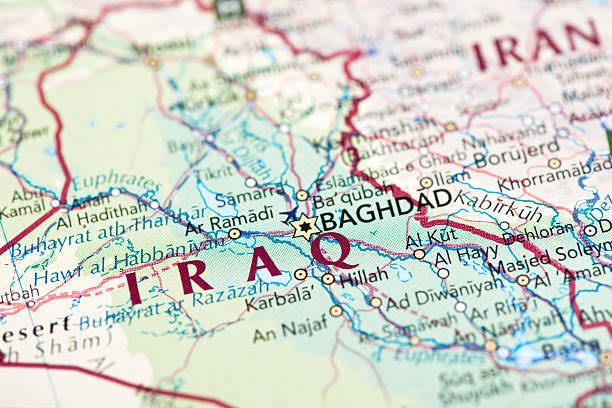
Iraq’s FinTech sector has undergone a notable transformation in recent years. For decades, the Iraqi economy relied heavily on cash-based transactions. Today, digital payment companies and platforms are expanding across major cities, benefiting from the growing penetration of smartphones and 4G and 5G networks, alongside increasing support from the Central Bank of Iraq for financial inclusion initiatives.
From a Cash-Based Economy to Digital Wallets
A significant portion of Iraq’s population remains outside the formal banking system, representing both a major challenge and a substantial opportunity for FinTech companies.
Every citizen without a bank account represents a potential customer for a digital wallet or prepaid payment card. This helps explain the growing competition among service providers seeking to attract the salaries of employees and retirees through smart payment cards.
Key Players in the Market
Companies operating in Iraq’s electronic payments sector range from those affiliated with telecommunications companies to independent providers and platforms linked to banks.
This diversity is creating a competitive environment that encourages service improvements and lower fees. At the same time, it places an additional burden on ordinary consumers, who must compare multiple offers before choosing the wallet or payment card that best suits their needs.
Regulatory and Technological Challenges
Despite the sector's growing momentum, it continues to face significant challenges. These include limited public trust in cashless transactions and the relatively small network of physical points of sale that accept digital payments outside Baghdad and other major cities.
The sector also faces banking complexities related to international money transfers. In addition, the absence of a comprehensive regulatory framework for some emerging services, such as digital lending and InsurTech, remains an obstacle to the introduction of new business models.
Toward a More Inclusive Digital Future
Government policies indicate a continued push toward transitioning public-sector salaries to electronic payment cards, potentially giving FinTech companies access to a massive customer base almost overnight.
As Iraqi youth become increasingly familiar with digital payment tools through e-commerce platforms and mobile applications, Iraq appears to be moving—albeit relatively slowly compared with some of its regional neighbors—toward a broader digital financial transformation.
The coming years will likely determine whether Iraq can move beyond simply digitizing payments toward building a mature FinTech ecosystem capable of delivering broader financial inclusion, innovation, and sustainable economic growth.