

On top of the frustrations already caused by government offices, along comes the "Tabadul" (Exchange) application—is it meant to serve the citizen, or to burden them further!
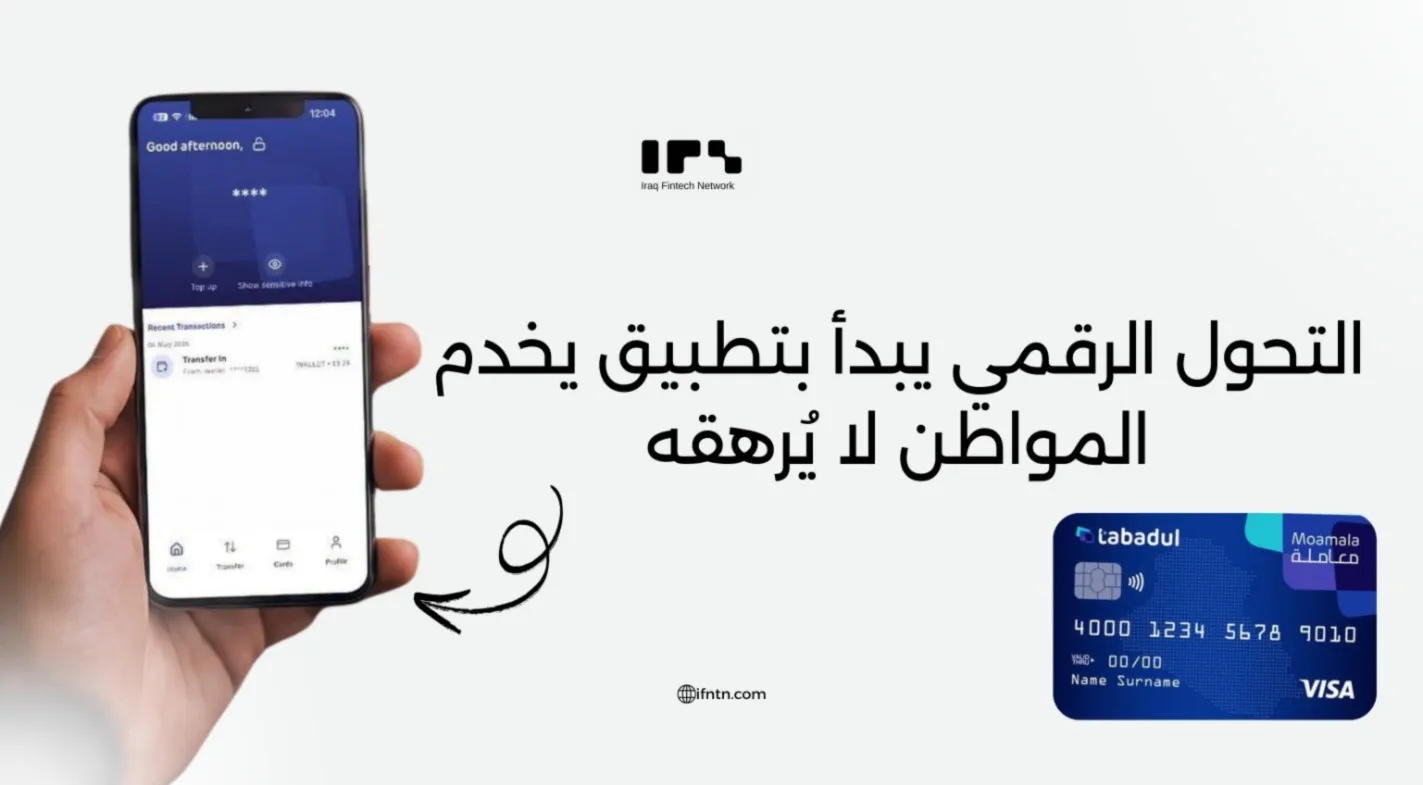
The financial technology and financial inclusion sector in Iraq has undergone a radical transformation, driven by directives for comprehensive automation. The "Tabadul" application has emerged as a strategic, locally developed solution—endorsed by the Central Bank of Iraq—for issuing payment cards and processing digital transactions. Launched from Baghdad, the application consists of an integrated software suite spanning various specialized sub-platforms, designed to provide modern payment solutions for individuals, institutions, and startups alike.
The financial technology and financial inclusion sector in Iraq has undergone a radical transformation, driven by directives for comprehensive automation. The "Tabadul" application has emerged as a strategic, locally developed solution—endorsed by the Central Bank of Iraq—for issuing payment cards and processing digital transactions. Launched from Baghdad, the application consists of an integrated software suite spanning various specialized sub-platforms, designed to provide modern payment solutions for individuals, institutions, and startups alike.
However, as the system has become more widely used for essential transactions, a stark gap has emerged between the platform’s ambitious technical aspirations and the harsh operational and software-related realities that users face daily. This is due to chronic, structural flaws within various components of the system—issues that have yet to be addressed or resolved in any fundamental way.
Looking at the positive aspects of "Tabadul," one finds a diverse range of financial solutions; the platform allows users to activate and manage payment cards, top up digital wallets, and perform instant transfers directly from their mobile phones. It also offers tailored solutions for critical sectors, such as fuel distribution, the collection of government institutional fees, and the payment of utility bills. Furthermore, the system integrates with an extensive network of local agents across the provinces, making it easier for citizens to request and physically receive their payment cards. Conversely, these advantages clash with genuine technical flaws rooted in the very architecture of the digital system. Such crises become particularly evident when examining the "Tabadul X" sub-application—designed for financial management—where the suspension of financial transactions and the failure to credit an account after funds have been deducted emerge as the most frequent and concerning operational errors. Furthermore, the inability to update a registered phone number—compounded by the absence of a self-service option within the interface—can lead to a scenario where an account becomes permanently locked, trapping users and denying them access to their own funds. These issues are compounded by chronic structural defects within "Tabadul Verify," the sub-application dedicated to account authentication. The system exhibits excessive sensitivity and significant technical shortcomings, frequently rejecting facial recognition data—even when compared against official identification—due to minor variations in lighting or the quality of the user's phone camera. This prevents the initial wallet creation process from being completed. Additionally, users often find their accounts temporarily locked due to recurring error messages—such as those citing "password policy violations"—which appear when attempting to set a password, all while the system fails to provide clear, actionable guidance.
The logistical failures do not end there; they extend to gaps in connectivity and real-time data synchronization when navigating between various sub-applications and integrated software solutions—such as the "Naftukum" (Our Fuel) application, or systems designed for managing "Nineveh" fuel vouchers and collecting payments for water and internet services. The system suffers from a chronic lag in synchronizing data with external servers, which causes delays—sometimes lasting hours or even days—in updating the displayed financial balance or remaining fuel quota within the user interface. This creates highly embarrassing situations for citizens at government offices and gas stations, as the actual balance fails to match what is shown on their phone screens. Furthermore, it undermines user confidence in the efficiency and reliability of the "Tabadul" application for handling significant or urgent
financial transactions.
This material is based on personal experiences and is published for informational and awareness purposes only. The agency grants the mentioned party the right to respond and provide corrections; we commit to amending the content or publishing a clarification once the provided information has been verified. Please contact us via email at (info@ifntn.com).