

Will Artificial Intelligence Manage Your Money One Day?
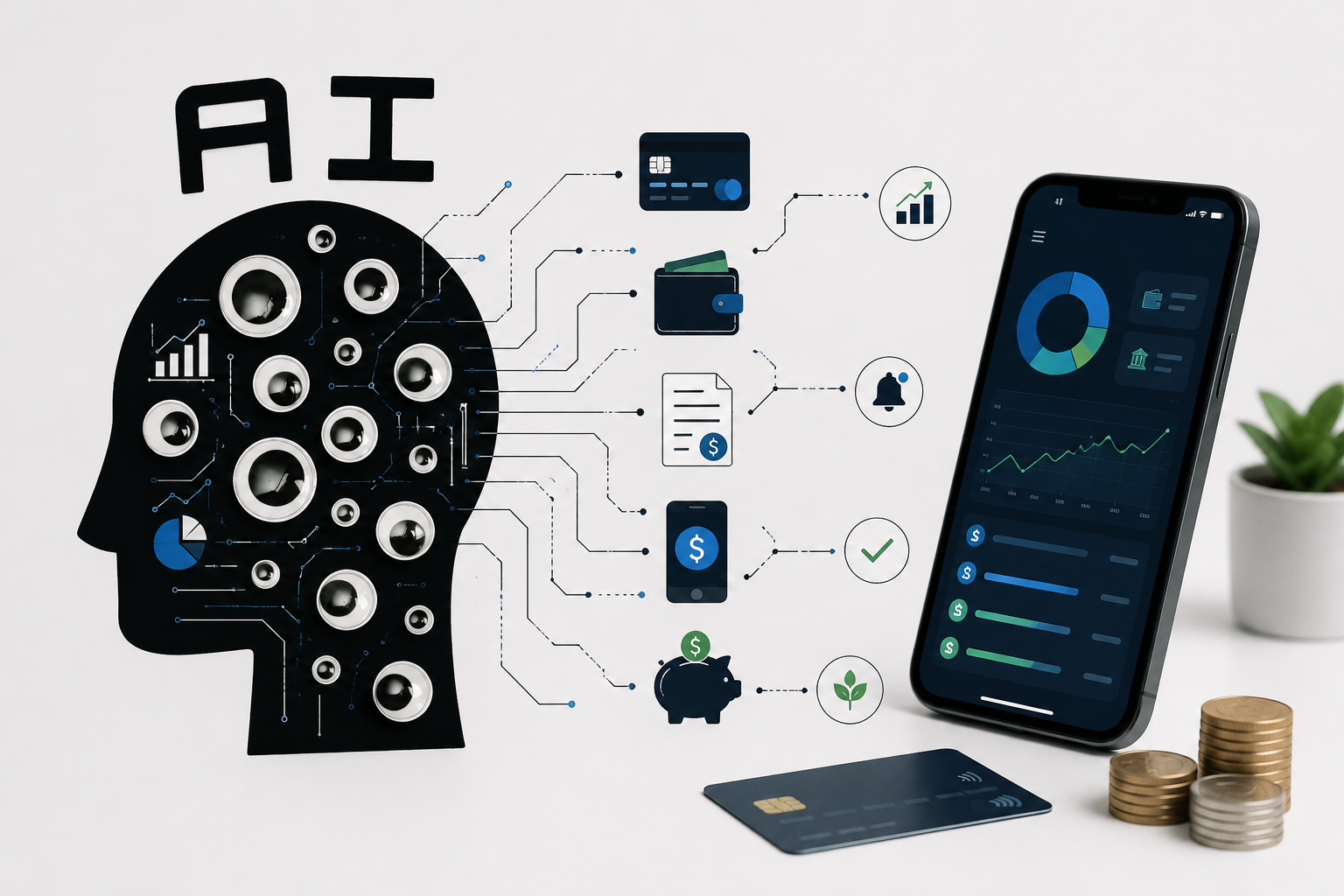
People have become accustomed to using financial applications for transferring money, paying bills, and managing their daily accounts. However, with the rapid advancement of artificial intelligence, the role of these applications may eventually go beyond simply executing commands. In the future, they may begin participating in certain financial decisions on behalf of users
While this idea may seem unusual today, many fintech companies around the world are already developing intelligent systems capable of understanding users’ financial behavior, analyzing spending patterns, providing recommendations, and even automating certain financial tasks.
This opens the door to a new stage in the evolution of digital financial services.
From Managing Money to Managing Decisions
Today, users make most of their financial decisions themselves.
They decide when to pay bills, how to allocate expenses, where to keep their money, and which financial services to use.
However, as AI technology advances, this dynamic may gradually change.
Instead of manually searching for the best payment, savings, or financing option, intelligent systems may be able to analyze available alternatives and recommend the most suitable choice based on a user's needs and financial habits.
In more advanced stages, some of these tasks could even be carried out automatically after obtaining user approval.
What Could This Look Like in the Future?
Imagine a financial application that understands your salary schedule, monthly obligations, and spending habits.
Such a system could:
- Remind you about upcoming bills before they are due.
- Suggest better ways to allocate your expenses.
- Alert you when you exceed a predefined budget.
- Detect unusual spending patterns.
- Identify potential savings opportunities.
- Recommend the financial services most suitable for your needs.
In the future, these functions may become a standard part of everyday financial applications.
What Does This Mean for Iraqi Users?
As electronic wallets and digital financial services continue to expand in Iraq, tools that help users manage their finances more effectively are becoming increasingly important.
Today, many users rely on:
- Digital wallets
- Bank cards
- Payment applications
- Subscription-based services
As the number of these services continues to grow, intelligent tools capable of organizing and managing them may become more valuable than ever.
For this reason, artificial intelligence could become one of the main drivers behind the next generation of fintech services.
The Opportunities Go Beyond Convenience
The value of these systems extends far beyond making life easier for users.
They may also help:
- Enhance financial inclusion
- Improve personal financial management
- Reduce financial mistakes
- Detect fraud more quickly
- Deliver highly personalized financial services
These benefits explain why fintech companies are investing heavily in artificial intelligence technologies.
But What About Trust?
Despite their enormous potential, trust remains one of the biggest challenges.
Users may be comfortable receiving recommendations from an intelligent system, but they may hesitate when it comes to allowing AI to make financial decisions or execute transactions automatically.
The growing role of AI in finance also raises important questions regarding:
- Data privacy
- Cybersecurity
- Information protection
- Responsible use of personal financial data
As a result, achieving the right balance between convenience and security will likely be one of the industry's biggest challenges in the years ahead.
Conclusion
The question is no longer whether artificial intelligence will play a deeper role in financial services, but how it will reshape the way people interact with their money.
Future financial applications may go beyond displaying balances and processing transactions. Instead, they could gradually evolve into intelligent financial assistants capable of analyzing information, providing recommendations, and supporting users in making better financial decisions.
Perhaps in the years ahead, the greatest challenge for users will not be learning how to use digital financial services, but deciding how much authority they are willing to grant artificial intelligence over their financial lives