
Why Have Some Iraqi Companies Started Offering Discounts for Electronic Payments Only?
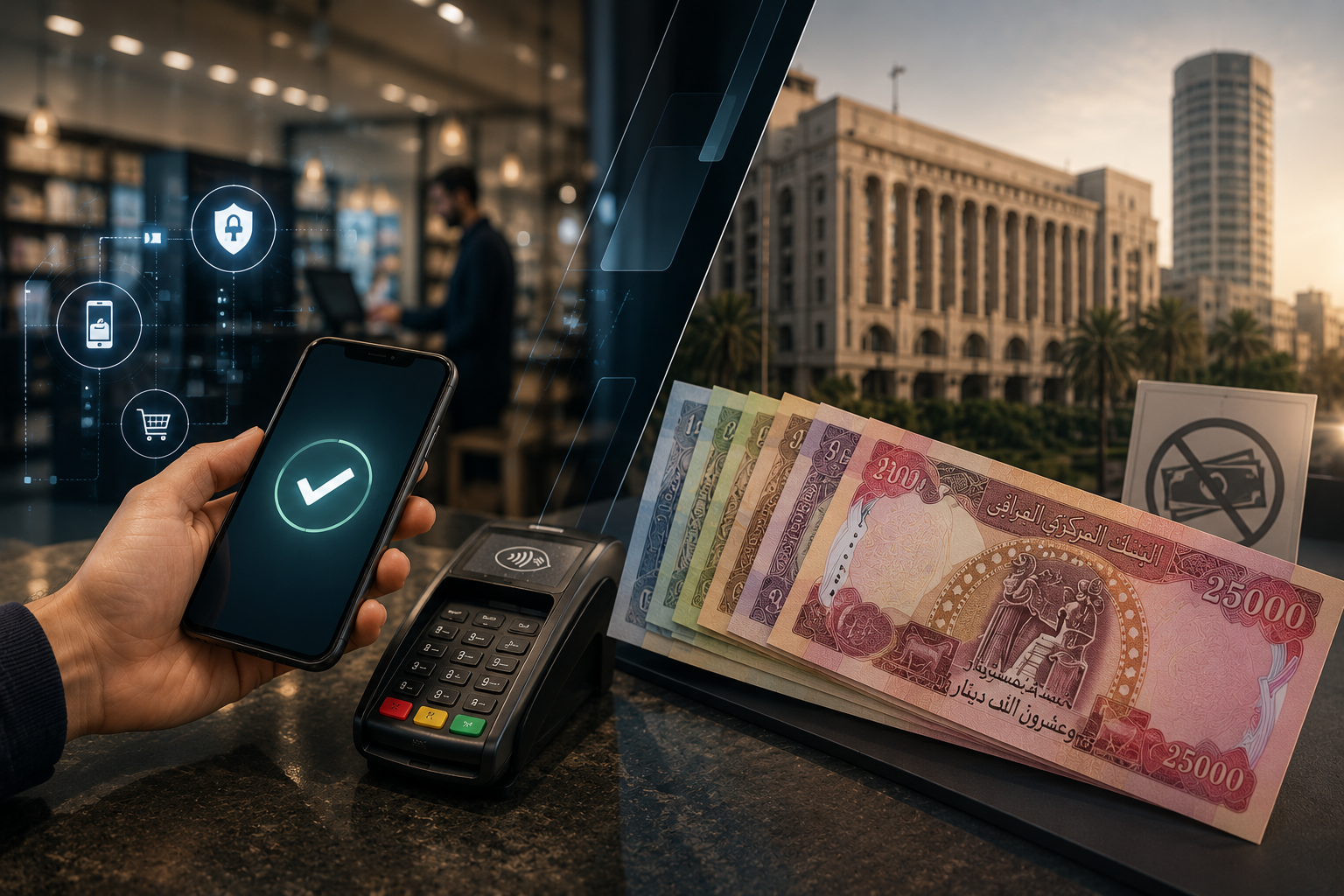
Only? In a growing number of Iraqi restaurants, stores, and digital applications, users have started noticing something very clear: Pay electronically and get a discount… pay cash and you pay the full price
This trend is no longer just a temporary marketing campaign. It is gradually becoming a strategy adopted by some companies to encourage users to move away from cash and engage more with digital payment systems.
Over recent months, these offers have expanded across:
- Delivery applications
- Restaurants and cafés
- E-commerce stores
- Subscription services and digital platforms
- Shops and markets that support digital wallets
at a time when fintech companies appear to be engaged in a real battle to reshape consumer behavior in Iraq.
Discounts Have Become a “User Attraction Tool”
In the past, promotions were mostly linked to holidays or seasonal campaigns. Today, however, the payment method itself can determine the size of the discount a customer receives.
Some companies now offer:
- Cashback rewards
- Direct discounts
- Exclusive offers
- Loyalty points and rewards
only when customers use:
- Digital wallets
- Bank cards
- In-app payments
in an effort to make electronic payments more attractive than cash itself.
Why Do Companies Want to Reduce Cash Usage?
Beyond slogans about digital transformation, there are practical reasons why some businesses prefer electronic payments, including:
- Reducing direct cash handling
- Minimizing accounting mistakes and payment disputes
- Speeding up sales transactions
- Organizing revenues more efficiently
- Eliminating “no change available” problems
- Improving financial tracking and monitoring
In addition, some applications and services are now built entirely around digital systems, making cash more of an operational burden than an advantage.
Iraq’s Market Is Changing… But Slowly
Despite the continued dominance of cash in Iraq’s economy, user behavior has started to shift gradually, especially among:
- Young people
- Application users
- Digital business owners
- E-commerce workers
- Users of delivery and subscription services
This segment has become increasingly willing to use:
- Digital wallets
- Bank cards
- In-app payments
- Everyday digital services
particularly when electronic payments are actually cheaper than paying cash.
Discounts Are No Longer Just Marketing
Some analysts believe what is happening today goes beyond traditional marketing tactics. Companies are effectively trying to:
Reshape spending behavior within the Iraqi market.
Every electronic payment provides:
- More user data
- Higher application engagement
- Stronger user attachment to wallets and services
- Gradual reduction in cash dependence
For this reason, competition among fintech companies is increasingly centered around:
Who can make users pay electronically on a daily basis.
Could Cash Become the “More Expensive Option”?
Interestingly, some users have started feeling that cash is no longer the most convenient or cost-effective option as it once was.
With the expansion of:
- Discounts
- Cashback campaigns
- Exclusive digital offers
- Joint campaigns between applications and wallets
cash may gradually become the less rewarding payment option in some digital and service sectors.
But Trust Remains the Biggest Obstacle
Despite this expansion, many users still prefer cash because of concerns related to:
- Limited trust in some services
- Internet connectivity issues
- Fear of technical failures or delays
- Difficult refund processes
- Daily dependence on cash-based markets
This makes the full transition toward digital payments slower than some companies may expect.
Conclusion
Discounts linked to electronic payments are no longer just temporary promotions in Iraq. They have become part of a clear race to reshape user behavior and reduce reliance on cash.
As digital wallets and electronic services continue expanding, competition in the coming years may no longer focus only on who offers the best service, but rather: