
What Is the Difference Between Fintech and Traditional Banks?
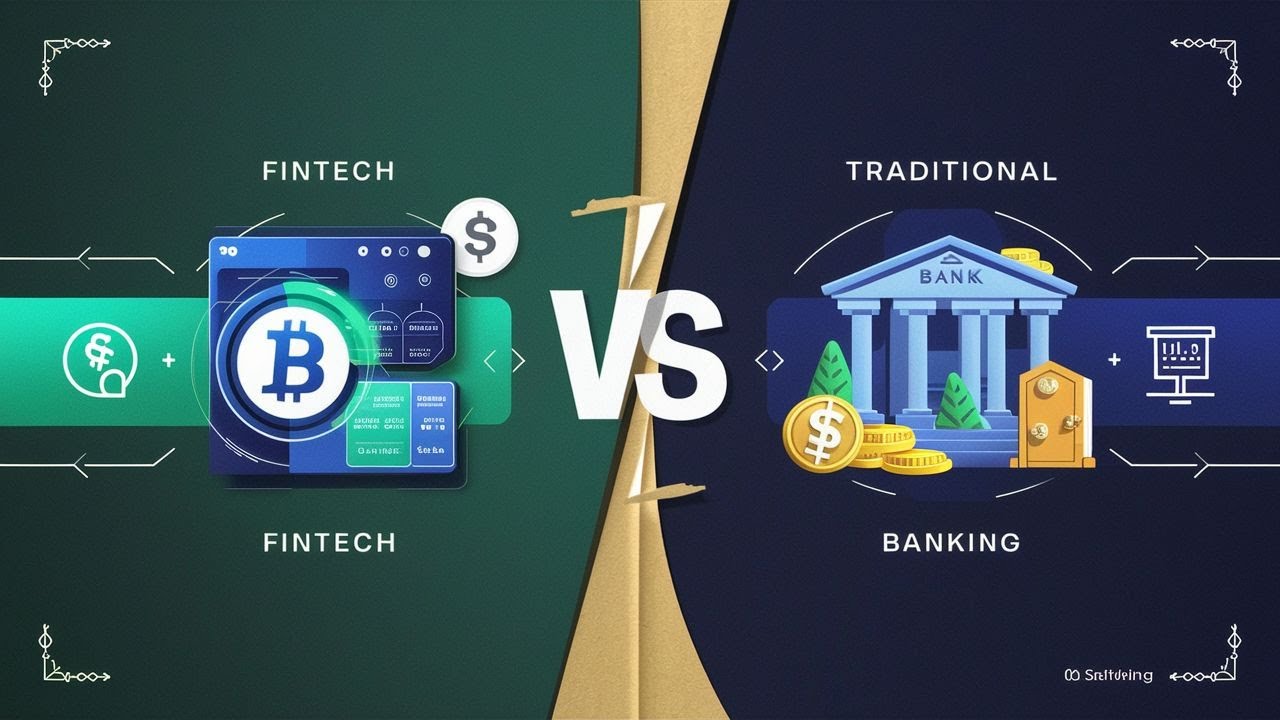
The debate about fintech vs traditional banks has intensified as digital transformation reshapes the financial industry. Understanding the differences is essential for businesses and consumers alike
Fintech (Financial Technology) refers to companies leveraging technology to deliver financial services such as digital payments, online lending, and mobile banking.
Traditional banks operate through physical branches and legacy banking systems, offering financial services within a conventional institutional framework.
Technology & Infrastructure
Fintech companies rely on:
- Cloud computing
- Artificial intelligence
- Big data analytics
- API integrations
Traditional banks often depend on legacy core banking systems, which limit agility and innovation speed.
Speed & User Experience
Fintech platforms provide:
- Instant account opening
- Mobile-first experience
- Real-time transactions
Traditional banks typically require paperwork and branch visits.
Cost Structure
Fintech firms operate with lower overhead costs due to the absence of physical branches, leading to competitive pricing.
Traditional banks maintain higher operational costs.
Regulation & Security
Traditional banks are heavily regulated by central authorities.
Fintech companies are also regulated, depending on jurisdiction, and invest significantly in cybersecurity.
Future Outlook
Rather than replacing banks, fintech is transforming financial services. Collaboration between banks and fintech startups is becoming the dominant model.