

The US Treasury imposes sanctions on the International Development Bank of Iraq for allegedly facilitating Iranian financing.
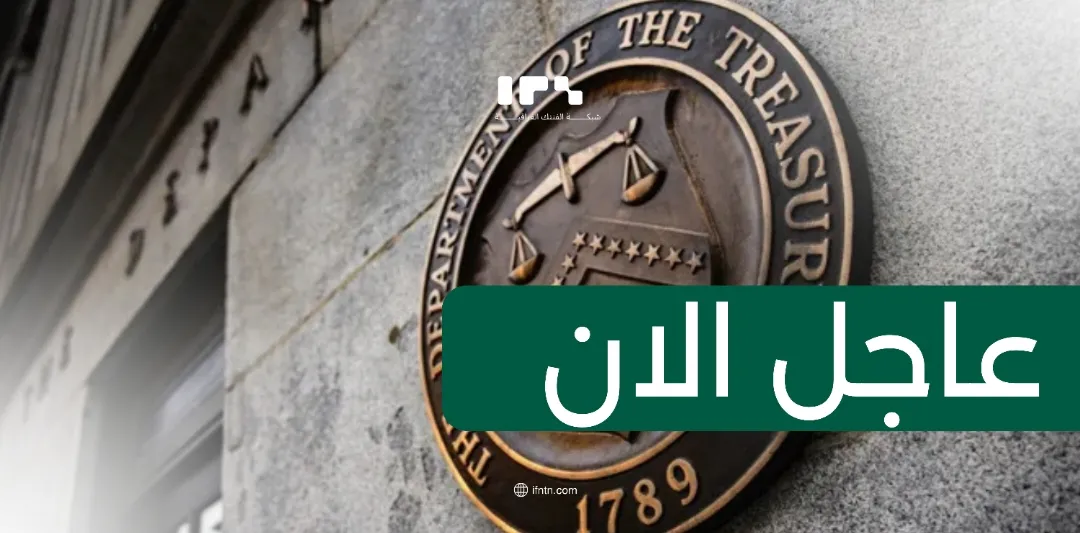
The U.S. Treasury has imposed sanctions on Iraq’s International Development Bank (IDB) over allegations of facilitating U.S. dollar flows to Iran, raising concerns about the potential impact on Iraq’s banking sector, customer accounts, and international financial transactions.
US Treasury Imposes Sanctions on Iraq's International Development Bank for Facilitating Iranian Financing
Baghdad – October 15, 2026
The US Treasury Department announced on Thursday sanctions against Iraq's International Development, Investment and Finance Bank (IDB), accusing it of facilitating access to US dollars for Iran, as part of a campaign targeting financial networks linked to Tehran.
In an official statement, the Treasury Department said the bank exploited its previous access to Iraq's foreign currency auction to provide dollars to Iranian entities, noting financial ties to Iranian government bodies and armed groups loyal to Tehran.
Accusations of Transferring Monthly Profits to Iran
According to the US Treasury, the bank was originally established by Iranian companies, and Iran's Bank Melli transferred its capital to the International Development Bank after being subjected to US sanctions.
The Treasury Department added that the bank used this capital for its banking activities, transferring profits to Iran in US dollars on a monthly basis.
The bank also accused an Iraqi financier with Iranian citizenship, allegedly linked to the Quds Force of the Iranian Revolutionary Guard Corps, of maintaining influence within the bank through family ties despite its ownership transfer to the current administration.
What do the US sanctions mean?
The bank's designation under US Executive Order 13902 includes freezing its assets under US jurisdiction and prohibiting most transactions with it by US persons.
Foreign financial institutions that conduct significant transactions with the sanctioned bank may face additional measures, potentially including restricted access to correspondent accounts in the United States.
Will citizens' accounts and bank cards be affected?
The decision raises questions about the impact of the sanctions on customer accounts, international transfers, and bank cards.
While the sanctions do not automatically freeze citizens' deposits within Iraq or deactivate their cards, they may affect some international transactions and services related to foreign financial institutions.
The actual impact on customers remains contingent on the measures that the Central Bank of Iraq, the bank, and its financial partners may announce.
Repercussions for the Iraqi Banking Sector
The sanctions could affect the bank's international relationships and its ability to process dollar transfers. They also underscore the importance of strengthening financial compliance and oversight of sources of funds and foreign transfers.
The US sanctions package also targeted two Iranian banks and several exchange companies and financial intermediaries accused of facilitating Iranian financing, in addition to US measures against a Cuban bank.
Bankers are awaiting official clarification regarding the impact of the decision on banking services and depositors' rights, given the continued US pressure on financial networks linked to Iran.
Source: US Department of the Treasury – October 15, 2026