

The "Digital Dollar" Trap: How Payment Apps Are Eating Away at Iraqis' Money Through Hidden Exchange Costs
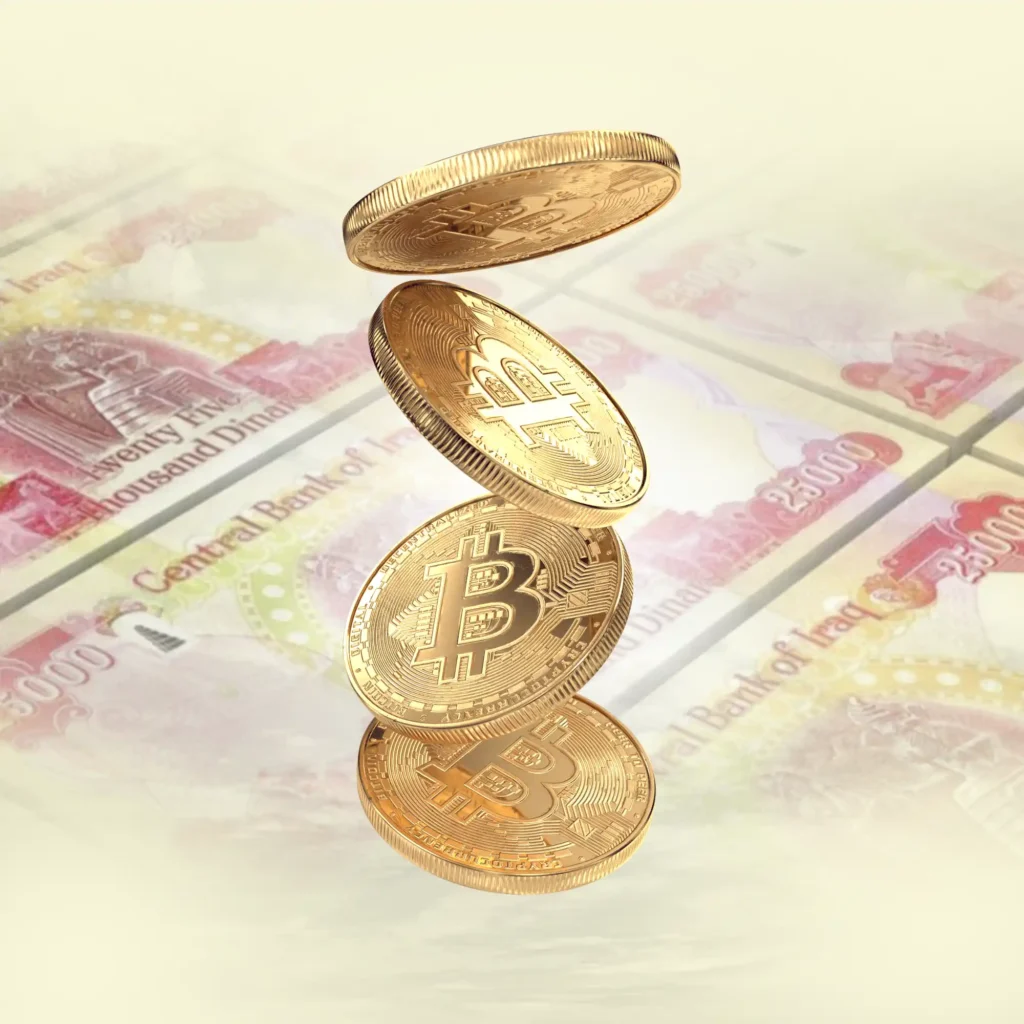
As Iraqis continue to hope for greater stability in the foreign exchange market, a new phenomenon emerged in July 2026, sparking widespread public debate and frustration. The issue centers on the growing gap between the "app dollar" and the "market dollar,"
with electronic payment applications and bank cards applying exchange rates that exceed the official rate of IQD 1,310–1,320 per U.S. dollar and, in some cases, closely matching black-market rates, which have approached IQD 156,000 per USD 100.
Economists and traders have described the practice as a form of hidden exploitation of Iraq's digital transformation efforts. They argue that payment providers impose commissions and operational fees that make electronic purchases more expensive than cash transactions, effectively undermining the objectives of financial inclusion and turning the initiative into a mechanism for increasing corporate profits at the expense of ordinary citizens.
While payment companies attribute these pricing differences to international settlement costs, cross-border processing fees, and the operational expenses of digital platforms, many Iraqis believe that insufficient oversight by the Central Bank of Iraq has allowed these applications to function as a "miniature currency exchange market," exerting significant influence over consumers' purchasing power.
The controversy has prompted a series of pressing questions among the public: Why should citizens be encouraged—or required—to embrace digital payments if doing so results in higher financial costs? And could the digital wallet ultimately become a black hole that quietly absorbs Iraqis' savings under the banner of technological innovation?