

The Central Bank of Iraq Discusses the Future of Electronic Payment Companies Amid Accelerating Digital Transformation
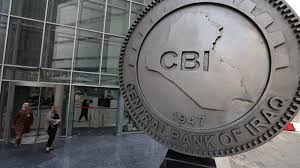
The Central Bank of Iraq held an expanded meeting in Baghdad chaired by Governor Ali Mohsen Al-Alaq, with the participation of department directors and representatives of licensed electronic payment companies operating in Iraq, to discuss the current state of the digital payments sector and the challenges associated with it during this phase
The meeting comes at a time when Iraq’s fintech sector is experiencing rapid expansion, alongside growing reliance on electronic payment services and digital transformation across institutions, markets, and everyday services
Discussing Challenges and Service Development
According to the Central Bank of Iraq, the meeting addressed the most important observations and challenges facing electronic payment companies, while also reviewing plans to develop services, technical infrastructure, and regulatory frameworks related to the sector
The discussions also focused on:
- Updating technical systems
- Developing infrastructure
- Strengthening supervisory systems
- Improving the efficiency of digital services
- Enhancing the electronic payment environment in Iraq
as part of a broader effort to support digital transformation and financial inclusion
Focus on Security and Compliance
During the meeting, the Central Bank emphasized the importance of:
- Adhering to regulatory instructions
- Strengthening compliance
- Raising security standards
- Improving the reliability of digital financial services
particularly amid the significant growth witnessed in Iraq’s electronic payments sector over recent years
Specialists believe these areas have become increasingly critical with the rise in user numbers and the growing dependence of markets, stores, and applications on digital financial services in daily operations
Iraq’s Fintech Sector Enters a More Sensitive Phase
The meeting also reflects that Iraq’s fintech sector is entering a more regulated and sensitive phase compared to previous years, especially with the expansion of:
- Digital wallets
- POS devices
- Payment gateways
- Financial applications
- Everyday digital services
This expansion is pushing regulators to place greater focus on stability, security, and technical oversight
Iraq’s Market Is Changing Rapidly
Over the past few years, Iraq’s market structure has changed significantly with the expansion of:
- Electronic cards
- Digital wallets
- Payment applications
- Online banking services
across multiple sectors including:
- Commerce
- Delivery services
- Applications
- Government services
- Daily retail markets
Observers believe this rapid expansion creates major challenges related to infrastructure, trust, and user experience
Is Iraq Moving Toward Becoming Less Dependent on Cash?
The current actions taken by the Central Bank and electronic payment companies reflect a clear direction toward reducing reliance on cash in daily transactions, especially with the continued expansion of digital services
At the same time, challenges remain, including:
- Weak internet infrastructure in some areas
- Heavy reliance on cash
- Variations in service quality
- Trust issues surrounding some digital systems
making the transition toward a fully digital financial environment a gradual process that requires ongoing development
Conclusion
The Central Bank of Iraq’s meeting with electronic payment companies reflects the continuation of official efforts to regulate and develop Iraq’s fintech sector alongside the rapid growth of digital services and electronic payments
As this transformation continues, the coming phase is expected to place greater emphasis on:
- Digital security
- Infrastructure development
- Improving service quality
- Enhancing the efficiency of electronic payment systems
in an effort to build a more stable and organized digital financial market in Iraq