

The "Al-Nakheel" App: When Software Updates Become a Collective Punishment for Retirees
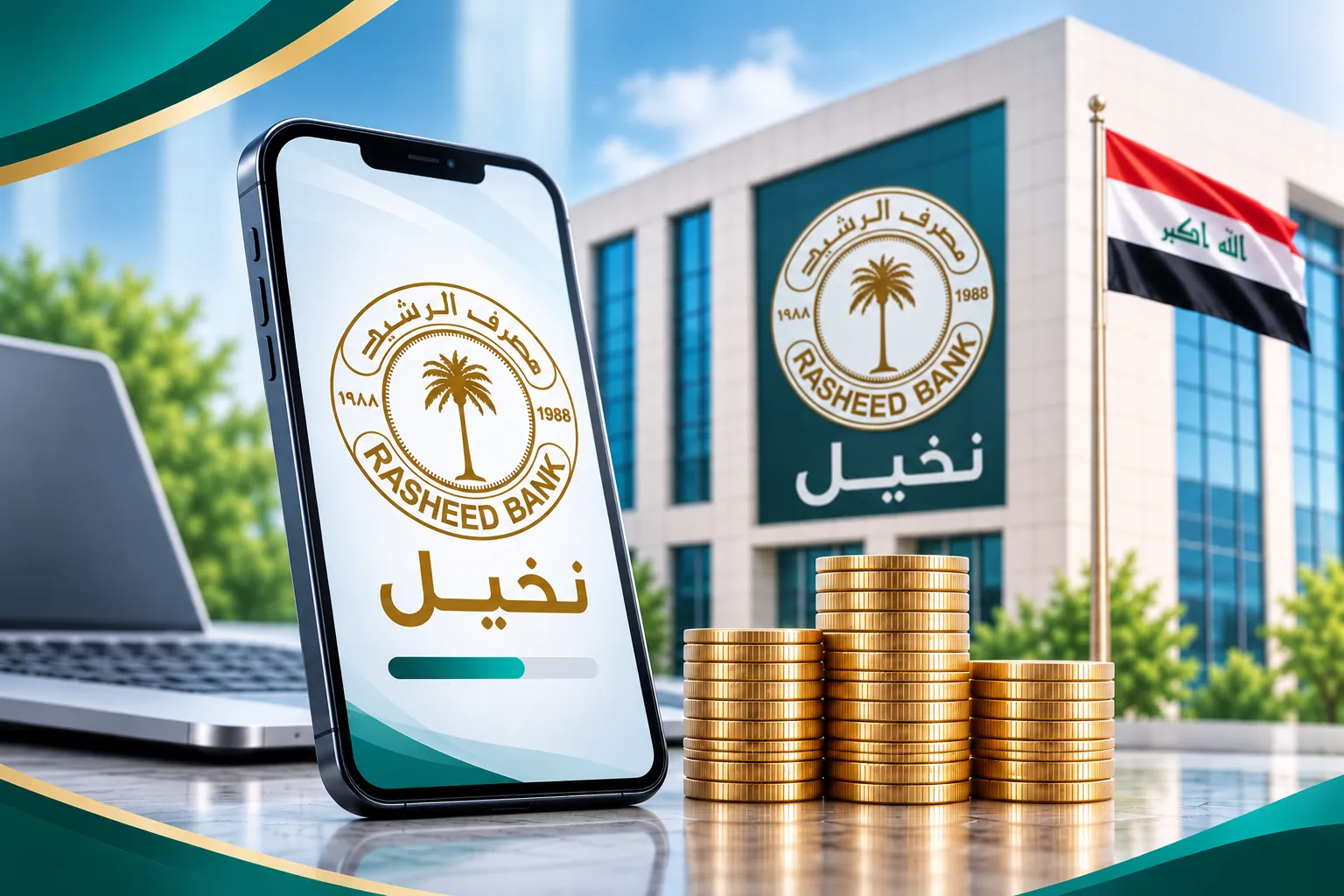
In a world shifting toward comprehensive digital transformation, traditional financial practices are no longer sufficient to meet the needs of citizens who expect seamless transactions. The "Al-Nakheel" app—a digital platform developed by Al-Rashid Bank—was intended to reshape the landscape of banking services in Iraq, serving as a primary tool for employees and retirees to manage their salaries and cover their living expenses.
In a world shifting toward comprehensive digital transformation, traditional financial practices are no longer sufficient to meet the needs of citizens who expect seamless transactions. The "Al-Nakheel" app—a digital platform developed by Al-Rashid Bank—was intended to reshape the landscape of banking services in Iraq, serving as a primary tool for employees and retirees to manage their salaries and cover their living expenses.
But what is the significance of the Al-Nakheel app within the Iraqi fintech landscape? And what are the technical hurdles and drawbacks that prevent it from fulfilling the aspirations of its users?
The Al-Nakheel app offers users a digital gateway to monitor their accounts and track salary transactions with great precision. Through its banking interface, the app allows employees and retirees to apply for electronic advances and loans—and track their status—without the need to endure long queues at bank branches. It provides tailored financial offerings designed to support the economic stability of citizens.
A Technical Gap and Ongoing Challenges in User Experience
Despite the app’s promising objectives, it suffers from software weaknesses that negatively impact the daily user experience. Users frequently encounter an "endless update loop," where the interface blocks access by demanding a system update—even though no new versions are available on official app stores. This creates significant frustration for users, particularly when they need to withdraw funds or check their account balances. Administrative Obstacles and Slow Verification Processes
The application suffers from technical rigidity, which becomes particularly evident when users are required to "update their data" or complete a "proof of life" verification. The system frequently freezes—often displaying a blank screen—while users attempt to upload documents, such as the unified national identification card. These persistent delays and system hang-ups hinder the processing of loan applications and make it difficult for users to recover accounts that have been locked, ultimately forcing many to visit bank branches in person.
Low Ratings Reflect the Reality of the Digital Service
User feedback on app stores clearly indicates the application’s poor performance compared to other alternatives available in the market. These cumulative flaws have resulted in very low ratings on official platforms: 2.1 out of 5 on the App Store and approximately 2.3 out of 5 on Google Play. Such figures highlight a significant gap between the bank’s promotional claims and the actual experience of its users.
Although the application offers essential services—such as loan processing and account management—the bank must act swiftly to adapt to technological advancements and resolve these systemic issues. Only by overcoming these shortcomings can the "Al-Nakheel" (The Palm) application truly become a successful, fully integrated digital tool in today’s fast-paced banking landscape.