

Retreat or Strategic Maneuver? Iraq’s Central Bank Decision to Allow Cash Dollar Withdrawals Raises Questions Over the Country’s Digital Transformation Agenda
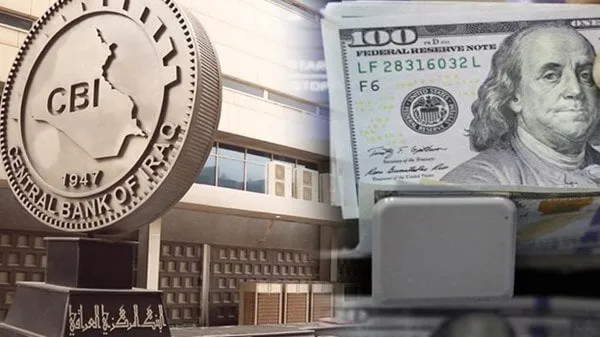
In a move widely described as a "sharp policy shift," the Central Bank of Iraq (CBI) issued an unexpected directive on 13 July 2026, authorizing licensed banks to disburse customers’ U.S. dollar deposits and incoming remittances in cash and directly to account holders.
The decision follows an extended period during which access to U.S. dollars had been largely restricted, with authorities encouraging settlements in Iraqi dinars or through electronic payment platforms. According to reputable news outlets such as Shafaq News and Al Arabiya, the directive has been interpreted by many analysts as an implicit acknowledgment of the challenges in narrowing the exchange-rate gap between the official and parallel markets, as well as the growing demand for physical U.S. dollar cash.
Economic observers argue that the move represents a pragmatic retreat from the government's earlier vision of achieving a fully digital payment ecosystem. In their view, market realities have outweighed digital transformation ambitions, as persistent concerns over banking infrastructure, limited public confidence in the financial system, and the ongoing need for cash liquidity among businesses and individuals continue to shape economic behavior.
The decision has also reignited public debate over the future of Iraq's "cashless society" initiative. Many are questioning whether the project will remain achievable or become a long-term aspiration in the face of inflationary pressures, currency speculation, and structural challenges that digitalization alone has yet to resolve.
Notably, the announcement coincided with high-level meetings in Washington, D.C., focused on the stability of the Iraqi dinar. This timing has prompted speculation among observers that international consultations may have contributed to the adoption of a more flexible monetary approach aimed at easing market tensions and preventing further economic disruption.