

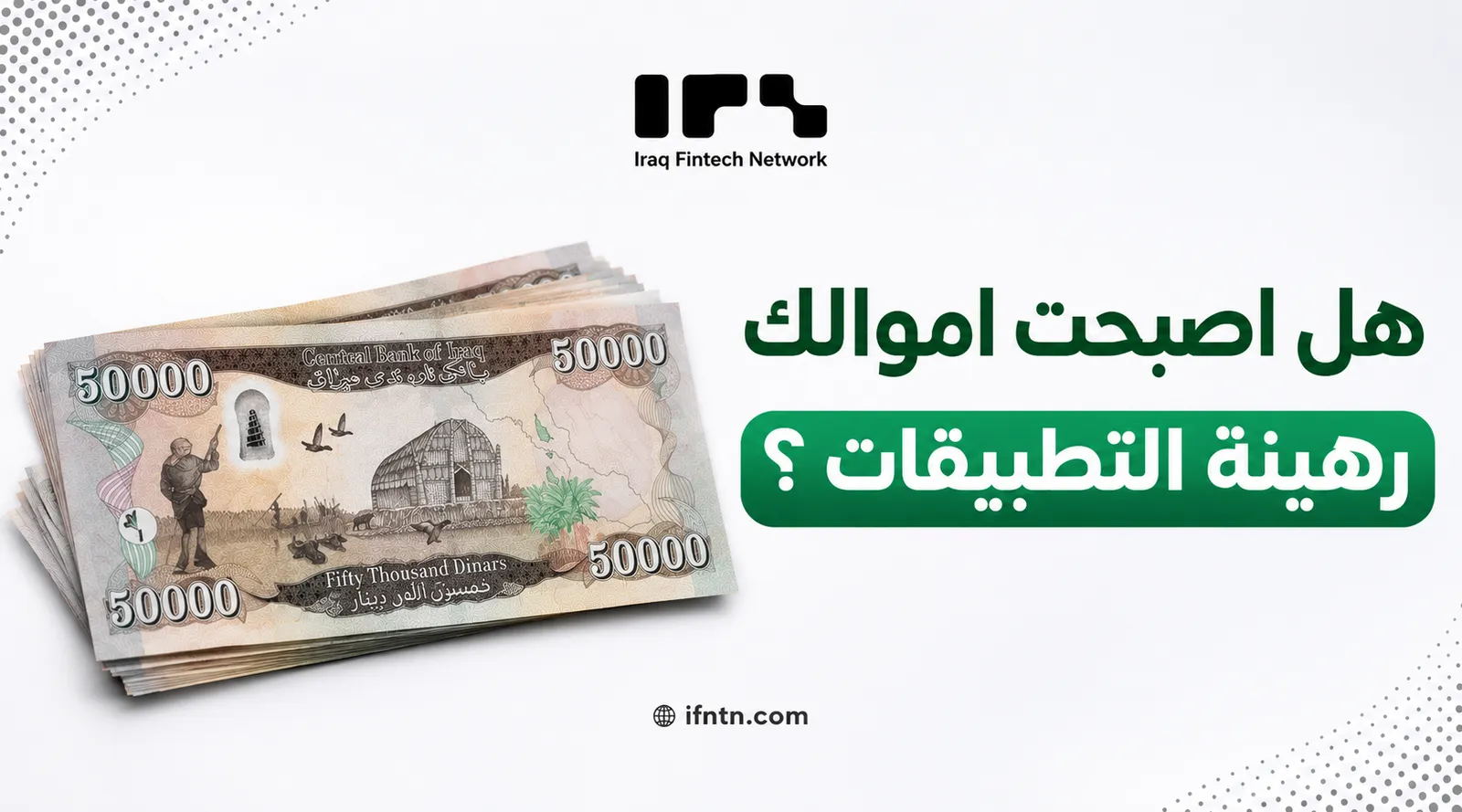
How pending refunds and slow customer support impact user trust in Iraq's e-payment ecosystem, and what banks and fintechs need to close the gap.
In the fintech sector, the best applications and fastest payment gateways can be built, but user trust can crumble in an instant: when an amount is deducted from their account without the transaction being completed, and they are then forced to wait days or weeks for a refund. In Iraq, the issue of pending refunds is no longer a mere technical glitch; it has become a true test of the maturity of the electronic payment system and its ability to retain its users.
Why do pending refunds recur, and how does their impact worsen?
With the increasing use of cards and e-wallets in stores and everyday services, the likelihood of transactions failing due to connection outages, delayed responses between systems, or settlement failures between parties increases. The problem isn't the technical glitch itself—every digital system is susceptible to malfunctions—but rather the absence of quick and transparent refund mechanisms.
When a citizen's money remains stuck without clear notification or a definitive return date, frustration intensifies, especially for those who rely on their daily allowance or monthly salary. This is where the most dangerous factor emerges: the slow pace of technical support. Delayed, formulaic responses or redirecting users from one entity to another transform a simple problem into a crisis of confidence, prompting many to immediately revert to cash because they perceive it as "safer and faster."
Addressing the Gap: From Reactions to a Trusted Experience
Promoting financial inclusion in Iraq isn't achieved solely through expanding devices and applications, but also by safeguarding the customer experience the moment an error occurs. Payment companies and banks need to automate tracking procedures, transparently clarify transaction status within the application, and provide rapid technical support with real authority to resolve issues, not just register complaints.
The Iraqi user isn't demanding impossible technological perfection; they are demanding clarity, fairness, and swift reimbursement of their funds. Whoever is first to make the refund process seamless and provide effective technical support will win the long-term battle for trust in the Iraqi electronic payments market.