

Pay First, Complain Later": Iraq's Electronic Electricity Bills Turn into a Digital Nightmare During the Scorching July Heat
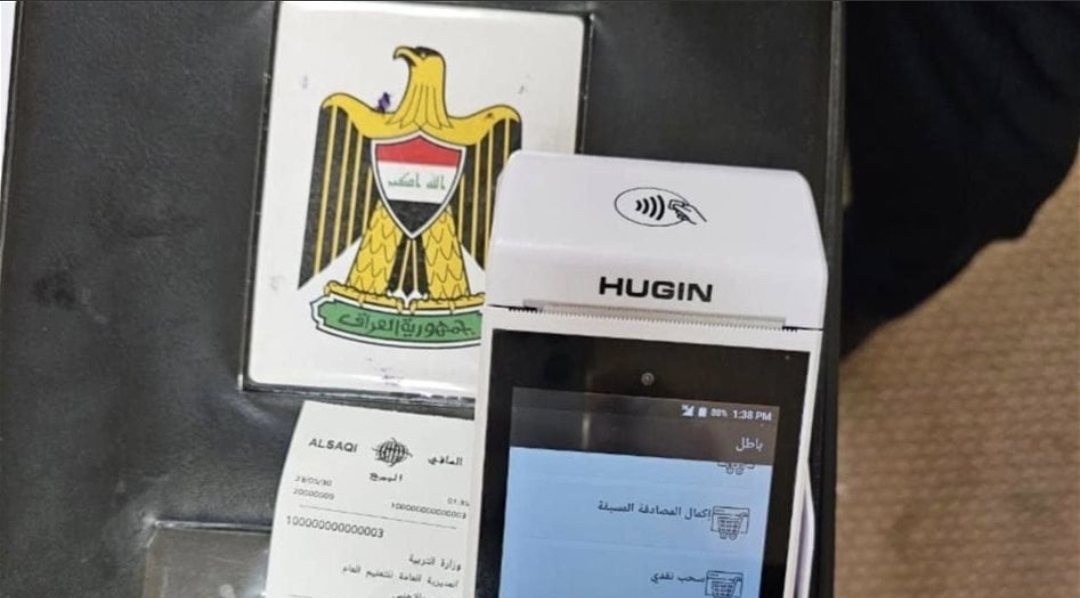
At a time when the government promised citizens a modern digital experience that would eliminate long queues and reduce corruption, Iraqis woke up in July 2026 to a harsh reality. The very system designed to simplify their lives has, for many, become a digital nightmare, issuing electricity bills worth millions of Iraqi dinars that bear little or no resemblance to actual consumption.
Today, many citizens find themselves caught between the immediate threat of power disconnection and a maze of technical failures and unclear accountability shared between the Ministry of Electricity and electronic payment providers. Upon receiving payment notifications demanding exorbitant sums—sometimes as high as IQD 3 million for an ordinary household—customers are often met with a familiar response from service employees: "It's a system error. Pay now, then file an objection later."
Many Iraqis view this approach as a form of coercive billing, forcing consumers to pay disputed amounts simply to avoid losing electricity during the country's extreme summer temperatures. The absence of effective technical coordination has left citizens trapped between electricity departments, software developers, and application support teams, with no clear mechanism for resolving billing disputes.
The situation has fueled growing public frustration and undermined confidence in Iraq's digital transformation efforts. For many, the experience has raised a troubling question: Has technology in Iraq become another way to drain citizens' pockets under the banner of modernization and digitalization?