

Nothing More Than Ink on Paper? Central Bank Meetings on One Side, Iraqis’ Daily Struggles with the Digital Payment System on the Other
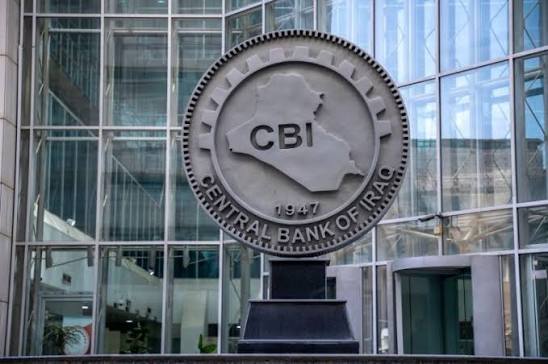
While elegant conference halls at the Central Bank of Iraq (CBI) continue to host lengthy discussions and ambitious promises, many Iraqis remain frustrated by the persistent technical failures affecting the country's digital payment infrastructure.
On 21 July 2026, the CBI Governor chaired an expanded meeting with representatives of electronic payment companies to discuss ways of enhancing the national payment ecosystem. However, outside these official meetings, citizens and businesses continue to grapple with recurring system outages that have become an everyday reality.
Across fuel stations and retail outlets, Point-of-Sale (POS) terminals frequently become unusable due to network interruptions or device malfunctions. Messages such as "Network Unavailable" or "Card Cannot Be Read" have become commonplace, often forcing customers into awkward situations where they are unable to complete purchases and must leave without their goods.
This stark contrast between official reform initiatives and the public's daily experience has prompted economic observers to question whether these meetings are delivering meaningful improvements or merely serving as public relations exercises aimed at projecting progress in Iraq's digital transformation agenda.
Complaints now extend well beyond slow transaction processing. Users have reported delayed settlements lasting several days, while others have raised concerns over missing balances in digital wallets and unresolved payment discrepancies. Such issues have further eroded public confidence in the country's financial technology infrastructure.
For many analysts, official meeting minutes alone will not resolve Iraq's ongoing digital payment challenges. They argue that meaningful progress requires stronger regulatory oversight, rigorous enforcement of service standards, and substantial investment in modernizing payment infrastructure. Without these measures, critics warn that citizens may continue to feel like "guinea pigs" in a digital transformation project launched before the necessary technical foundations were fully in place.