

Is Iraq Really Five Years Behind in Digital Payments?
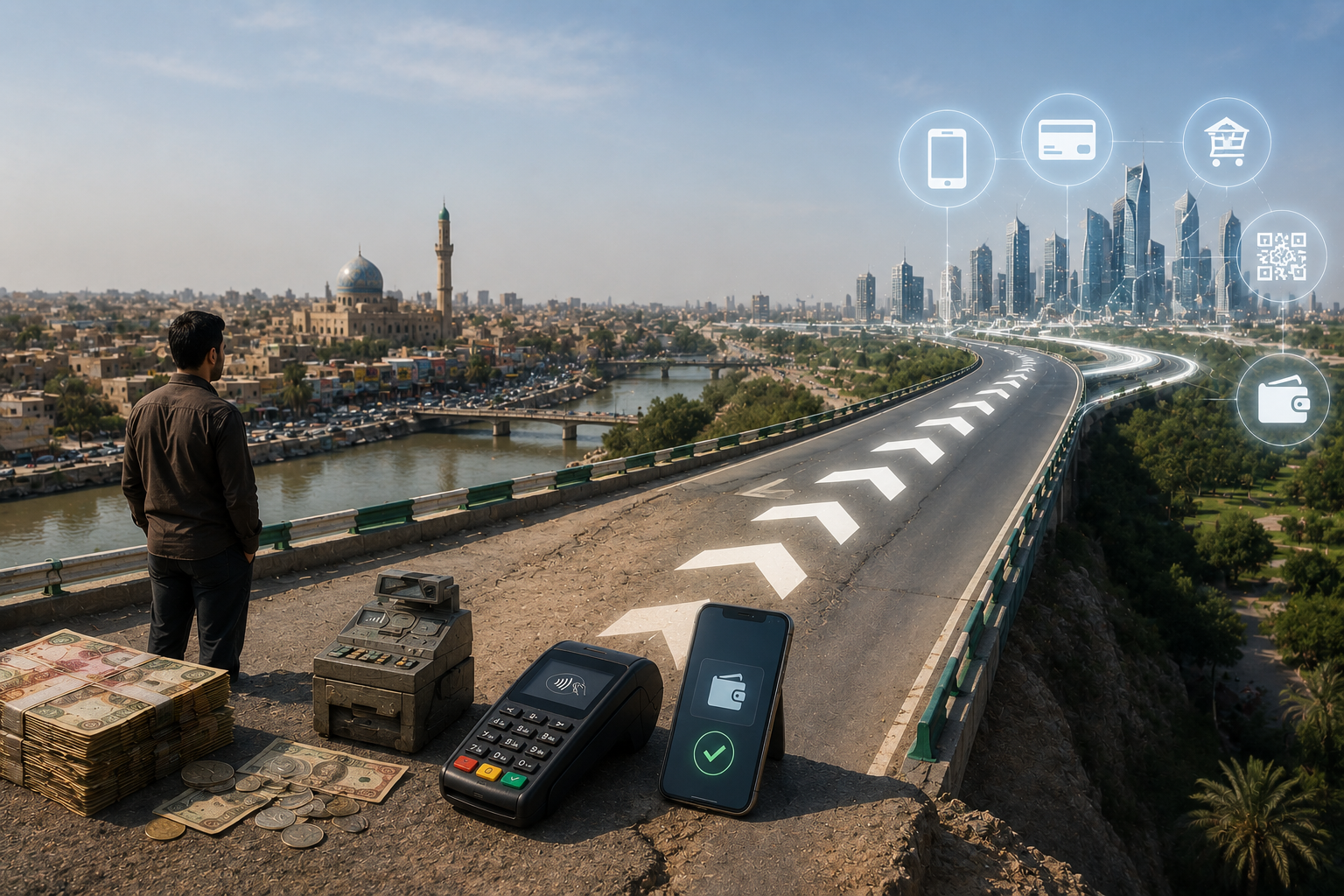
When the CEO of ZainCash recently stated that Iraq needs approximately five years to catch up with neighboring countries in digital payments, he was not speaking about a single company He was describing the current state of an entire industry
But is that estimate accurate?
To answer this question, we first need to look at where Iraq started
Compared with most Gulf countries, Jordan, and even some neighboring markets, Iraq entered the digital payments space relatively late While those countries were expanding digital wallets, increasing card adoption, and introducing mobile payment services, Iraq's economy remained overwhelmingly cash-based
Nevertheless, the past few years have witnessed significant progress
Digital wallet services have expanded, the number of POS terminals has increased, banks have begun launching mobile applications, e-commerce has grown considerably, and Iraqi consumers now commonly encounter multiple payment options across online platforms and retail businesses
Despite this progress, several major challenges continue to slow the pace of transformation compared to more advanced markets
The first challenge is the continued reliance on cash A significant portion of the population still prefers holding and using physical cash, whether because of long-established habits or limited confidence in digital financial services
The second challenge relates to infrastructure Although steady improvements have been made, some areas continue to experience unreliable internet connectivity or limited availability of electronic payment services, restricting their use in everyday transactions
The third challenge is digital financial literacy The success of any payment ecosystem depends not only on the availability of applications or payment cards, but also on users believing that digital payments are easier, safer, and more convenient than cash
At the same time, there are reasons for optimism
The Central Bank of Iraq continues to support digital transformation initiatives The number of fintech companies operating in the country is growing, while e-commerce platforms and delivery applications are increasingly integrating digital payment solutions, gradually expanding the user base
Viewed from this perspective, the five-year estimate may simply represent the opinion of an executive working at the heart of Iraq's digital payments industry Yet it also highlights an important reality:
Digital transformation should not be measured by the number of applications or digital wallets alone Its true success depends on changing consumer behavior, strengthening digital infrastructure, and building greater trust in financial services
The more important question, therefore, is this:
Can Iraq shorten that timeline if current investments and reforms continue, or will existing structural challenges make the country's digital transformation journey longer than many expect?