
Iraq’s Digital App Race: Who Will Succeed in Building the Largest User Ecosystem?
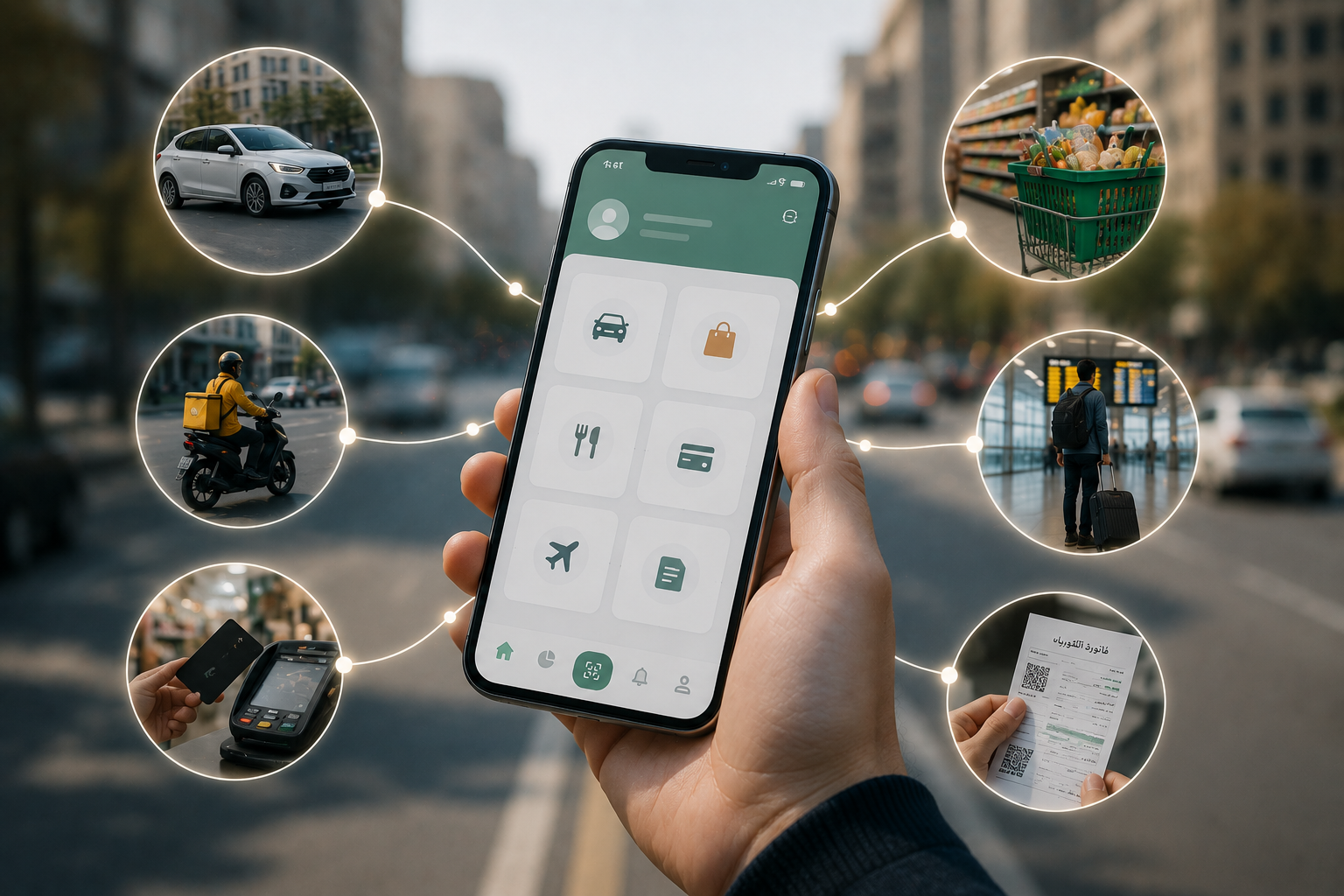
Digital applications in Iraq are no longer satisfied with offering just a single service. The market is witnessing a clear shift toward what is globally known as “super apps” — platforms that aim to keep users a single ecosystem combining transportation, payments, shopping, and various daily services
.
This transformation has become more visible throughout 2026, as several Iraqi and regional applications expand within the local market, with each platform attempting to build an integrated digital system that encourages users to rely on the app continuously in their daily lives.
Competition today is no longer only about offering a service, but about controlling user time, daily experience, and spending behavior.
From Specialized Apps to Integrated Ecosystems
A few years ago, applications in Iraq operated separately. One app focused on transportation, another on travel, and another on payments or financial services.
Today, however, the market is moving in a different direction. Applications no longer want to function as simple tools for completing a single task; instead, they aim to become integrated platforms that keep users engaged for as long as possible.
This idea forms the foundation of the “everything app” model that previously expanded in several global markets and is now gradually emerging within Iraq.
Baly: Daily Usage Creates an Advantage
Baly originally began as a smart transportation platform, but gradually expanded into food delivery and additional daily services.
What gives this type of application an advantage is repeated daily use. Users may open the app several times per day, whether to request transportation or delivery services, allowing the platform to build an ongoing relationship with users.
Applications based on frequent daily interaction gain a significant edge because they become part of the user’s routine rather than a temporary or seasonal service.
The integration of digital payment tools within these apps also strengthens their direct connection to fintech services.
Al Sindbad: Focusing on the Traveler Experience
On the other hand, Al Sindbad chose a different direction. The platform focused primarily on travel and tourism services before gradually expanding into additional solutions targeting Iraqi travelers, including:
- Flight bookings
- Hotel reservations
- Digital services related to travel
- Specialized solutions for Iraqi users abroad
This model relies more on specialization than on daily engagement, but it targets a segment with continuous demand for travel-related digital services.
Al Sindbad aims to create an integrated travel experience rather than offering a single standalone service, making it part of the new competitive landscape within Iraq’s digital market.
SuperQi: Expanding Through Financial Services
SuperQi followed a somewhat different path. Unlike transportation or travel platforms, it originated directly from financial services.
Its large base of Qi Card users provided the application with a strong advantage, especially as digital services linked to payments, bill settlements, and transfers expanded.
The concept here revolves around transforming the application from a financial tool into a broader ecosystem that includes:
- Payments
- Shopping
- Digital services
- Mini-applications and integrated services داخل the platform itself
This model resembles global financial applications attempting to evolve into fully integrated digital ecosystems.
Why Have These Applications Become Important?
The importance of these applications is not limited to services alone, but also to data.
An application that understands:
- What users purchase
- Where they go
- How they pay
- When they use services
has a stronger ability to analyze user behavior and develop services more closely aligned with user needs.
For this reason, these applications have become among the most important competitive models within the global fintech sector.
The Iraqi Market Is Entering a Different Phase
Iraq was relatively behind some countries in adopting this type of platform, but current developments indicate the beginning of a new phase.
Applications are no longer competing solely on services, but on building integrated digital ecosystems that encourage users to rely on the app across multiple aspects of daily life.
This transformation could significantly reshape competition in the coming years, especially with the growing adoption of smartphones and digital services.
Can This Model Succeed in Iraq?
Despite current expansion, clear challenges still face this type of application within Iraq, including:
- Heavy dependence on cash
- Limited trust in some digital services
- Infrastructure and internet issues
- Difficulty maintaining quality across all services within one application
Iraqi users also continue to compare applications heavily in terms of speed, ease of use, and pricing.
Privacy and Competition Move to the Forefront
As these platforms expand, questions regarding privacy and the scale of user data collection are becoming more prominent.
The broader the range of services inside a single application, the greater the amount of information gathered about user behavior, spending patterns, and daily activities.
This opens the door to future discussions surrounding:
- Data protection
- Privacy
- Regulation of the digital market
- Competition between companies
Could Future Mergers Appear?
Some specialists believe the Iraqi market may witness greater integration between applications and financial services in the future as competition intensifies.
Applications may increasingly move toward:
- Partnerships
- Integration with digital wallets
- Collaboration with banks
- Adding financial services into daily-use platforms
Because future competition will not revolve around the “best app” alone, but around the app capable of keeping users engaged for the longest time possible.
Conclusion
What is happening today in Iraq is not simply the expansion of transportation or payment applications, but the beginning of a transformation toward integrated digital ecosystems built around daily services and financial technology simultaneously.
Baly, Al Sindbad, and SuperQi represent clear examples of this transformation, though the market remains open to additional applications and digital services seeking to establish their presence within Iraq’s rapidly evolving digital landscape.
As digital services continue expanding across Iraq, competition in the coming years may shift from standalone service applications toward integrated digital systems that drive a significant part of the local digital economy