
Iraqi Fintech Does Not Suffer From a Lack of Applications… But From a Daily Stability Crisis
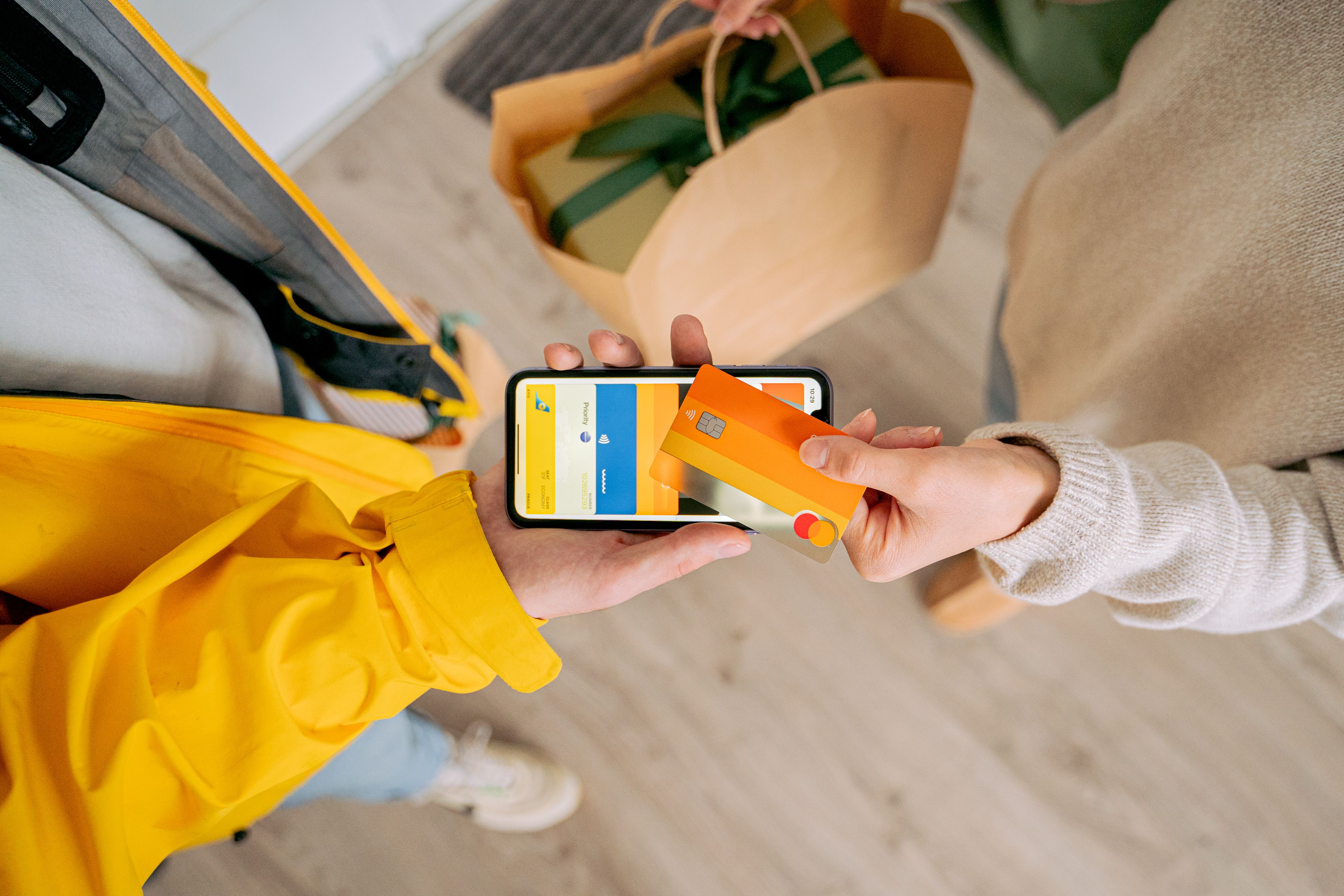
Over the past few years Iraq has witnessed a clear explosion in the number of fintech and digital transformation services and applications
Digital wallets have become more widespread POS devices have entered thousands of stores and delivery applications have gradually started transforming into mini financial platforms offering electronic payments and digital services on a daily basis
On paper the scene appears as if Iraq is genuinely moving toward a less cash-dependent economy
But behind this image lies a problem Iraqi users know very well — even if it is not discussed frequently in conferences and official statements
The problem is not the lack of applications
It is not the shortage of services
And it is not even weak user interest in technology
The real issue has become something much simpler — and much more dangerous:
Stability
Because Iraqi users may download the application believe in the idea and try to use the service… only to suddenly face an unstable daily experience that starts with internet connectivity and does not end at the payment process itself
The Iraqi Market Is Full of Services… But the Experience Still Feels Fragile
In recent years dozens of digital services entered the Iraqi market
Payment applications digital wallets transfer services POS systems installment solutions delivery apps connected to payments and even projects discussing the creation of super apps combining multiple services within one platform
Yet despite all this expansion many users still feel the digital experience inside Iraq is not stable enough to rely on completely
On some days services work smoothly
On other days an entire payment process may fail because of weak connectivity the application may freeze during use transaction confirmation may be delayed or users may have to retry the process several times while standing in front of a cashier and a waiting line behind them
And this is where the real problem begins
Because Iraqi users are no longer comparing local applications only with older services
They are comparing them with the digital experiences they see globally every day through the internet and social media — and with the speed of services in other countries
Iraqi Users Do Not Want Technology Alone… They Want Comfort
One of the biggest mistakes some companies made was believing that simply launching an application would automatically turn users into loyal customers
But Iraqi users are not looking for technology for the sake of technology itself
They are looking for:
- Speed
- Trust
- Simplicity
- Stability
- Daily convenience
If users need to retry a simple process several times just to complete it the entire experience gradually starts collapsing regardless of how strong the marketing campaign is
In fintech trust is not built through advertisements alone
It is built through the small daily details users experience repeatedly
Because even one bad experience — no matter how short — may immediately push users back toward cash
The Internet Has Become Part of the Crisis
In Iraq internet quality still varies significantly from one area to another — and sometimes even from one street to another inside the same city
This directly affects digital services
POS devices require stable connectivity
Applications need fast response times
Drivers inside delivery platforms need continuous internet access
And users want transactions to succeed within seconds — not to stand waiting in front of a Loading… screen
The problem is that any failure within this chain instantly affects the image of the service itself
And users usually do not care whether the issue comes from:
- The internet provider
- The telecom company
- The application
- The bank
- Or the infrastructure itself
For them the result is always the same:
The service does not work normally
Some Companies Are Building Advanced Services on Top of an Unstable Environment
What is particularly interesting is that the Iraqi fintech market has started showing extremely ambitious goals
There is increasing discussion about:
- Cashless economies
- Digital transformation
- Smart services
- Artificial intelligence
- Super applications
- Integrating multiple services into one platform
But at the same time some fundamental problems still remain unresolved
And here lies the contradiction
Some companies are trying to build highly advanced services on top of a technical environment that still suffers daily from problems related to:
- Connectivity
- Stability
- Response speed
- And even user trust itself
It is as if the market is attempting to jump into advanced stages before fully stabilizing the foundation
The Most Dangerous Part of the Problem Is Normalization
Perhaps the biggest issue is not the outages themselves — but users becoming accustomed to them
When it becomes normal that:
- A payment process fails occasionally
- An application suddenly freezes
- Employees must retry transactions several times
- Or customers are asked to pay cash because of weak connectivity
Then the market starts adapting to instability instead of treating it as a temporary issue that must be solved
And this may slow the growth of Iraqi fintech more than many expect
Because digital economies do not rely only on the existence of applications
They rely on users feeling that the service is reliable every single time
Conclusion
Today Iraq does not suffer from a shortage of fintech applications nor from weak interest in digital services
The market is genuinely moving forward and Iraqi users are more willing to try new solutions compared to previous years
But the real challenge is no longer launching more applications
It is building a stable experience users can rely on daily without fear of interruption failure or unstable transactions
Because the future of Iraqi fintech will not be determined by the number of applications available in the market…
But by the ability of those services to operate consistently in the real daily lives of Iraqi users