

Iraq Moves Toward Digital Dinar to Address Liquidity Challenges and Modernize Monetary Policy
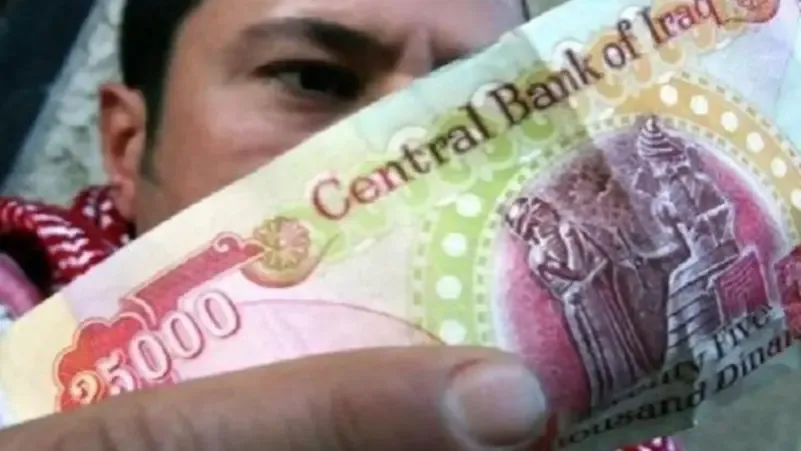
Iraqi Prime Minister’s Advisor Mudher Mohammed Saleh has described the digital dinar as a promising strategic project, while stressing that it should not be viewed as a standalone solution to Iraq’s liquidity crisis.
Saleh explained that a sovereign digital currency would not involve creating a new currency, but rather issuing a digital form of the Iraqi dinar that could be used electronically through digital wallets and bank accounts, while maintaining the same value as the physical dinar.
He said the digital dinar’s key benefits would include reducing reliance on cash, lowering the costs associated with printing, transportation, and security, accelerating payment transactions, and promoting financial inclusion. It could also help curb the informal economy and related activities such as tax evasion and money laundering.
Saleh cautioned against overstating the digital dinar’s potential role in resolving the liquidity crisis, noting that the issue is linked to broader structural factors, including the composition of the state budget, levels of public spending, and citizens’ confidence in the banking system.
He added that the Central Bank of Iraq (CBI) has already made significant progress in digital transformation through the expansion of electronic payment systems and digital wallets.
Saleh stressed that the successful introduction of a central bank digital currency (CBDC) would require the completion of an appropriate legal and regulatory framework, stronger cybersecurity measures, and the development of adequate technological infrastructure.