

Iraq 2026: Has Financial Technology Truly Begun to Reshape the Economy?
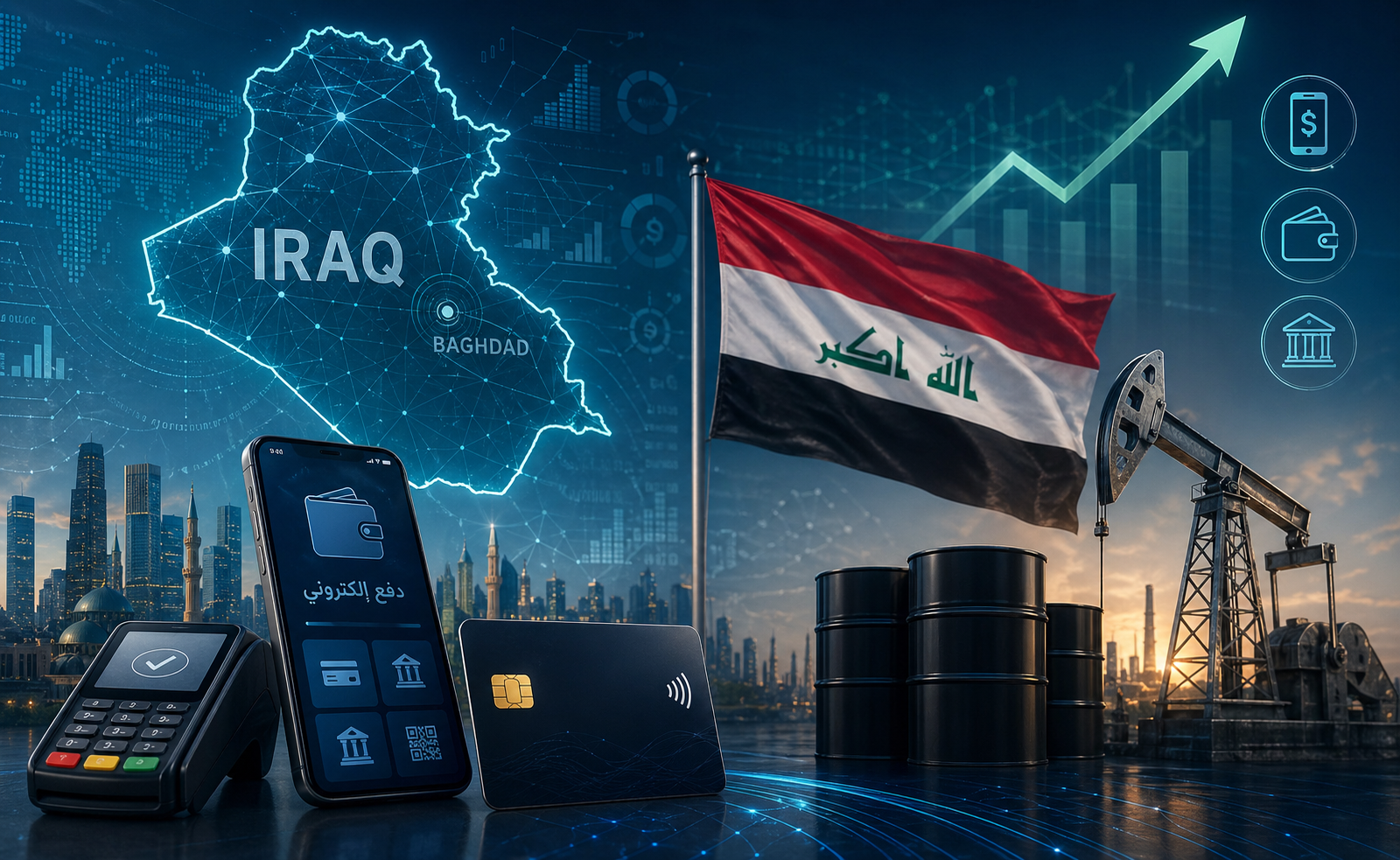
Financial technology (Fintech) in Iraq is no longer just an idea linked to digital wallets or mobile payments. It is gradually becoming a core part of rebuilding the national economy, reducing reliance on cash, and improving the relationship between citizens and financial institutions
In a country that has relied for decades on a direct cash-based economy and continues to face complex banking and structural challenges, the shift toward digital financial services has become more of an economic necessity than a technological choice.
As 2026 unfolds, clear indicators show that Iraq has indeed entered a new phase—one defined by the digital economy and financial inclusion.
An Oil-Dependent Economy Searching for Alternatives
Iraq’s economy still depends heavily on oil, with oil revenues accounting for more than 90% of state income and exports. This makes the economy highly vulnerable to fluctuations in global energy prices.
This reality has pushed the government and the Central Bank of Iraq to search for new tools that can help diversify the economy and reduce dependence on traditional systems. One of the most important of these tools is the support of financial technology and digital transformation.
Moving from a cash-based economy to a digital one does not only mean making payments easier—it also means reducing corruption, increasing transparency, and improving financial resource management.
From Cash to Digital Payments
For many years, cash remained the main method for daily transactions in Iraq—whether for salaries, markets, or even government dealings.
Weak trust in banks, limited bank account ownership, and underdeveloped banking infrastructure made Iraq one of the most cash-dependent economies in the region.
But the picture has started to change.
The spread of digital wallets, the increase in Point of Sale (POS) devices, and the wider use of bank cards all indicate the beginning of a real transformation in market behavior.
Salary localization programs and the shift of government salaries and pensions to electronic payment systems have also played a direct role in pushing citizens toward digital financial services.
The Central Bank Leads the Scene
The Central Bank of Iraq plays a central role in this transformation through clear policies aimed at building a more stable digital financial environment.
Among the most important steps are:
- Expanding electronic payment systems
- Supporting digital wallets
- Regulating electronic payment companies
- Developing financial inclusion programs
- Strengthening oversight of financial service providers
- Studying future Open Banking frameworks
This direction is not only about modernizing the banking system, but about creating a more efficient financial ecosystem with less dependence on direct cash transactions.
Financial Inclusion… The Biggest Challenge
Despite clear progress, Iraq’s level of financial inclusion remains relatively low compared to other countries in the region.
A large number of citizens still do not have formal bank accounts, and trust in financial institutions remains a major obstacle to sector growth.
The reasons are multiple:
- Historical dependence on cash
- Limited financial literacy
- Weak banking services outside major cities
- A large informal economy
- Fear of banking procedures
This is where fintech becomes important—not only as a payment method, but as a new gateway for bringing large segments of society into the formal financial system.
Who Is Leading the Market Today?
The main players in Iraq’s fintech market are still concentrated in payments and government-linked services such as salaries and benefits.
Among the most notable names are:
- Qi Card
- Zain Cash
- FastPay
- AsiaHawala
These companies no longer provide only money transfer services—they have become part of the daily economic infrastructure of Iraqi citizens, especially in salaries, social support, government payments, and e-commerce.
Is Iraq Ready for the Real Fintech Stage?
The closest answer is: yes, but with conditions.
The success of financial technology depends not only on apps and platforms, but on:
- Building trust
- Updating regulations
- Developing banking infrastructure
- Protecting users
- Raising financial literacy
- Supporting local innovation
Fintech cannot succeed in an environment lacking regulatory stability, nor can it become a truly influential sector without real cooperation between the government and the private sector.
Conclusion
Iraq is not experiencing a rapid fintech boom like some Gulf countries, but it is moving along a different and more realistic path: the gradual construction of a digital financial system capable of serving the real economy.
The shift from cash to digital wallets is not just a technical upgrade—it is a strategic step toward rebuilding trust, improving transparency, and creating a more inclusive and stable economy.
In 2026, financial technology no longer appears to be just an emerging sector in Iraq—it has become part of the country’s economic future itself