

How Digital Financing Solutions Can Address the Difficulty Iraqi Small Businesses Face in Obtaining Traditional Loans
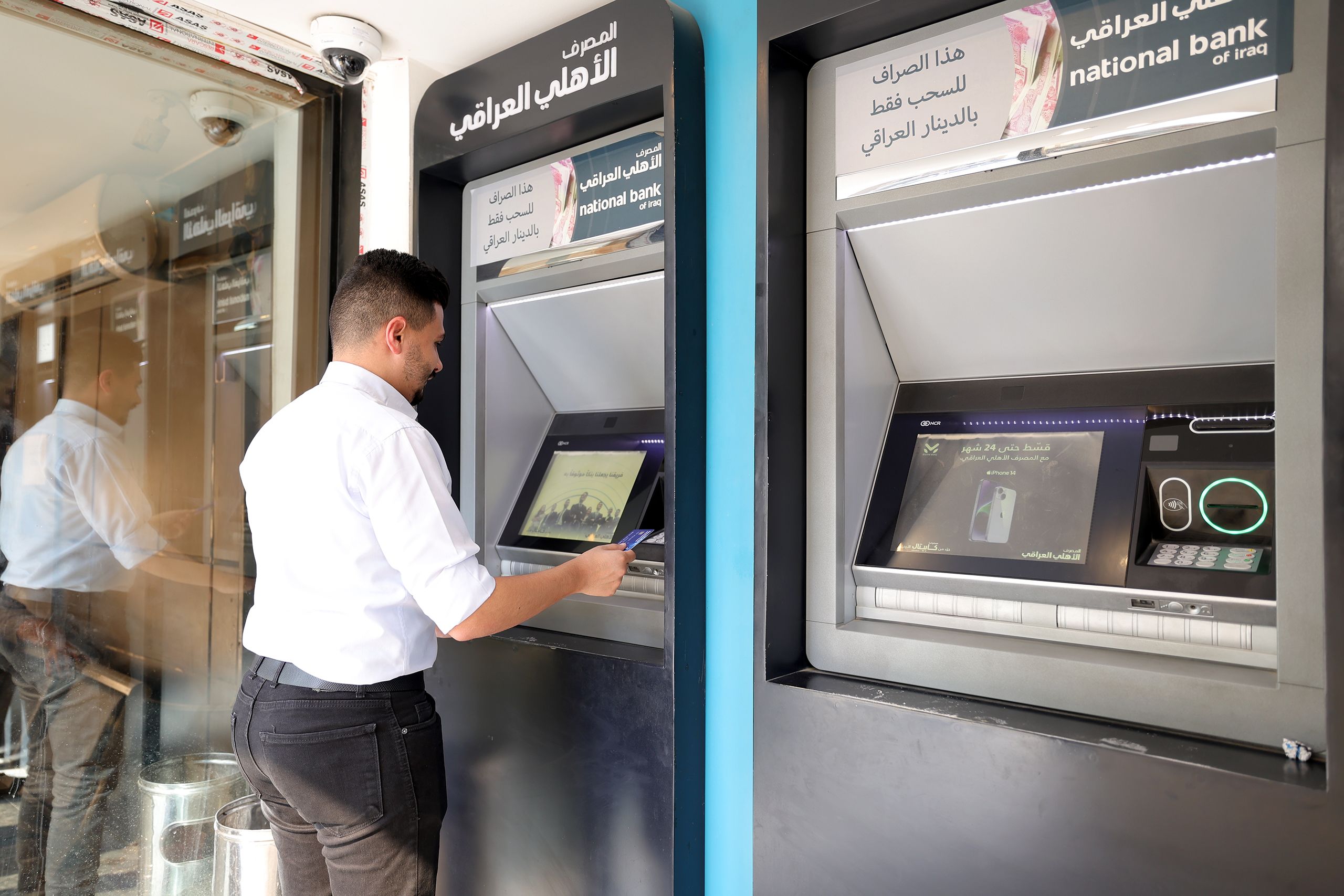
Financing is one of the biggest obstacles facing small and medium-sized enterprises (SMEs) in Iraq. Many of these businesses are unable to meet traditional banking requirements related to real estate collateral or formal credit histories, even though they may be profitable and capable of growing if they receive the right financing at the right time.
Where Does the Problem Lie with Traditional Financing?
Traditional banks typically assess financing applications based on relatively rigid criteria, such as real estate collateral or guarantees from formally employed individuals. These requirements do not suit many small businesses run by young people or women who do not own registered real estate assets, even when their businesses have demonstrated strong and consistent performance for years.
How Can FinTech Offer a Different Alternative?
Digital financing solutions around the world are increasingly relying on alternative data to assess creditworthiness, such as the volume and frequency of digital financial transactions conducted by a business owner through their wallet or business account, rather than relying solely on traditional collateral.
If implemented effectively in Iraq, this model could open the door to financing for a broad segment of small traders who have a documented digital financial history through their regular use of electronic payment tools.
The Importance of Building a “Digital Financial History”
Every payment transaction made by a small business owner through a digital platform—from receiving customer payments to paying suppliers—becomes part of a digital record that could eventually be used as a basis for assessing their repayment capacity.
This makes the transition to digital payments valuable beyond the convenience of the transaction itself. It gradually helps business owners build a financial record that can open the door to future financing opportunities.
Short-Term Financing Models Suited to the Local Market
Rather than traditional long-term loans with complex procedures, small businesses in Iraq may benefit more from short-term financing models with rapid disbursement. These could cover seasonal needs, such as purchasing additional inventory ahead of a peak sales period, while offering flexible repayment mechanisms linked to the business’s actual sales volume rather than a fixed monthly payment that may be difficult to maintain during weaker months.
What Does the Sector Need to Grow?
FinTech-based financing for small businesses in Iraq requires greater awareness among business owners themselves about the importance of digitally documenting their business activities. It also requires a regulatory environment that encourages new digital financing companies to enter the market under clear rules that protect borrowers from excessive interest rates.
This would ensure that digital financing remains a genuine support tool for small businesses rather than becoming an additional financial burden.