

Have Some Electronic Payment Companies in Iraq Failed to Build Trust with Users?
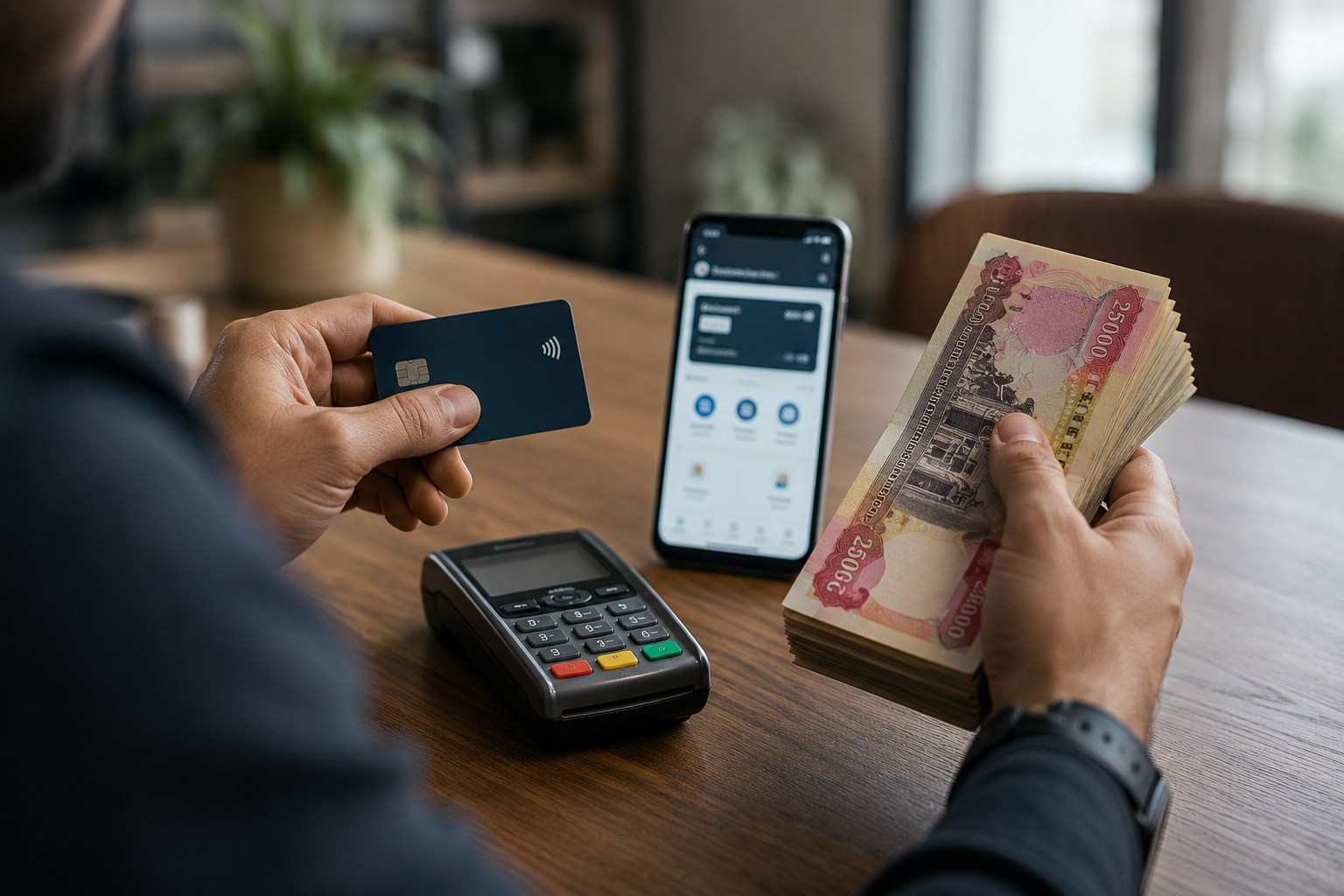
Iraq’s electronic payment sector has experienced rapid growth in recent years, with electronic wallets and payment cards becoming part of daily life for millions of Iraqis Despite this expansion, however, the issue of trust remains highly relevant
When salaries are deposited into payment cards, many users immediately withdraw the full amount When technical issues or transaction delays occur, complaints quickly spread across social media Many users still prefer holding their money in cash rather than keeping it in wallets or financial accounts
This does not necessarily mean that electronic payment companies have failed However, they face a significant challenge in building long-term relationships with users
Trust in financial services is not built through advertising campaigns alone It is built through everyday user experiences Customers want to feel that their money is secure, that services operate reliably, and that support is available when needed
Many users also compare marketing promises with the actual service they experience When a gap emerges between expectations and reality, trust begins to erode
At the same time, several companies have successfully expanded their user bases and continuously introduced new services Nevertheless, Iraq remains in the process of building digital trust—a process that requires time, consistency, and continuous improvement
The real question today is not how many people own a payment card or an electronic wallet, but how many trust these services enough to rely on them completely