

FastPay: Beyond the "All-in-One" Wallet Label
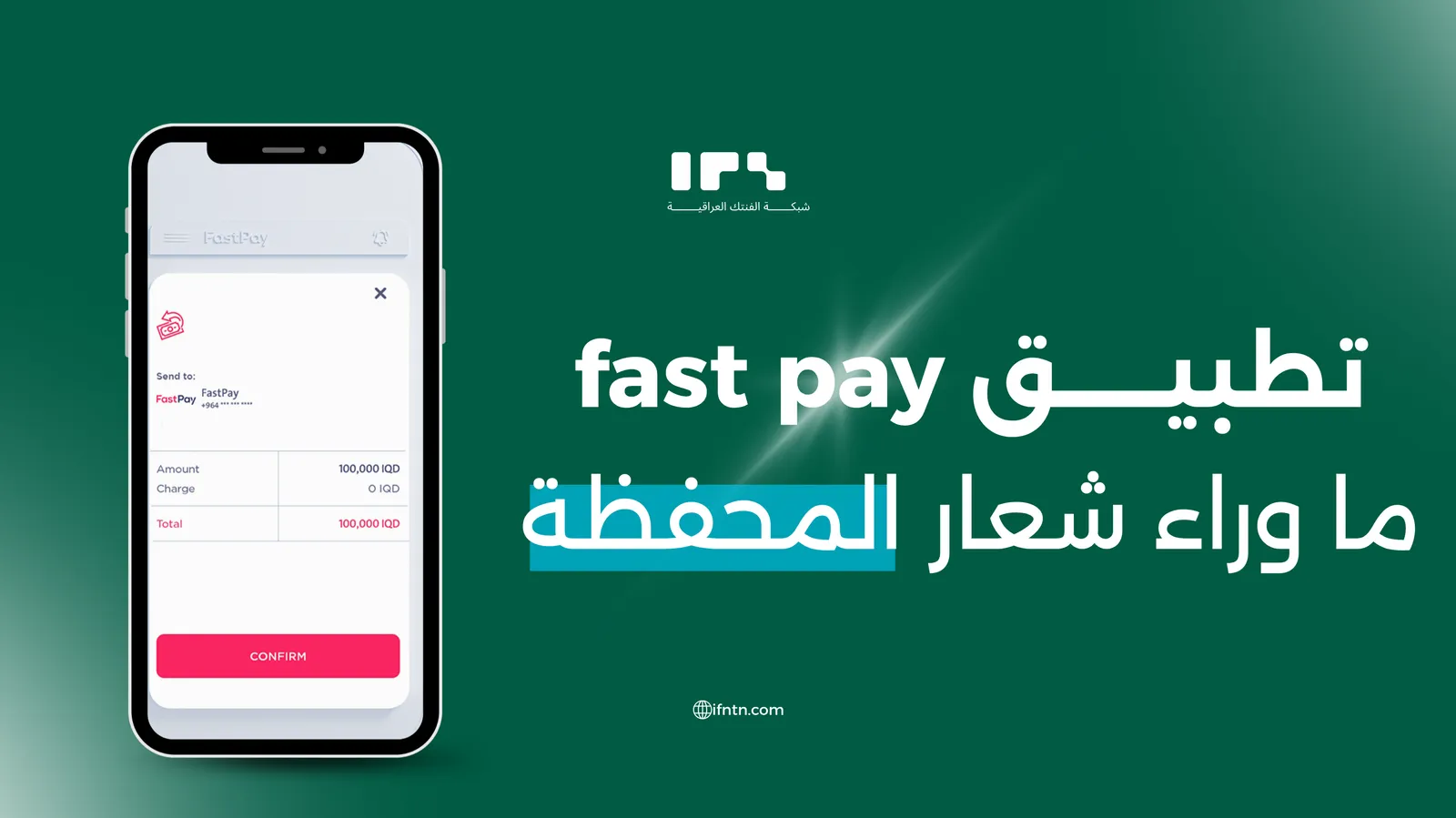
In the Iraqi market, the FastPay application positions itself as an "all-in-one" digital wallet, encompassing money transfers, mobile top-ups, and electronic payments. However, a technical examination reveals a product with a more limited scope than its marketing suggests. Within Iraq, the wallet functions efficiently: it enables instant peer-to-peer transfers via phone number or QR code, mobile balance top-ups, the purchase of internet data vouchers, and payments at participating merchant outlets. Users can also deposit or withdraw funds through the company’s branches and agents, or via the First Iraqi Bank. Conversely, a key feature sought by many users is missing; the official FAQ page explicitly states that international money transfers are currently not supported, restricting the wallet’s utility exclusively to domestic use.
In the Iraqi market, the FastPay application positions itself as an "all-in-one" digital wallet, encompassing money transfers, mobile top-ups, and electronic payments. However, a technical examination reveals a product with a more limited scope than its marketing suggests. Within Iraq, the wallet functions efficiently: it enables instant peer-to-peer transfers via phone number or QR code, mobile balance top-ups, the purchase of internet data vouchers, and payments at participating merchant outlets. Users can also deposit or withdraw funds through the company’s branches and agents, or via the First Iraqi Bank. Conversely, a key feature sought by many users is missing; the official FAQ page explicitly states that international money transfers are currently not supported, restricting the wallet’s utility exclusively to domestic use.
The only documented regulatory strength for the service stems from the Kurdistan Region. The "e-Psûle" platform—a government initiative launched by the regional administration on February 10, 2026, and recognized by the Central Bank of Iraq—has integrated FastPay for electricity bill payments, a partnership the company has also promoted as a feature within its app. This government endorsement provides FastPay with a legal and institutional framework that many competing wallets lack, making it a practical choice for settling government bills within the region. However, this achievement is undermined by a contradiction in information that damages credibility. The company’s official FAQ page still denies the possibility of paying electricity, water, and gas bills—even though both the government and the company itself state otherwise. This means that the official documentation provided to users is outdated, leaving consumers in a state of uncertainty before every payment.
The most significant flaw in the user experience is a lack of digital transparency. The official website promotes a "lowest fees in the market" guarantee, yet fails to publish a clear schedule of fees or transaction limits. The FAQ section merely states that limits vary based on "various factors"—without specifying what those factors are or what levels of identity verification are required. This approach forces users to discover the actual costs only at the moment of executing a transaction within the app, which runs counter to the most basic standards for fintech services. Furthermore, there is frequent confusion between the digital wallet and the prepaid FastPay Mastercard. The latter is a distinct product—accepted both locally and internationally at the Central Bank’s exchange rate—but it carries its own specific fee structure, including a 3% currency conversion commission, as well as other charges and transaction limits. The existence of this card does not mean that the digital wallet itself has gained the capability for international transfers.
Consequently, FastPay can be accurately categorized: it is an effective tool for small, frequent local transactions—particularly for residents of the Kurdistan Region paying electricity bills via e-Psûle, for small merchants who need to accept payments via QR codes, and for users who have a service agent located nearby. As for serving as a substitute for a bank account, a tool for international transfers, or a means for large-value transactions, it is not currently equipped for such purposes. Before relying on it, users must manually verify the applicable fees, transaction limits, and the availability of the required service within the application itself, as information published outside the app is either too general or contradictory.