
Expanding Integration Between Digital Wallets and Banking Cards Reflects a Shift in Iraq’s Digital Payments Market
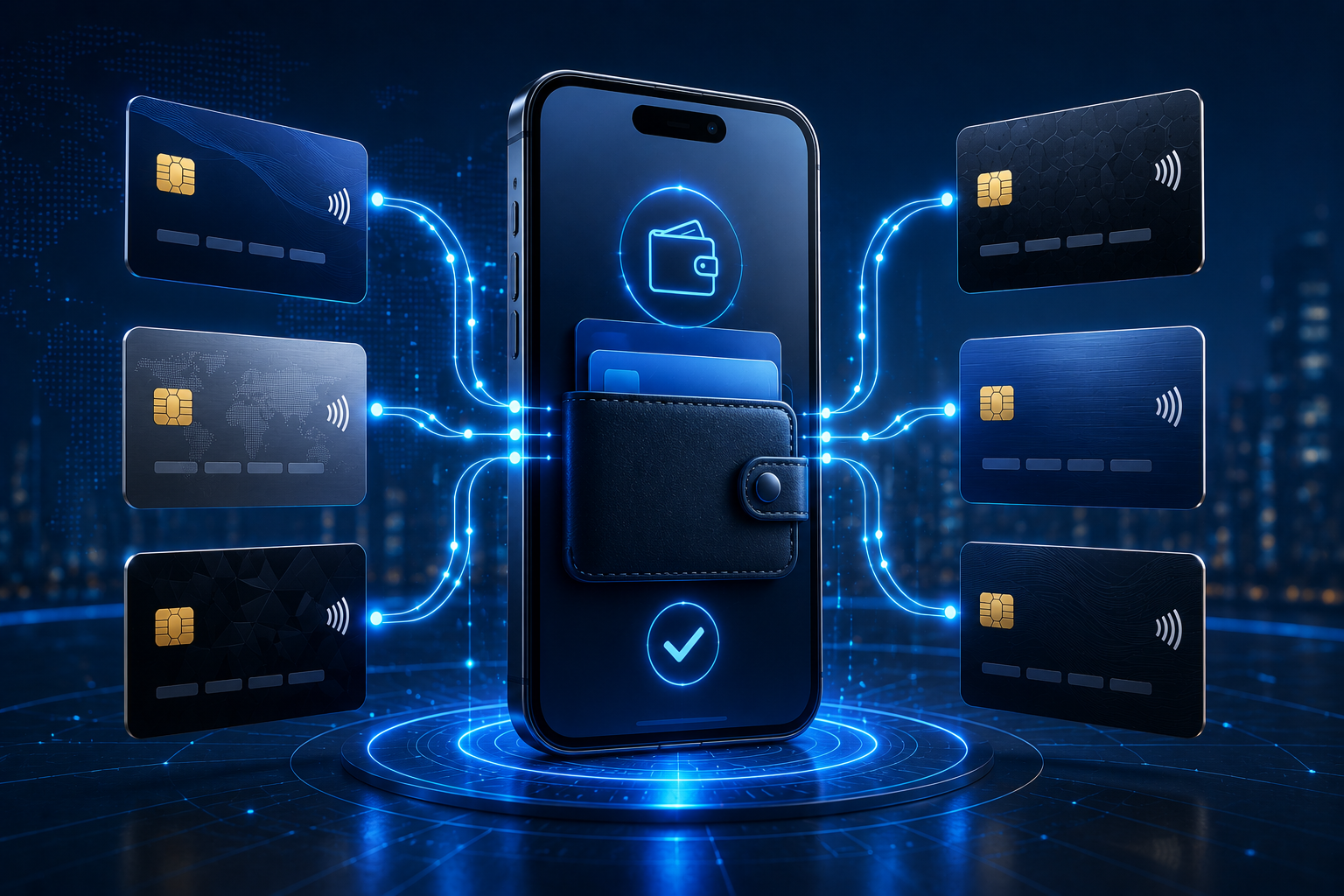
Recent months have witnessed noticeable growth in the integration between certain digital wallets and banking cards in Iraq, reflecting a gradual shift in the structure of digital financial services and how they are used
Although these updates are not entirely new, they highlight an important direction within the market: making financial services more connected, accessible, and convenient for users.
From Separate Services to Connected Systems
In previous years, digital wallets and banking cards often operated as relatively separate services, with users relying on each independently.
Today, however, the market is moving toward linking these tools together, allowing users to:
- Top up digital wallets directly from banking cards
- Complete payments more easily
- Reduce the need for cash withdrawals
- Manage money through integrated applications and services
This trend reflects an evolution in how financial services are being designed within Iraq.
Why Is This Shift Important?
The importance of this transformation is not limited to the technology itself, but extends to the overall user experience.
The easier payment and transfer processes become, the more likely users are to rely on digital solutions instead of cash.
This means that connecting wallets with banking cards could contribute to:
- Increasing the use of digital financial services
- Reducing dependence on cash transactions
- Simplifying the user experience
- Expanding the use of financial applications
The Iraqi Market Is Still in a Transitional Phase
Despite these developments, Iraq remains heavily dependent on cash, and many users still approach digital financial services with caution.
For this reason, any improvement that simplifies the user experience is considered important, even if it appears technically simple.
The core issue in the market is not always the availability of services, but rather how easy they are to use and how much users trust them.
The Beginning of a New Phase for Iraqi Fintech?
What is happening today may signal the beginning of a different phase within Iraq’s fintech sector. Competition is no longer based only on the number of users or service expansion, but increasingly on:
- Ease of system integration
- Transaction speed
- User experience
- Service flexibility
These elements have become central factors in global fintech competition.
Could This Change User Behavior?
The impact may not appear immediately, but it could gradually reshape how users interact with financial services.
The simpler and faster financial operations become, the greater the likelihood that digital payments will turn into a natural part of everyday life rather than an optional alternative.
Conclusion
The growing integration between digital wallets and banking cards in Iraq reflects an important transformation in the way digital financial services are being built, signaling that the market is moving toward more integrated and flexible systems.
Although the path toward a fully digital economy remains long, these developments may play a significant role in reshaping financial transactions in the years ahead