
Digital Wallets in Iraq: A Comprehensive Guide to Comparing the Most Popular Options
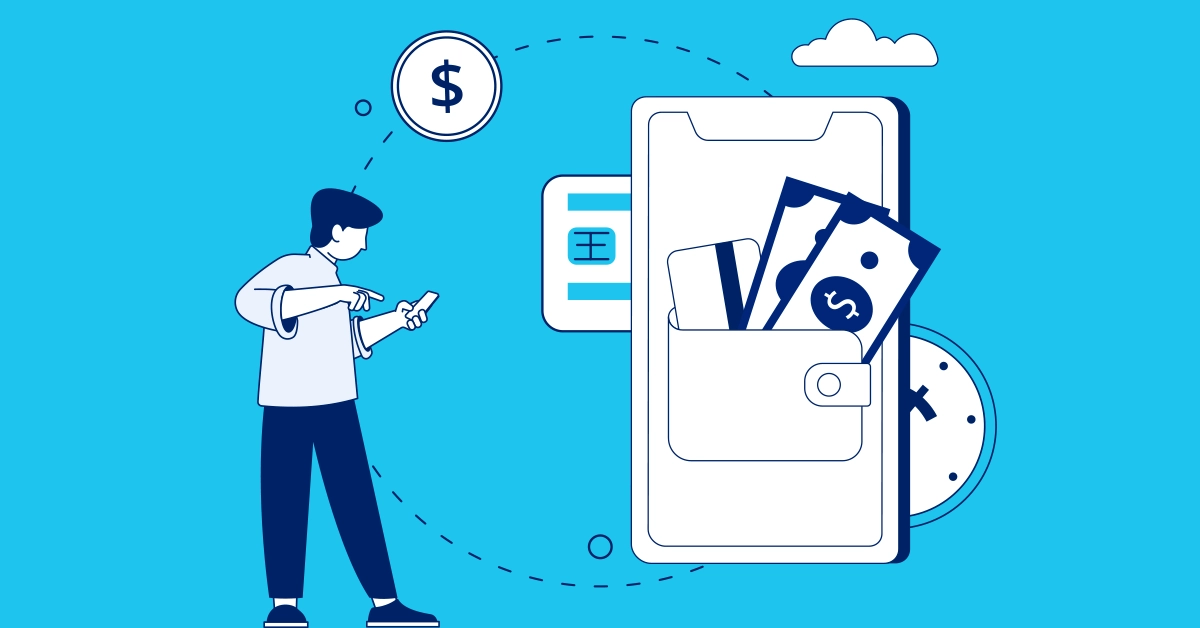
As the number of digital payment service providers in Iraq continues to grow, consumers now have a wider range of options. These services differ in terms of fees, service networks, and additional features such as instant wallet-to-wallet transfers and integration with e-commerce platforms.
Wallets Linked to Telecommunications Companies
This category is known for its convenient activation using a mobile phone number, as well as its extensive network of cash-in and cash-out points across Iraq’s provinces. This widespread coverage is largely made possible by the distribution networks of the telecommunications companies behind these wallets.
Such wallets are often particularly attractive to young people and workers in the informal sector, who may require convenient access to digital payments without relying on traditional banking services.
Smart Cards Linked to Public-Sector Salaries
Smart payment cards represent a unique segment of Iraq’s financial market. They have traditionally been associated with the distribution of salaries to government employees and retirees, making them one of the country's earliest and most widely used digital financial tools.
For millions of Iraqis, these cards became their primary means of accessing digital financial services—even before they considered opening a traditional bank account.
How to Choose the Right Digital Wallet
When comparing the available options, users should consider several factors, including:
Transfer and cash-withdrawal fees.
Transaction processing speed.
The size and reach of the merchant acceptance network.
The quality of customer and technical support when transaction problems occur.
The range of financial and digital services available.
Users should also verify that the service provider holds an official license from the Central Bank of Iraq, as this is an important safeguard for protecting their funds and ensuring that the provider operates within the applicable regulatory framework.
Security Comes First
Experts advise users to enable two-factor authentication (2FA) whenever it is available and never share verification codes or OTP codes over the phone with anyone claiming to be from technical support.
Many digital-wallet fraud cases in Iraq rely on social engineering and impersonation rather than direct technical hacking. Users should therefore treat unsolicited calls requesting passwords, verification codes, or account information with extreme caution.
Conclusion
There is no single digital wallet that is ideal for everyone. The best choice ultimately depends on how an individual intends to use the service.
Do they need it primarily to receive a salary, shop online, or transfer money between different provinces?
Defining the intended purpose should be the first step before comparing providers.
According to the views of several specialists in the field, Qi Card is often considered a leading choice in Iraq due to its extensive reach, ease of use, and broad range of services. Its widespread adoption and comprehensive financial ecosystem have helped make it one of the most prominent digital payment options in the Iraqi market.