

Between a Lifeline and a Temporary Fix: What Does the Return of Seven Iraqi Banks to the U.S. Dollar Network Really Mean?
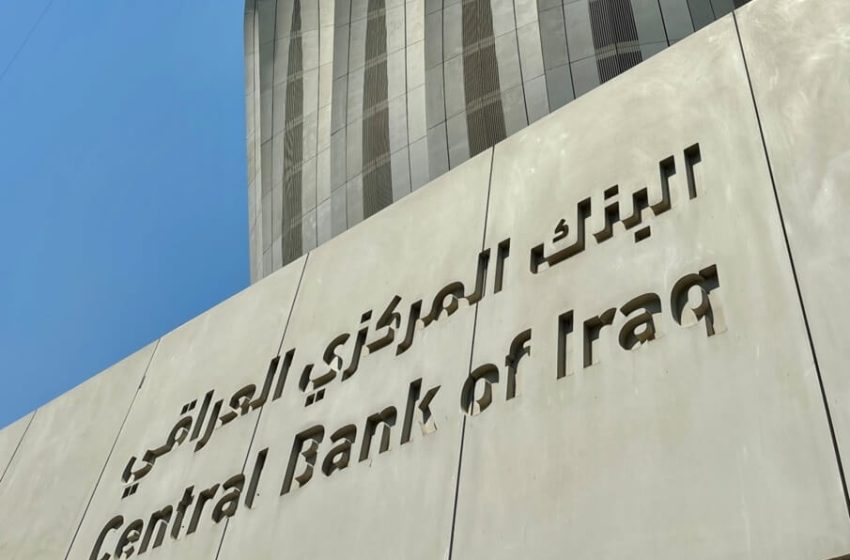
In a long-awaited development that followed intensive behind-the-scenes negotiations in Washington, D.C., the U.S. Department of the Treasury announced on 22 July the reinstatement of seven Iraqi banks to international correspondent banking channels.
From the government's perspective, the decision is being viewed as a significant boost to Iraq's economy. The return of these banks to U.S. dollar transactions, after a prolonged period of restrictions, is expected to ease liquidity shortages and help reduce exchange-rate volatility that has placed increasing pressure on both the domestic market and Iraqi consumers.
However, beyond the optimism reflected in official statements, sentiment on the ground tells a more cautious story. In Baghdad's Al-Kifah and Al-Harithiya currency exchanges, as well as in the bustling commercial district of Al-Shorja, many traders remain skeptical about whether the seven reinstated banks—regardless of their financial capacity—will be able to meet Iraq's enormous daily demand for U.S. dollars in an economy that remains heavily dependent on imports.
Market realities suggest that the parallel currency market continues to play a dominant role in determining exchange rates. A substantial share of commercial transactions still takes place outside the Central Bank of Iraq's official electronic platform, maintaining strong demand for physical U.S. dollar cash and leaving pricing largely influenced by market speculation rather than official policy.
From a financial technology and modern economic perspective, many analysts argue that this limited reopening may prove to be little more than a temporary measure to calm market sentiment unless it is accompanied by deeper structural reforms. Iraq's challenge has never been solely the availability of dollar-selling channels; it is fundamentally a crisis of confidence and institutional capacity.
Restoring trust in the banking sector will require comprehensive reforms, particularly measures that encourage businesses to rely on formal financial institutions. Equally important is accelerating the adoption of electronic payments and expanding the country's digital financial infrastructure. Greater payment digitalization would reduce dependence on physical cash, strengthen financial transparency, and gradually lessen the economy's reliance on paper U.S. dollars.
The key question now is whether these seven banks will be able to weaken the influence of currency speculators and reinforce the state's role in the foreign exchange market—or whether the "street dollar" will continue to dominate beyond the reach of regulators and the U.S. Treasury.