

Bank Impersonation: Why Brand Protection Has Become Essential in Iraq
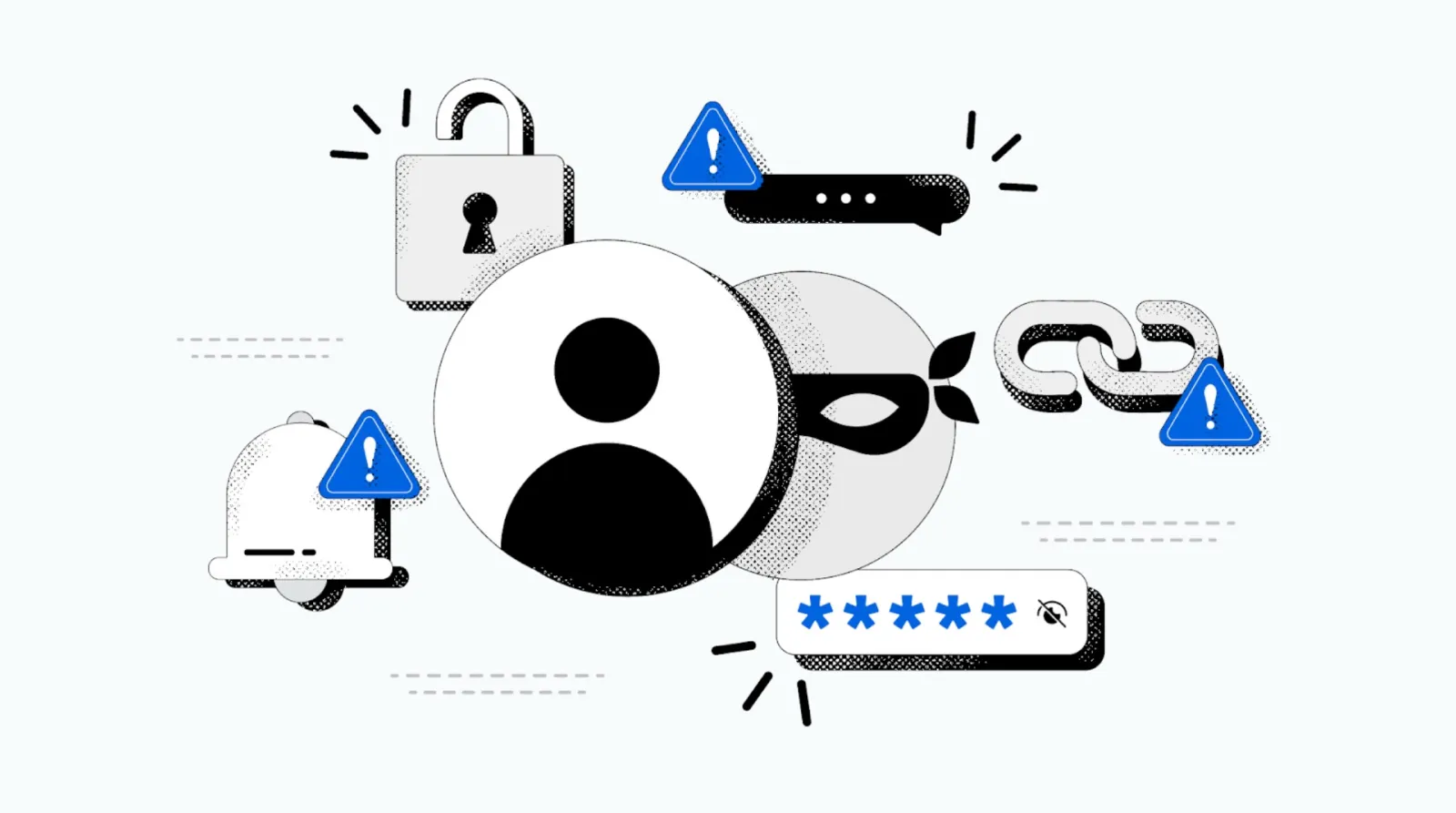
A message claiming that your bank card needs to be updated, an advertisement promising a quick loan, or a social media page displaying your bank’s name and logo. At first glance, everything appears official. But behind that familiar identity could be a scammer waiting for just one piece of information to exploit.
This is where the problem begins: customers trust the names they recognize, often without realizing that the person contacting them has no connection to their bank.
According to data provided for this article by Al-Tafawdh, the company detected more than 70,000 fraudulent activities in the Iraqi market during 2025–2026 and handled over 45,000 cases. These figures reflect the company's own operations and do not represent the total number of fraud cases across Iraq. The measures taken vary depending on the circumstances, and not every case resulted in the removal of a fraudulent account.
The importance of such monitoring continues to grow alongside the expansion of electronic payments. According to data from the Iraqi Private Banks League, the value of bank card payments in Iraq reached IQD 21.2 trillion during the first half of 2026, representing a 45.2% increase compared with the same period of the previous year.
As more financial transactions move to smartphones, customers need clear ways to identify legitimate services and verify who is actually contacting them.
A Fake Page Can Damage a Real Bank’s Reputation
The problem extends beyond the theft of personal or financial information.
A customer who falls victim to fraud through a page impersonating their bank may lose trust in the bank itself, even if the institution's systems remain secure and have never been compromised.
On August 30, 2026, the Iraqi Ministry of Interior's Cybersecurity Directorate warned against fraudulent links impersonating official institutions and service providers to steal personal and banking information.
This highlights why effective protection must extend beyond official banking applications and websites. Fraudsters often operate through external platforms, exploiting familiar names and trusted identities to deceive customers.
This is where Al-Tafawdh operates in Iraq, specializing in brand protection and online reputation management.
The company's work begins with identifying accounts, social media pages, and websites that impersonate its clients. It then documents violations and follows up with relevant platforms and authorities to pursue the removal of fraudulent content or the shutdown of impersonating accounts, helping prevent further attempts to deceive customers.
Sharing Threat Intelligence Helps Detect Digital Fraud
According to information provided by the company, Al-Tafawdh is an accredited member of Meta ThreatExchange, a platform designed to facilitate the exchange of digital threat intelligence among participating organizations.
The platform enables participants to share information about phishing pages, malware, and other digital threats, helping organizations identify and respond to potential risks.
However, the removal of fraudulent accounts and content remains subject to the policies and procedures of the relevant platforms.
Al-Tafawdh summarizes its approach through its slogan:
“We share digital threat intelligence and detect fraud and brand impersonation.”
Monitoring does not end when a fraudulent page is discovered. The next steps involve addressing the violation, notifying the affected organization, and helping it communicate accurate information to its customers.
Customers Need Clear Answers
Protecting the reputation of banks and electronic payment companies also means ensuring that customers know where to submit complaints and can receive reliable answers when problems arise.
A legitimate complaint requires a solution. An impersonating page requires investigation and follow-up. A misleading rumor requires a clear and accurate response.
This is why brand protection and digital reputation management are closely connected to the everyday customer experience.
When official communication channels are clearly identified, information is easily accessible, and response times are faster, customers are better equipped to distinguish legitimate financial institutions from fraudsters.
Ultimately, customers choose to deal with a bank because they trust its name.
Protecting that trust requires continuous monitoring and proactive action, ensuring that a reputation built over many years does not become a tool for criminals seeking to exploit the very customers who rely on it.