

Are Electronic Payment Service Fees in Iraq Higher Than They Should Be?
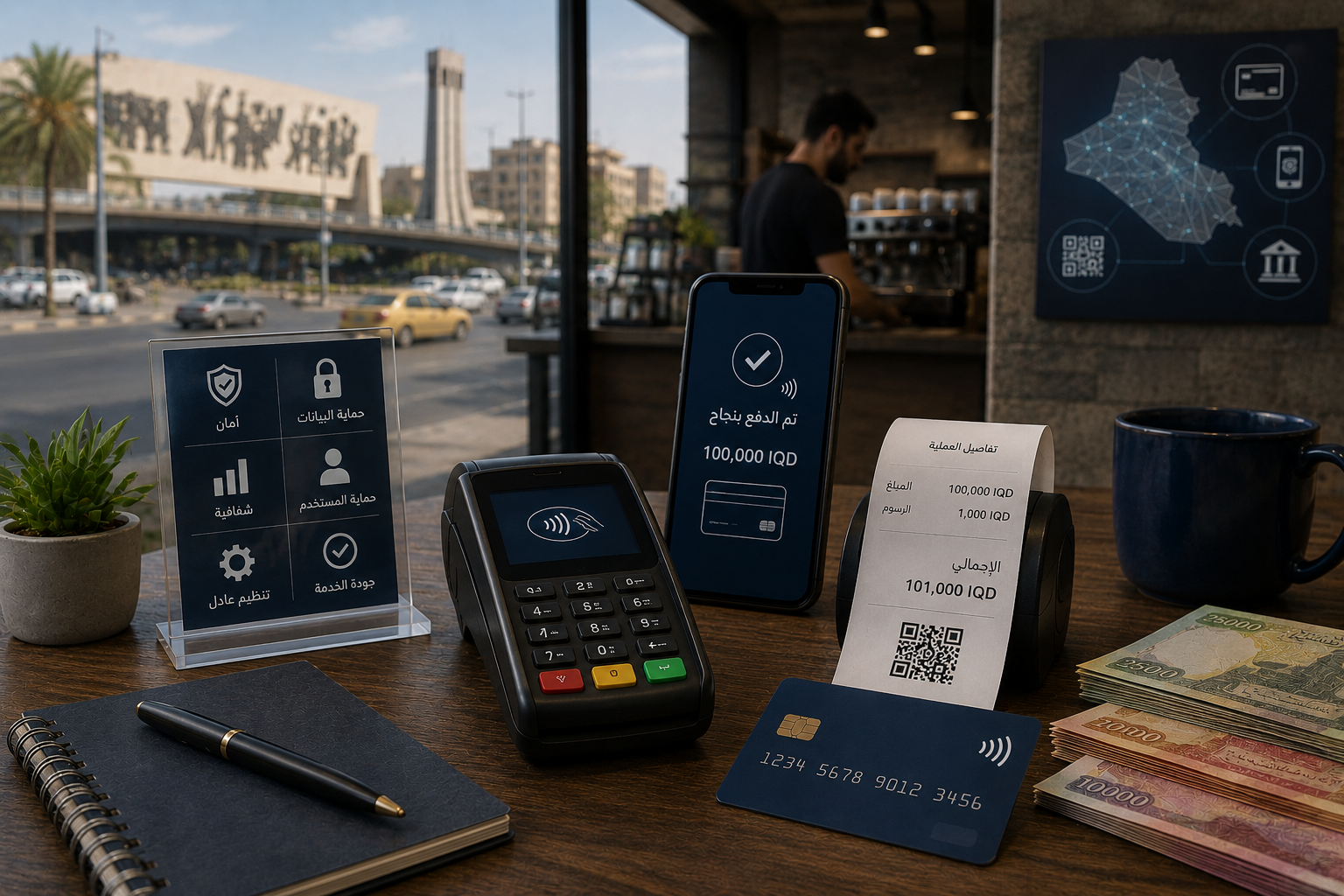
As electronic payment services continue to expand across Iraq, the debate over transaction fees continues to resurface
Some argue that current fees are reasonable given the services being provided, while others believe they remain a significant barrier to broader adoption of digital payments
From the user's perspective, any additional fee represents an added cost, especially when transactions are carried out regularly For merchants and small business owners, transaction fees can become an important factor when calculating profitability and operating expenses
On the other hand, payment companies point out that operating digital payment systems requires substantial investment in infrastructure, cybersecurity, technical support, and technology platforms—costs that are often invisible to end users
However, the issue is not only the size of the fees but also their transparency
Users are generally willing to accept fees when they clearly understand their purpose and value Concerns arise when charges appear unclear, inconsistent, or vary significantly between services
Iraq’s digital payments market is still in a growth phase, and excessively high fees could encourage some users and merchants to revert to cash transactions, undermining broader goals related to digital transformation and financial inclusion
The real challenge is therefore finding the right balance between maintaining sustainable business models for payment providers and encouraging greater adoption of electronic payments among consumers and businesses