
5 Global Trends from Money20/20 Europe 2026 Worth Watching in Iraq
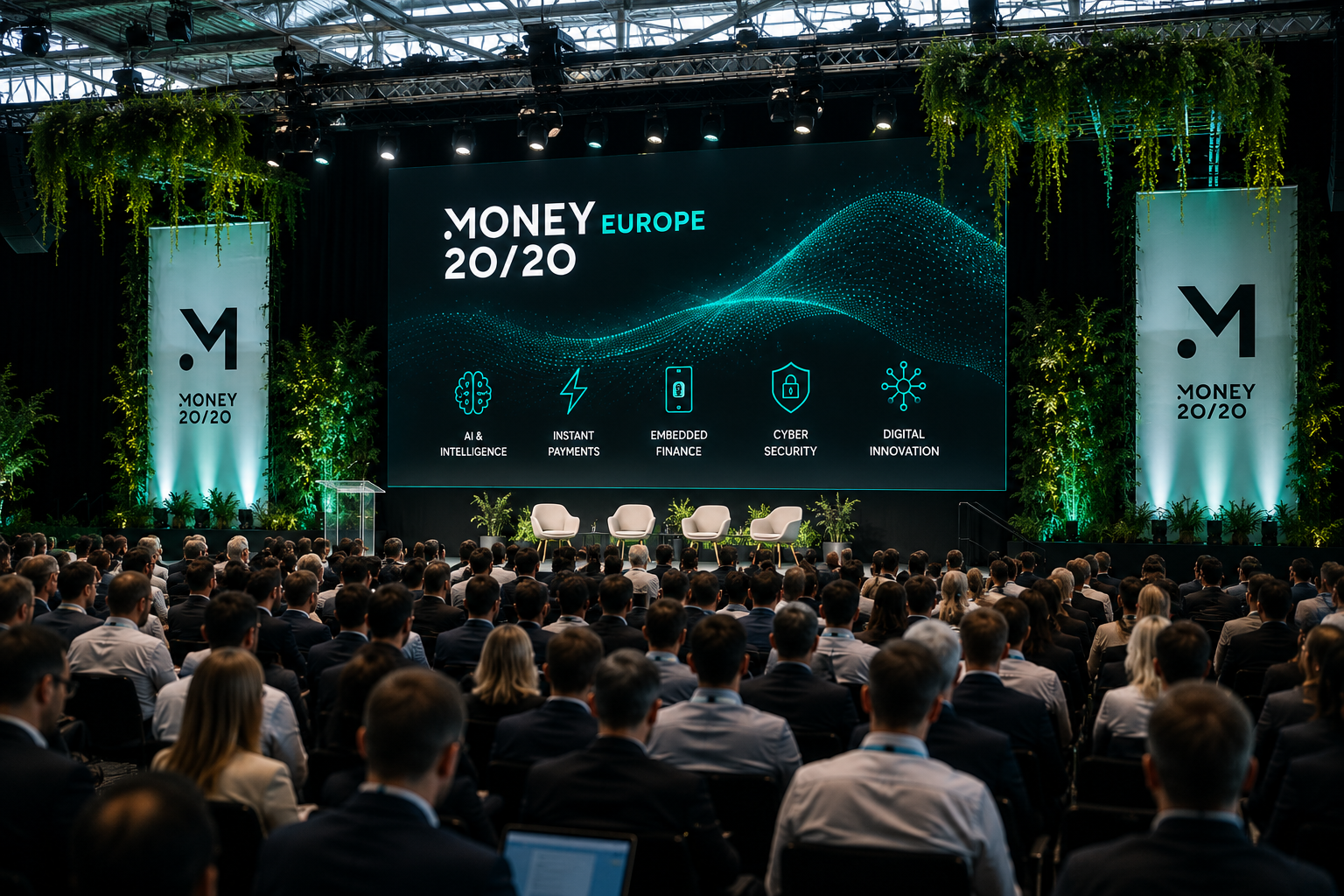
Money20/20 Europe 2026 held in Amsterdam from June 2–4 2026 brought together leading banks fintech companies payment providers investors and industry leaders to discuss the future of financial services in an era shaped by artificial intelligence and digital payments.
As one of the world's most influential fintech events the conference serves as a platform for exploring the trends that are redefining financial services globally.
While many discussions focused on European and international markets several themes that gained significant attention at the event are also highly relevant for Iraq’s growing fintech sector as it continues its digital transformation journey.
1. Artificial Intelligence Becomes a Core Financial Tool
Artificial intelligence was one of the dominant topics throughout the conference.
Financial institutions and technology companies highlighted its growing role in:
- Fraud detection
- Customer behavior analysis
- Enhancing user experiences
- Automating financial operations
- Credit risk assessment
Global trends indicate that AI is no longer viewed as a future technology but as an essential component of modern financial services and operational efficiency.
2. The Rise of Agentic Finance
One of the most discussed concepts at the event was Agentic Finance a model that relies on intelligent systems capable of performing certain financial tasks on behalf of users.
Potential applications include:
- Managing recurring payments
- Selecting optimal payment methods
- Organizing subscriptions and digital services
- Providing personalized financial recommendations based on user behavior and preferences
Although still in its early stages Agentic Finance offers a glimpse into the direction the global financial industry may take in the coming years.
3. Instant Payments Are Becoming the Global Standard
Several sessions emphasized that real-time payments are rapidly becoming a key expectation for modern financial systems.
Consumers and businesses increasingly expect transfers and payments to be completed within seconds rather than hours or days.
As a result many markets are investing heavily in real-time payment infrastructure to meet these expectations.
Industry experts view instant payments as one of the primary drivers of future digital financial services.
4. Apps Are Evolving into Integrated Financial Platforms
Another major trend highlighted during the conference was the growing integration of financial services into digital applications.
Many platforms are no longer limited to their core services. Instead they are increasingly incorporating:
- Digital wallets
- Embedded payment solutions
- Buy Now Pay Later (BNPL) services
- Virtual cards
- Other financial tools
This shift reflects the gradual convergence of fintech companies banks and digital platforms as they compete to create more seamless and integrated user experiences.
5. Cybersecurity and Fraud Prevention Remain Top Priorities
As digital services and AI adoption continue to expand cybersecurity challenges are becoming more complex.
Conference discussions focused on issues such as:
- Digital identity theft
- Phishing attacks
- Fraudulent communications
- The use of AI-powered tools to create more sophisticated fraud schemes
Consequently financial institutions worldwide are increasing investments in cybersecurity systems fraud prevention technologies and user awareness initiatives to maintain customer trust.
What Does This Mean for Iraq?
Although Iraq remains at a different stage of development compared to many advanced financial markets the trends highlighted at Money20/20 Europe 2026 provide valuable insight into the future direction of the global fintech industry.
Artificial intelligence instant payments embedded finance and cybersecurity are no longer distant concepts—they are becoming central pillars of financial sector development worldwide.
As Iraq’s digital financial ecosystem continues to expand monitoring these global trends can help industry stakeholders better understand emerging opportunities and challenges that may shape the local fintech market in the years ahead.